
B Licence - Car
Theory
6 theory modules for the exam, about 48 minutes of reading, in the order we recommend.
0 of 6 modules read
Start with module 1: Traffic rules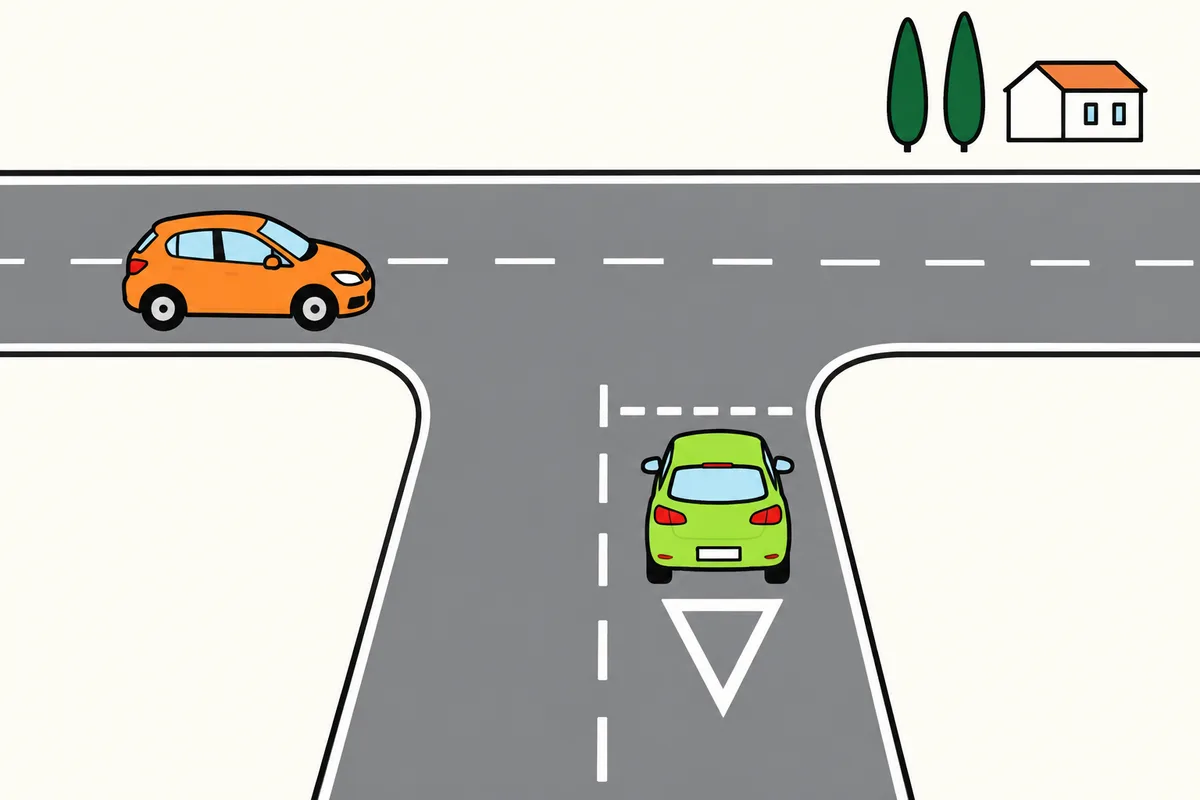 Module 1Traffic rulesCore topic for licence B: general rules of circulation, priority, speed, road position, manoeuvres, essential documentation and the punishable conduct most often asked about in the exam. Study it as practical decisions: who goes first, where you position yourself, when you must give way and how you reduce risk.8 min · RecommendedRead
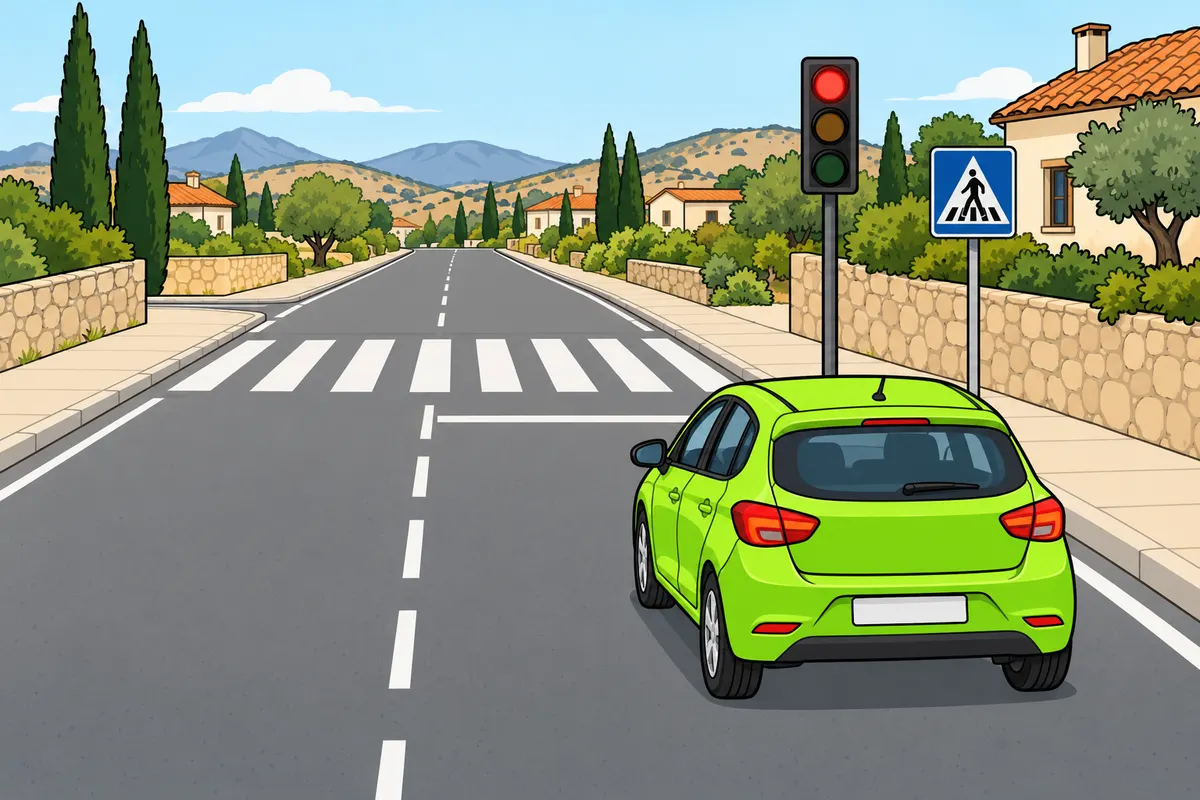 Module 2SignsMaster the hierarchy between officers, temporary signage, traffic lights, vertical signs and road markings. In the exam you must recognise which order prevails, what conduct each sign requires, and when a temporary indication changes what you would normally expect to see on the road.8 minRead
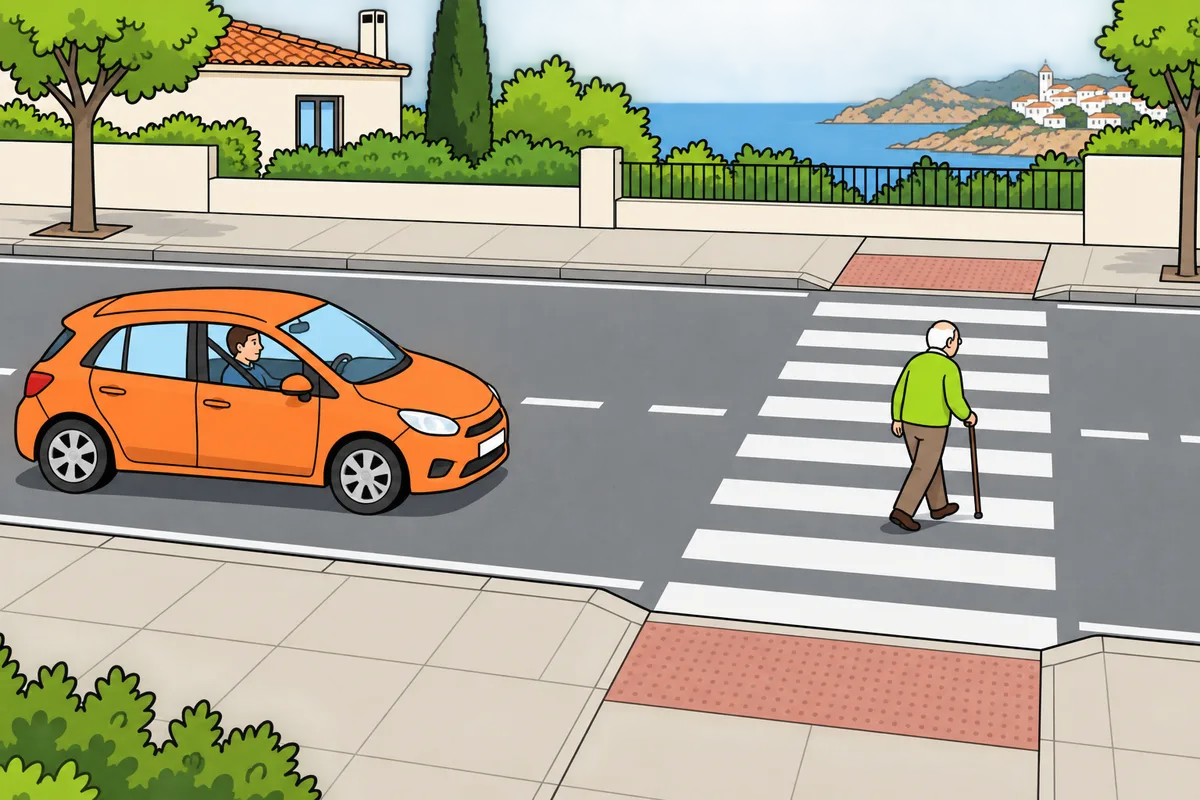 Module 3Vulnerable road usersLicence B requires you to drive with preventive priority towards pedestrians, cyclists, motorcyclists and road users with less physical protection. A small driver error can have serious consequences, so the exam values anticipation, distance, moderate speed and reading the surroundings.8 minRead
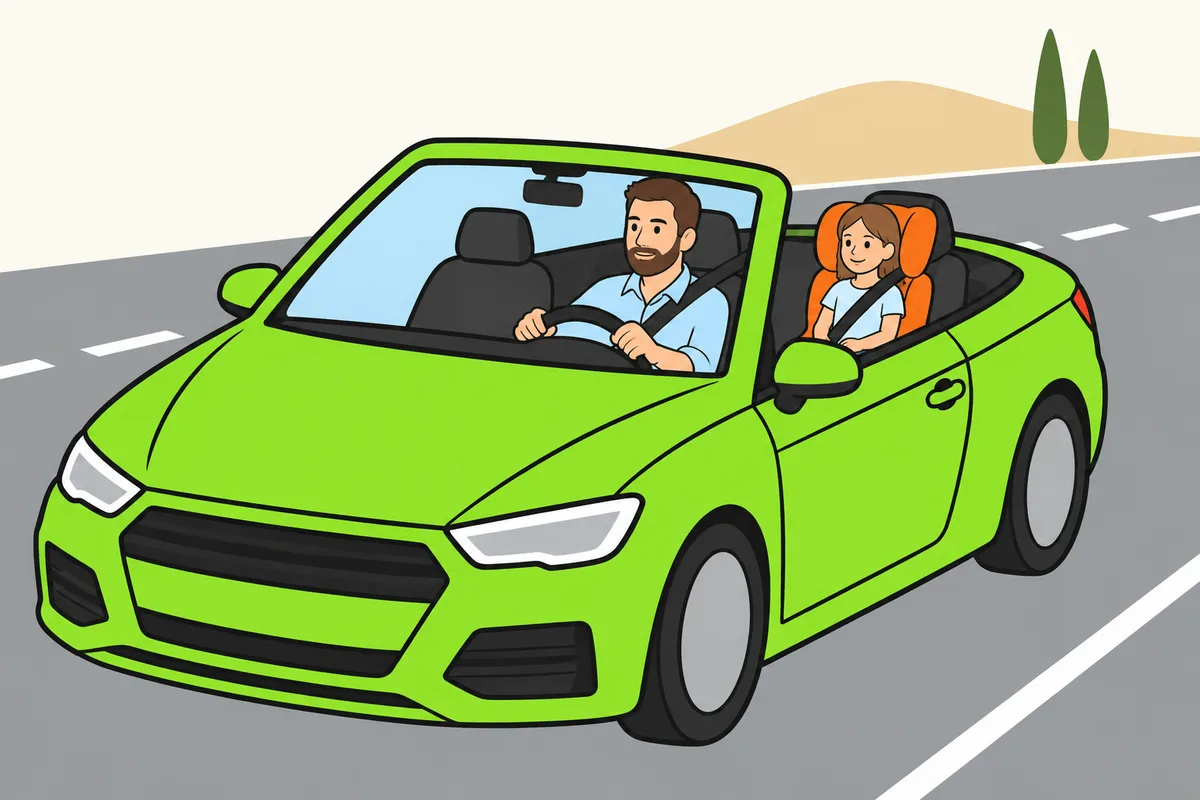 Module 4Road safetyRoad safety combines prevention, occupant protection and the correct reaction to an emergency. The theory exam usually mixes active safety, passive safety and the PAS response within the same question, so always study cause, consequence and safe conduct together.8 minRead
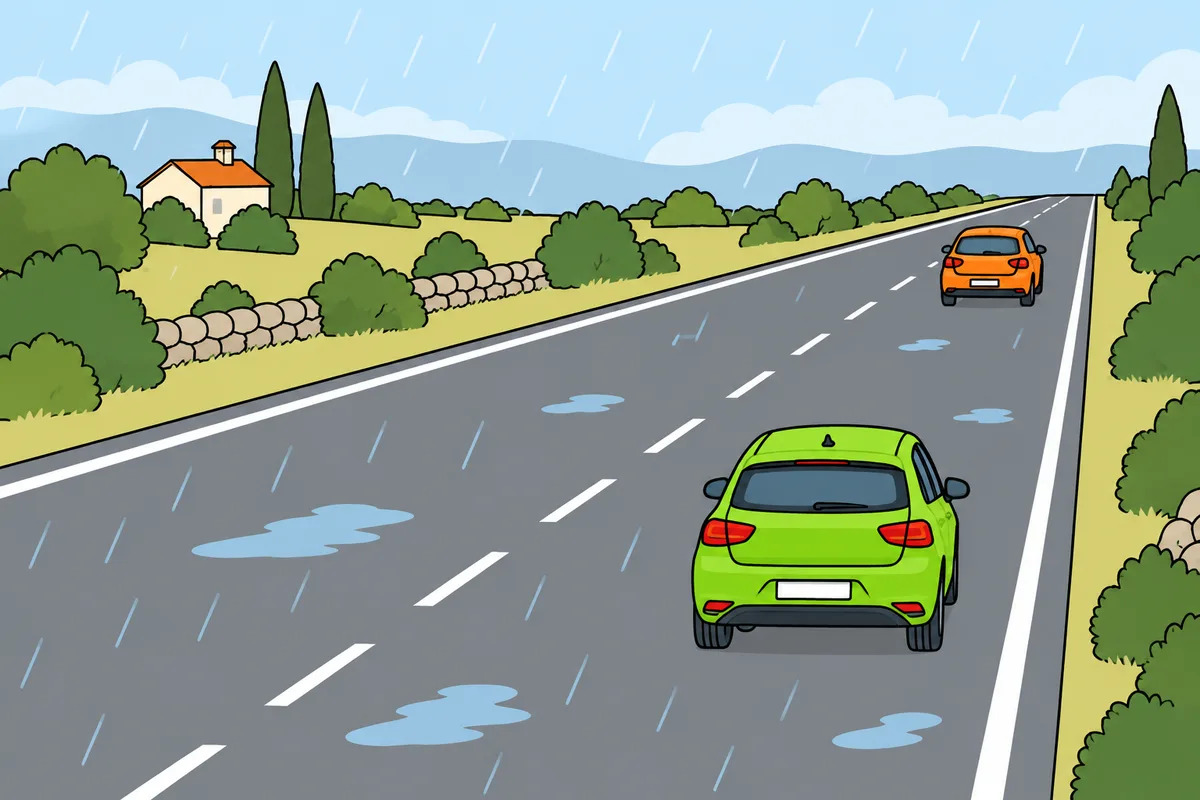 Module 5Risk factorsRisk factors are studied as a real cause of error: alcohol, drugs, speed, distraction, fatigue, adverse weather and overconfidence. In passenger cars on roads open to general traffic their effects tend to multiply, which is why the exam insists on anticipating and correcting before you lose control.8 minRead
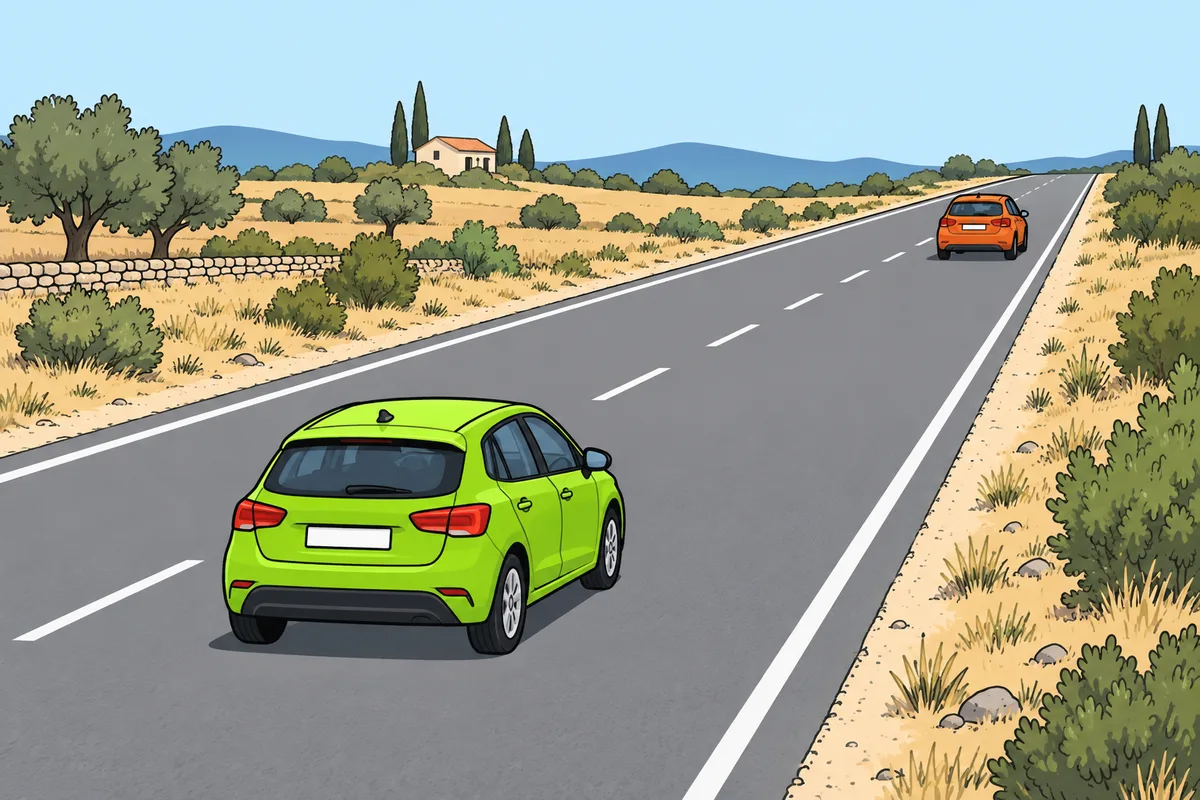 Module 6Driving and the environmentEfficient, environmentally sound driving reduces fuel consumption, emissions, wear and risk. The DGT studies it as a way of driving better, not just as a financial saving, and it must always be compatible with safety and the rules in force.8 minRead