
LVA Licence - Agricultural Vehicle
Theory
16 theory modules for the exam, about 8 hours of reading, in the order we recommend.
0 of 16 modules read
Start with module 1: Road and agricultural vehicle definitions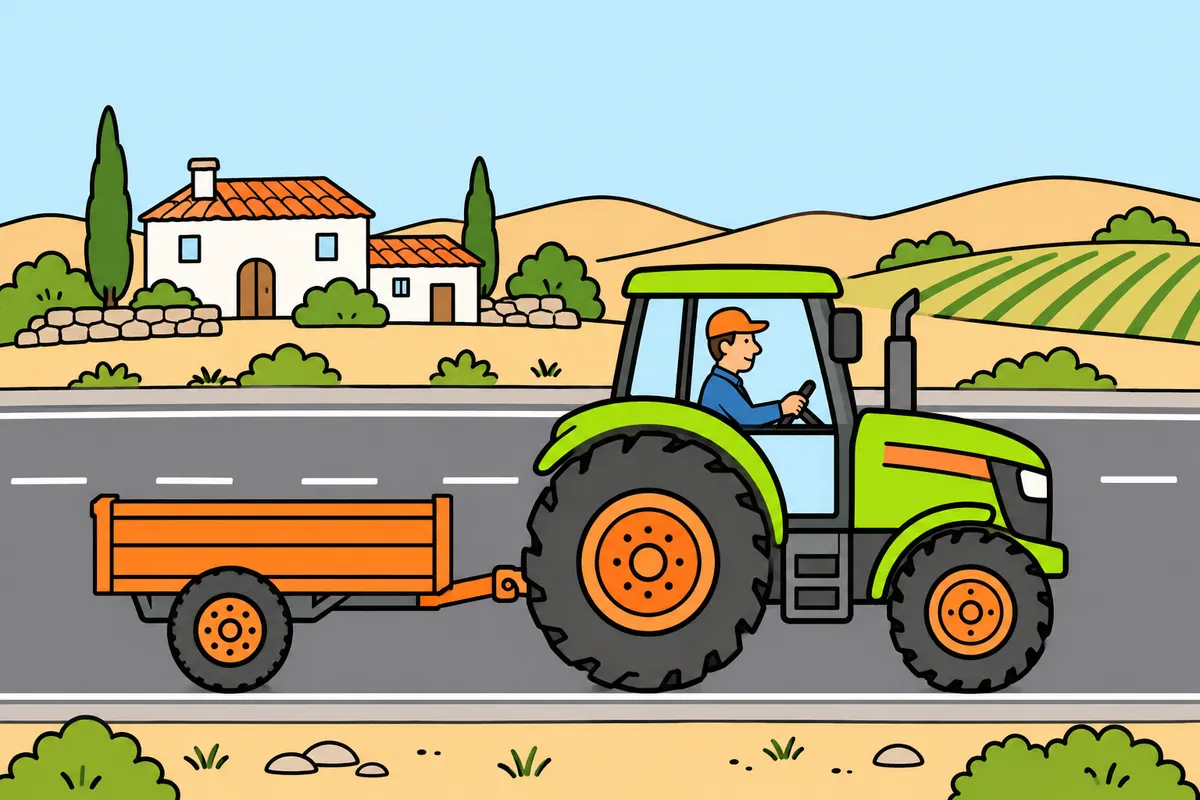 Module 1Road and agricultural vehicle definitionsYou learn to distinguish road components and classes, agricultural vehicles and the categories outside the scope of LVA. You interpret masses, identify the driver and registered keeper, and distinguish types of immobilisation and overtaking situations so that you can answer accurately in the exam.32 min · RecommendedRead
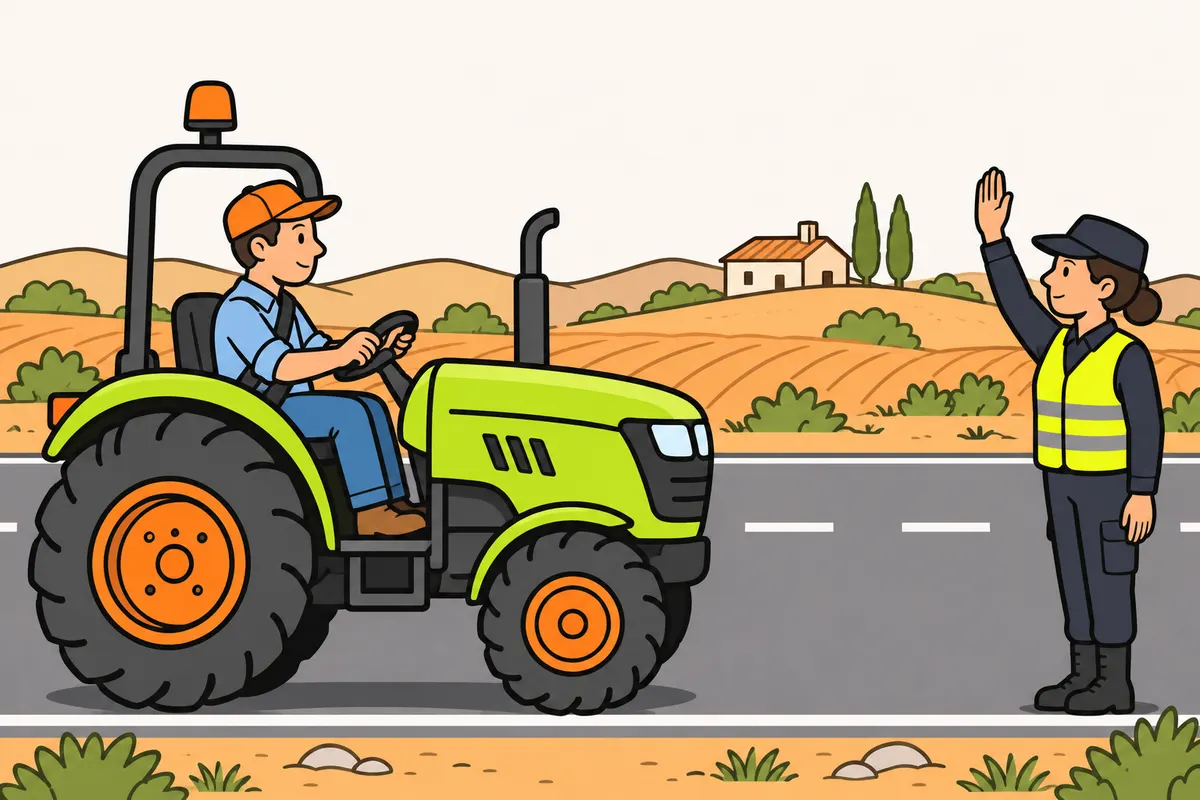 Module 2LVA licence, tests and obeying signsYou learn which vehicles you can drive with LVA, the entry requirements and the rules for tests, attempts and time limits. You also learn to identify the signs and signals that apply to you, resolve conflicts between them and obey officers’ instructions when driving your agricultural vehicle.35 minRead
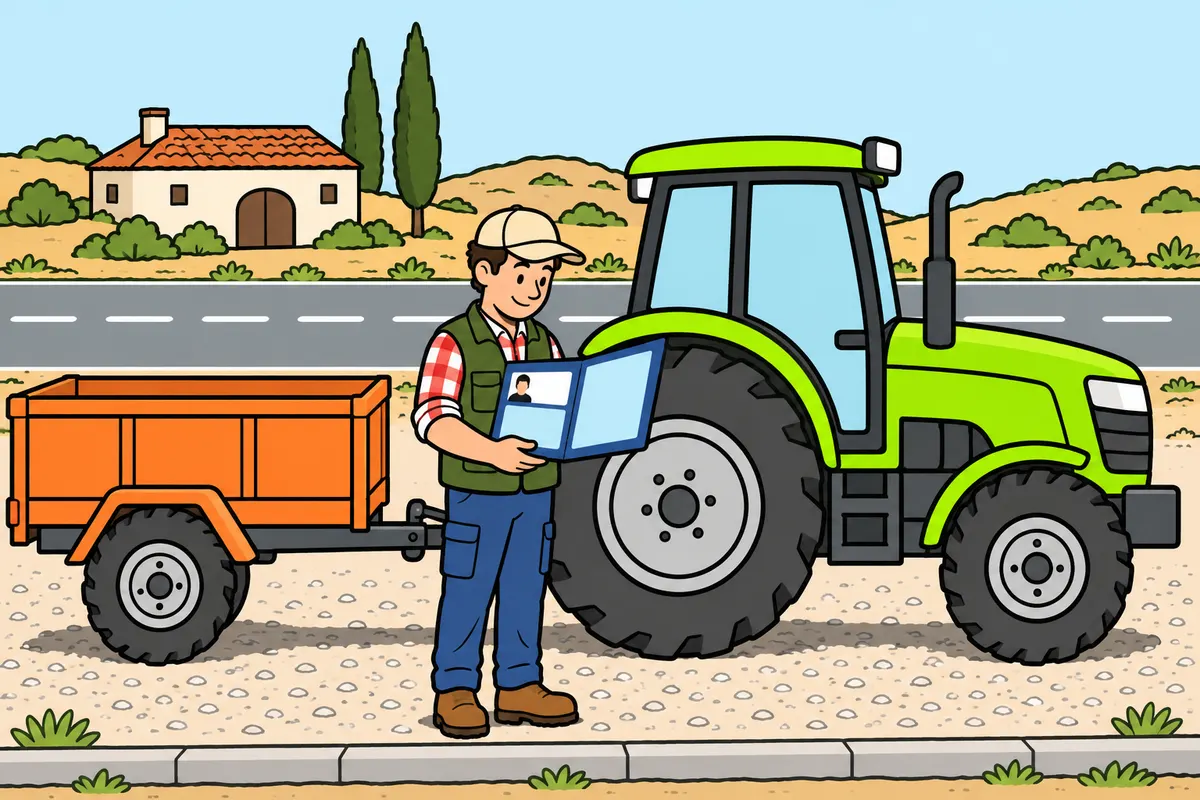 Module 3Driver and agricultural vehicle documentationYou learn to check your LVA licence, its restrictions and renewal, and to distinguish between the documents for the tractor and its trailer. You master compulsory insurance, ITV (vehicle roadworthiness test) schedules for agricultural vehicles and the procedures for changes of ownership or address, loss or theft, so you can answer exam questions without applying passenger car documentation rules to a tractor.27 minRead
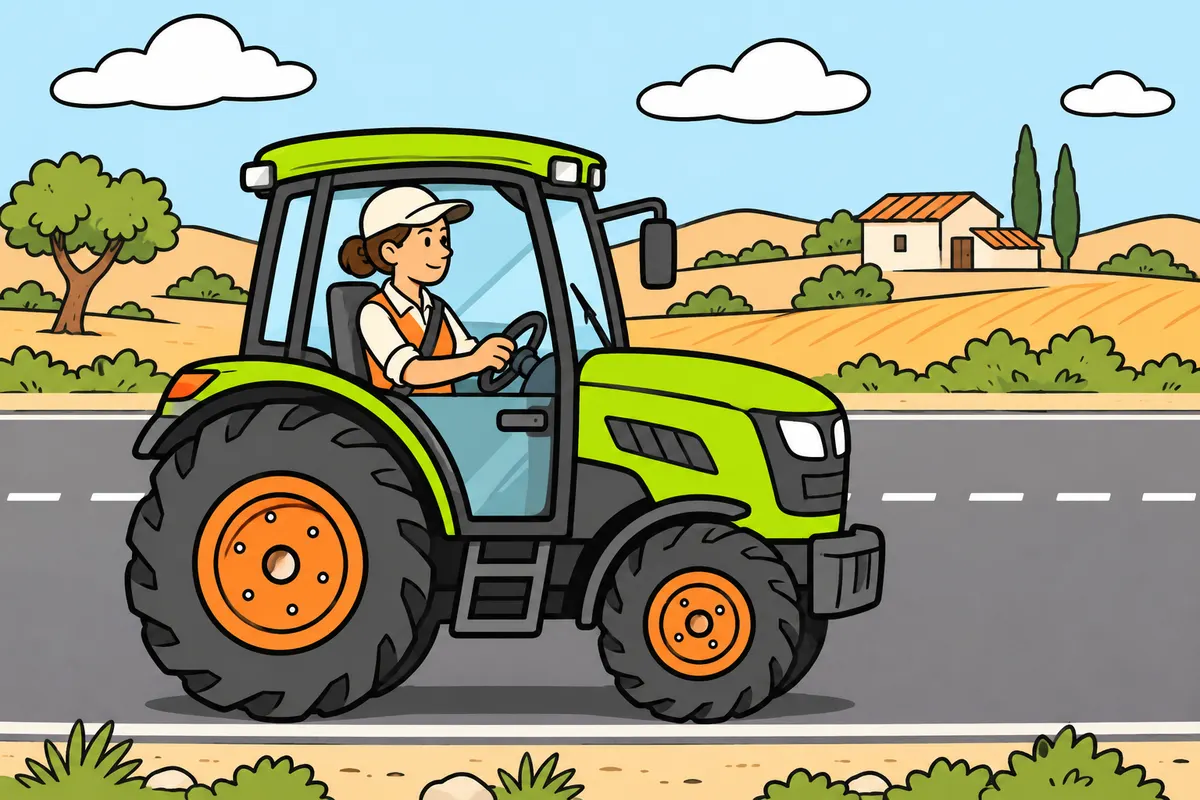 Module 4The LVA points-based licenceYou learn how points are allocated, lost and recovered on your LVA licence, and how you can reach the maximum of 15. You distinguish between deductions for offences, courses and waiting periods for driving an agricultural vehicle again after your licence loses its validity, with the figures you need for the exam.28 minRead
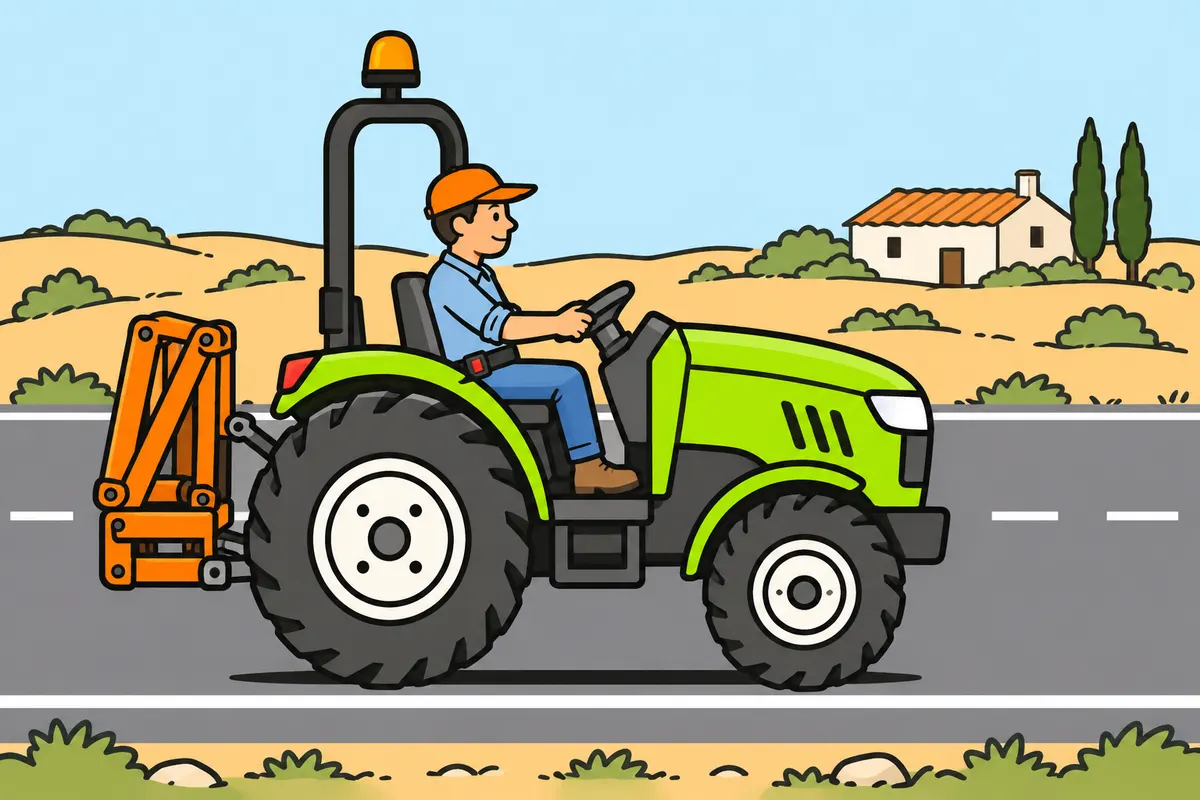 Module 5The agricultural vehicle and its equipmentYou learn to recognise the agricultural vehicles you can drive with LVA and check their limits, registration and ITV (vehicle roadworthiness test). You distinguish rollover protection, the seat belt, lighting and the V-2 warning light, and prepare implements and couplings to avoid the most common exam confusions.35 minRead
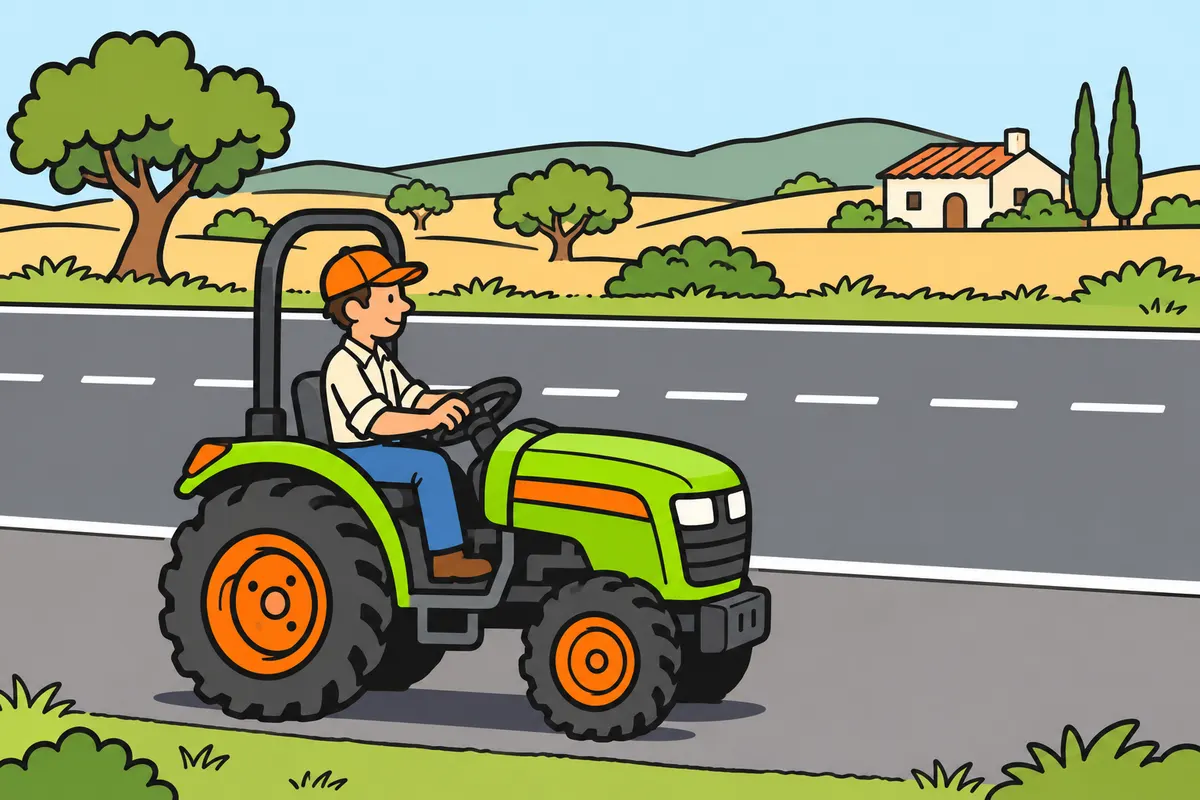 Module 6Road use with agricultural vehiclesYou learn to choose the carriageway, lane or arcén (hard shoulder) appropriate for your agricultural vehicle according to its MMA (maximum authorised mass) and the traffic arrangements on the road. You distinguish prohibited roads, special lanes, road markings and tunnel rules to deal with situations in the LVA test.32 minRead
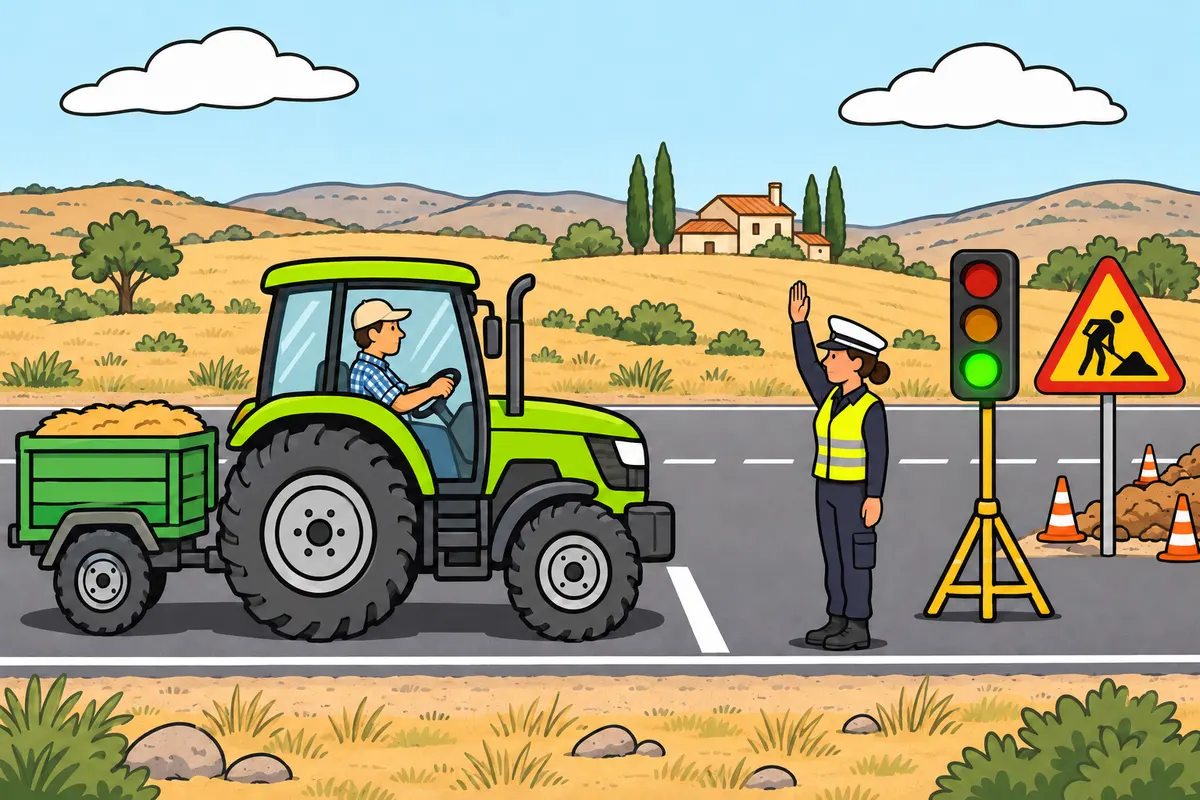 Module 7Signs and their hierarchyYou learn to interpret officers' signals, temporary signs, traffic lights, upright signs and road markings, and resolve conflicts between them. You recognise the most important prohibitions and restrictions for your tractor, its implements and its trailer, avoiding confusion between categories, masses and priorities in the LVA test.35 minRead
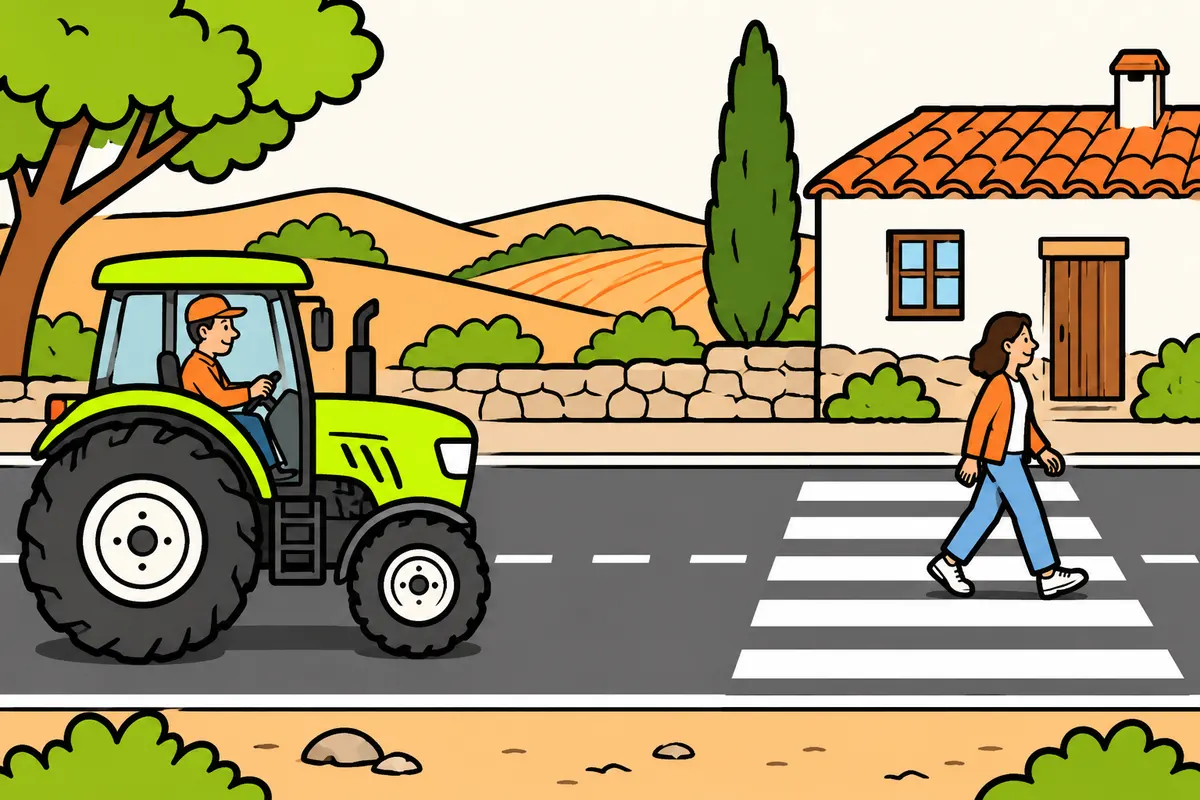 Module 8Priority of passageYou learn to decide who goes first at junctions, roundabouts, narrow sections and level crossings, and to respect pedestrians, cyclists and emergency vehicles. You practise the cases that change the answer in the LVA test, especially the difference between a tractor on its own and a combination with a trailer, and priority on gradients.30 minRead
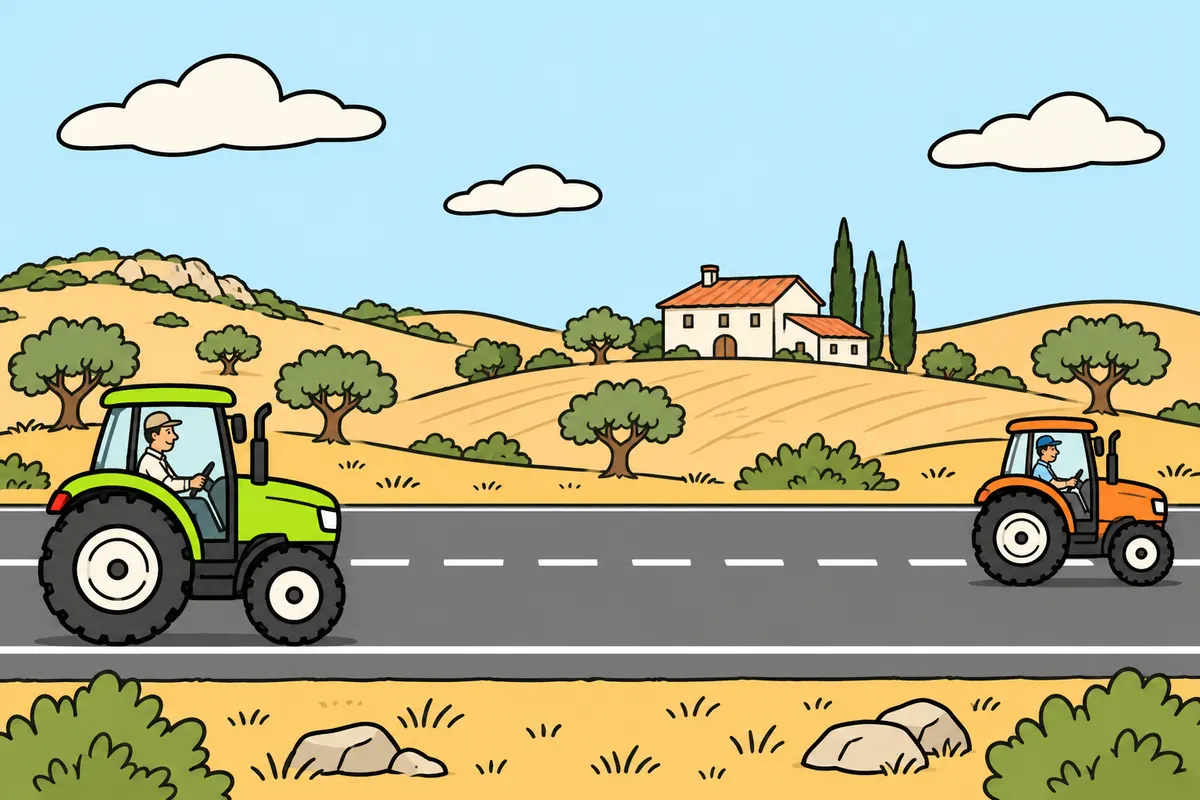 Module 9Speed and distances for agricultural vehiclesYou learn to combine the limits specific to your agricultural vehicle with those of each road and to choose a safe speed according to the load, visibility and grip. You distinguish reaction, braking and stopping distances, and answer questions about safe following distances, the 50-metre rule and distances in tunnels.30 minRead
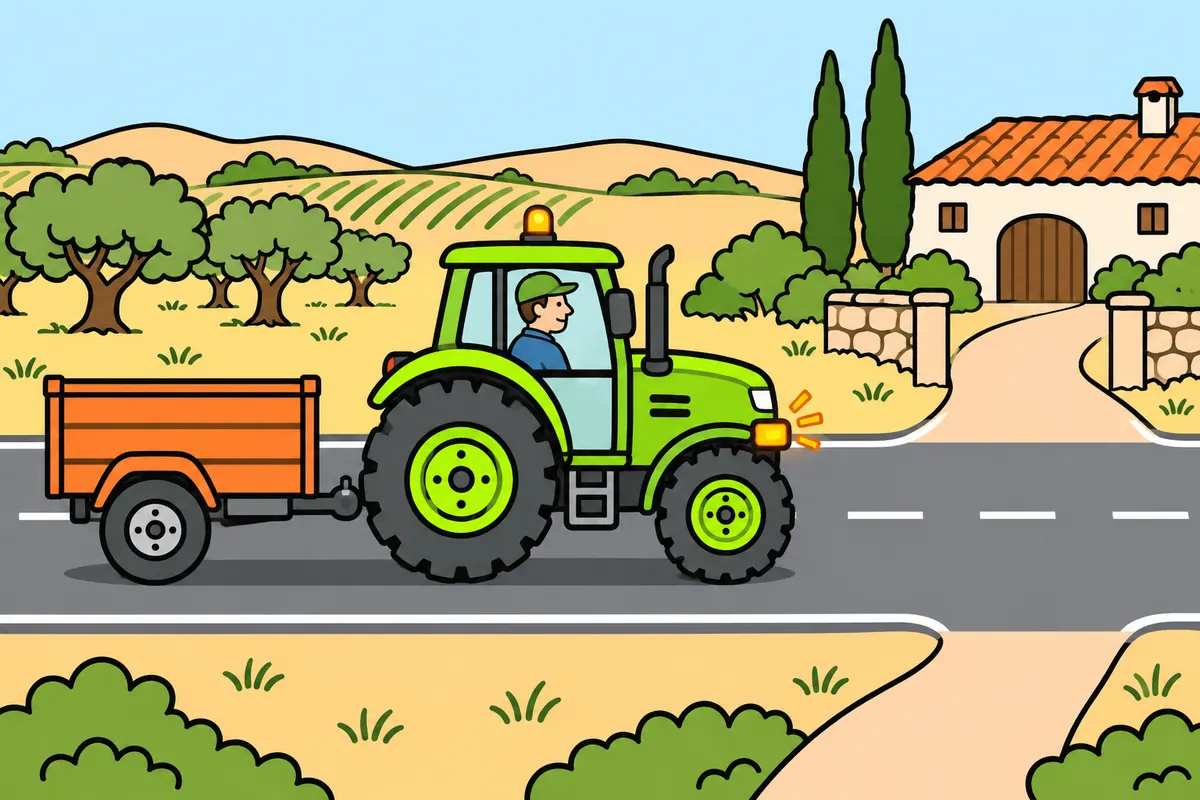 Module 10Manoeuvres with agricultural vehiclesYou learn to join traffic, change lanes, overtake, turn and reverse with an agricultural vehicle, taking its implements and trailers into account. You master the signals and conditions for stopping, parking and immobilising the combination safely, including the figures and exceptions that may appear in the LVA test.35 minRead
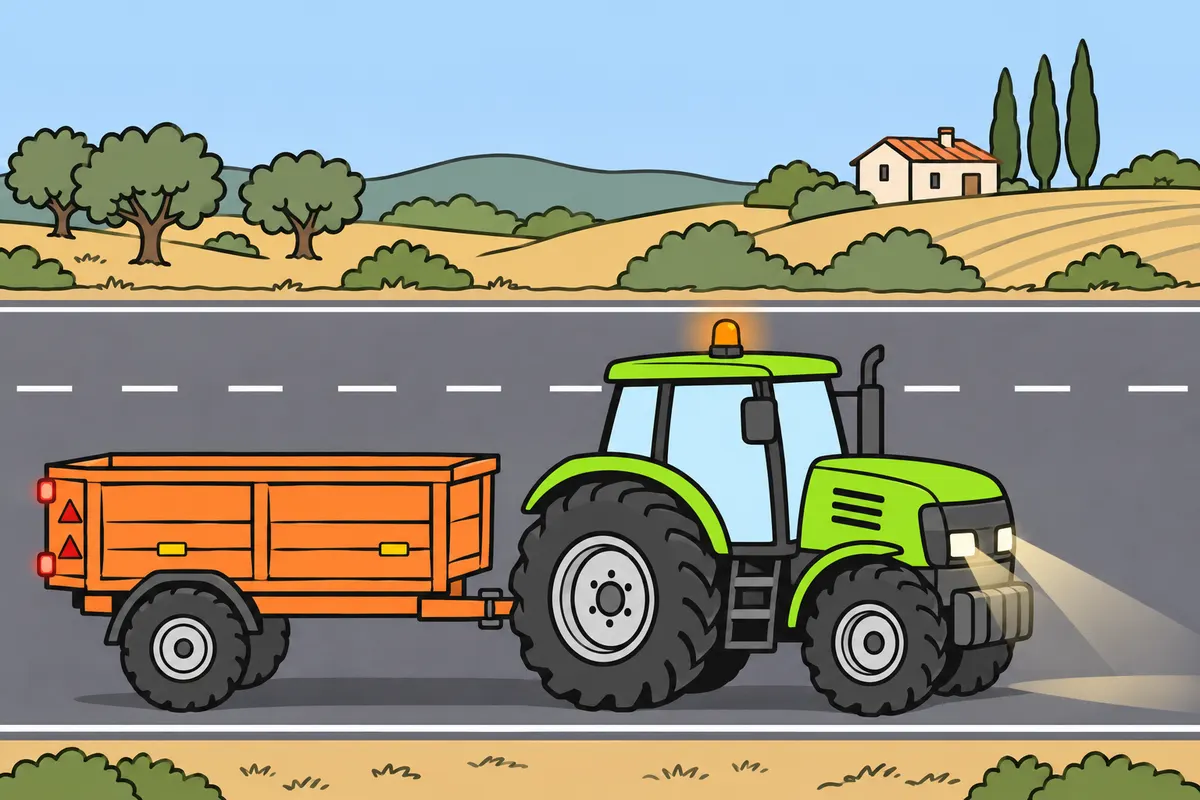 Module 11Agricultural lighting and signallingYou learn to choose the lighting for your tractor and combination according to the road, visibility and manoeuvres, while avoiding dazzle. You distinguish the equipment required for each agricultural vehicle and the signs and plates you must recognise in the exam, including V-2, V-16 and trailer signs and plates.32 minRead
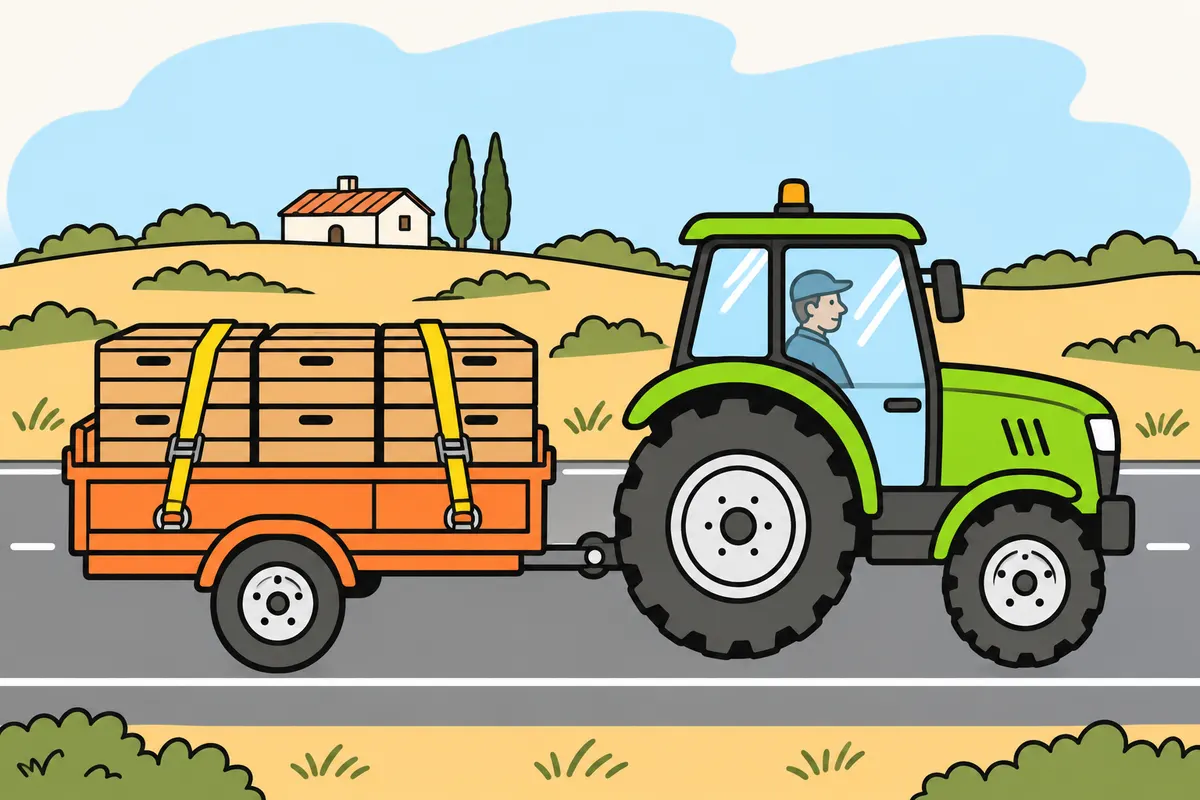 Module 12Loads, implements and agricultural trafficYou learn what you can transport with an agricultural vehicle combination and how to distribute and secure products, tools and implements. You prepare the transport position, masses, height, projections and their markings, and avoid leaving mud or materials on the road; references to other modules complete your decisions about driving on the road.24 minRead
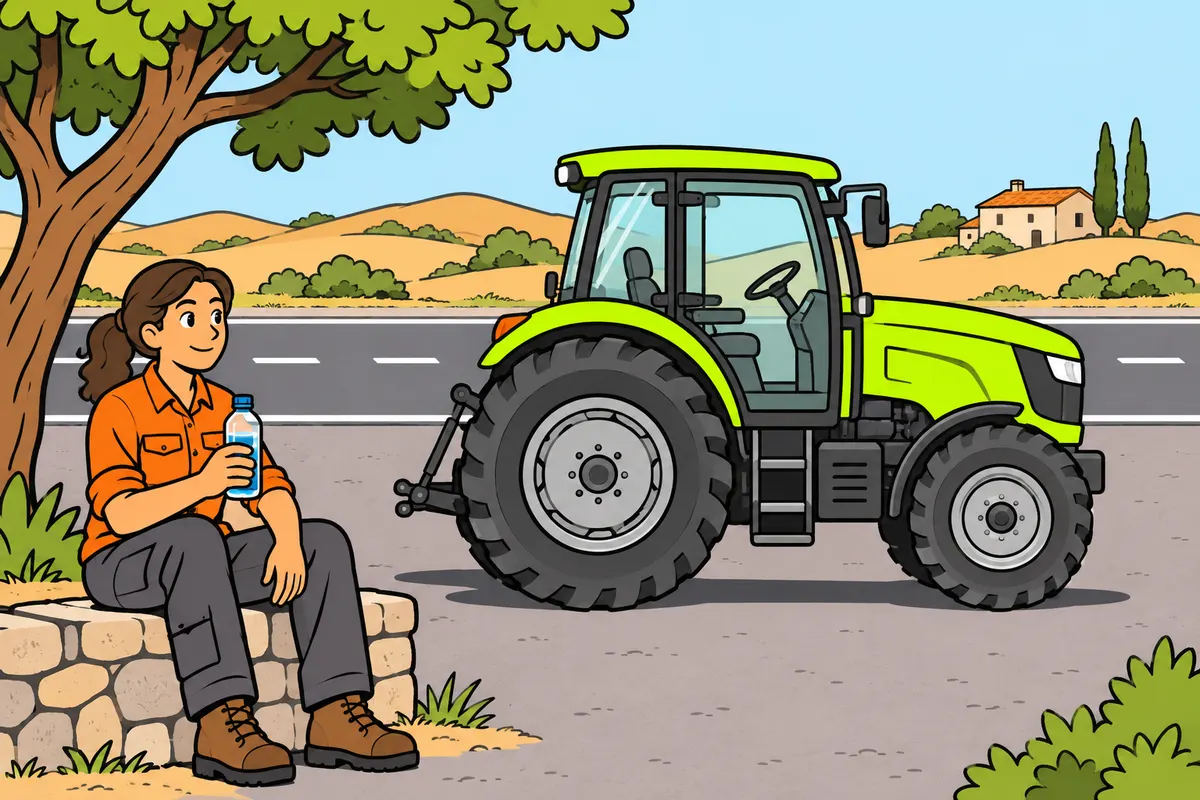 Module 13Driver condition and fitnessYou learn to recognise when you can drive an agricultural vehicle safely and to apply alcohol limits, testing requirements and restrictions on drugs and devices. You distinguish legal obligations from preventive measures concerning medicines, illness, fatigue, sleepiness, distractions and emotions to answer LVA exam questions.30 minRead
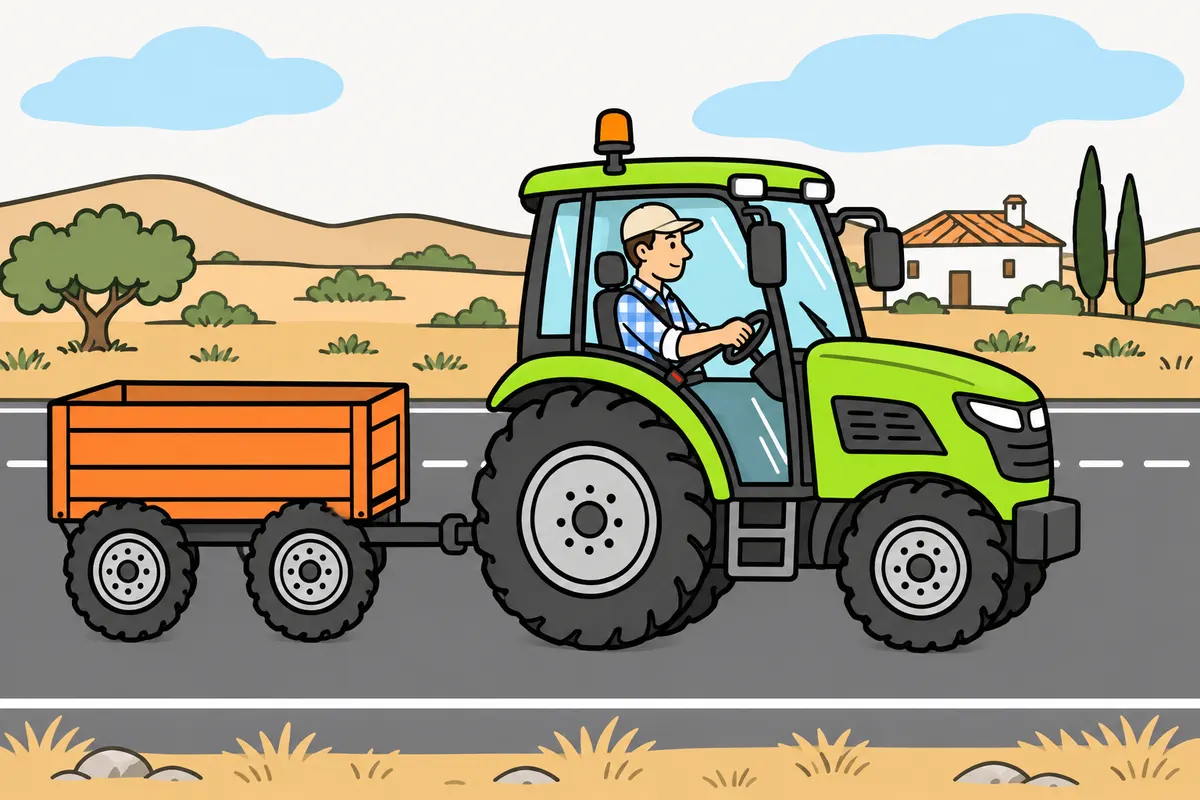 Module 14Driving the agricultural vehicle safelyYou learn to prepare the tractor and its combination, assess your fitness and anticipate the risks of overturning, entrapment and rear-end collisions. You practise measures for stability, visibility and sharing the road with other users; alcohol limits, manoeuvres and speed limits are covered in their specific modules.30 minRead
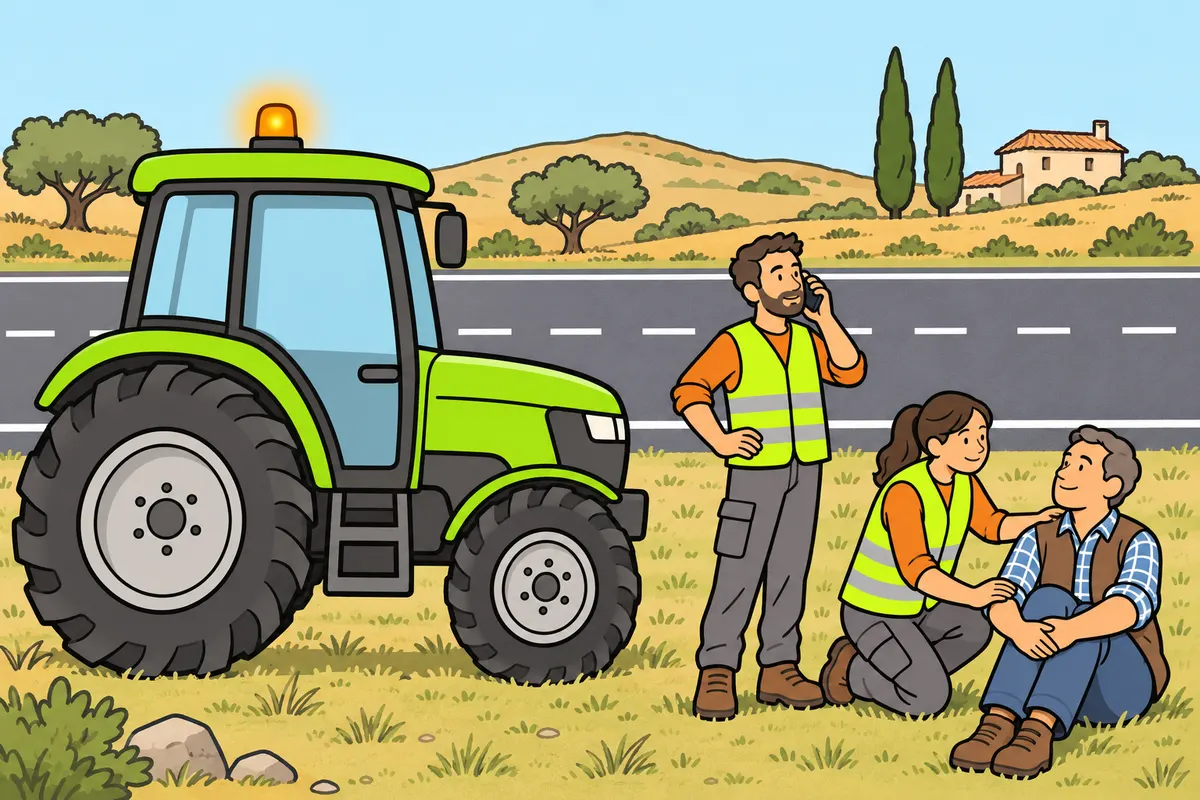 Module 15Accidents and breakdowns: protect and assistYou learn about the factors in agricultural vehicle accidents and how to secure the scene when a vehicle is immobilised, call 112 and assist without making injuries worse. You distinguish legal obligations from preventive guidance, including the particular rules on the V-16 and high-visibility vest for LVA. You can answer questions on PAS (protect, alert and assist), first aid, fire, tunnels and providing identification after an accident.30 minRead
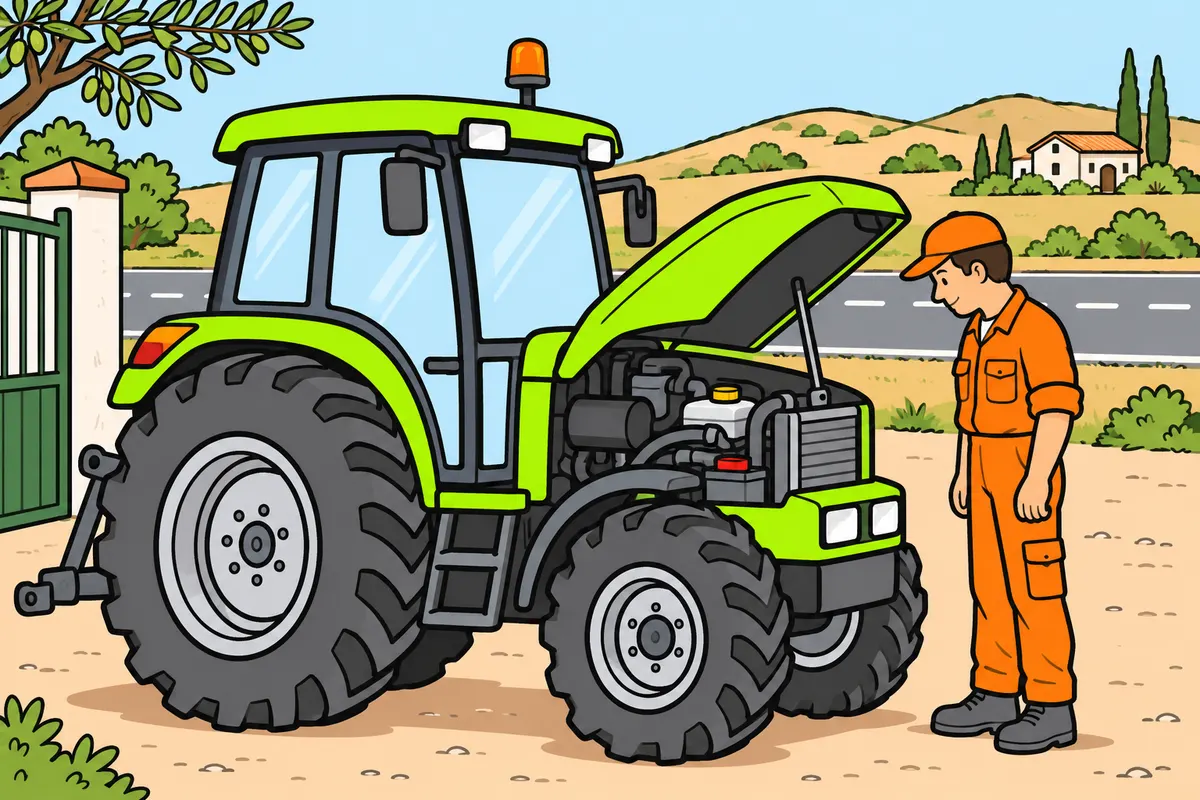 Module 16Agricultural mechanics and maintenanceYou learn how the main systems of an agricultural vehicle work, what you must check before setting off and how to recognise a fault that requires you to stop. You distinguish tractor maintenance from car maintenance and review the ITV (vehicle roadworthiness test) schedules and results that may appear in the exam.32 minRead