
C Licence - Truck
Theory
18 theory modules for the exam, about 10 hours of reading, in the order we recommend.
0 of 18 modules read
Start with module 1: Lorry licences and types of transport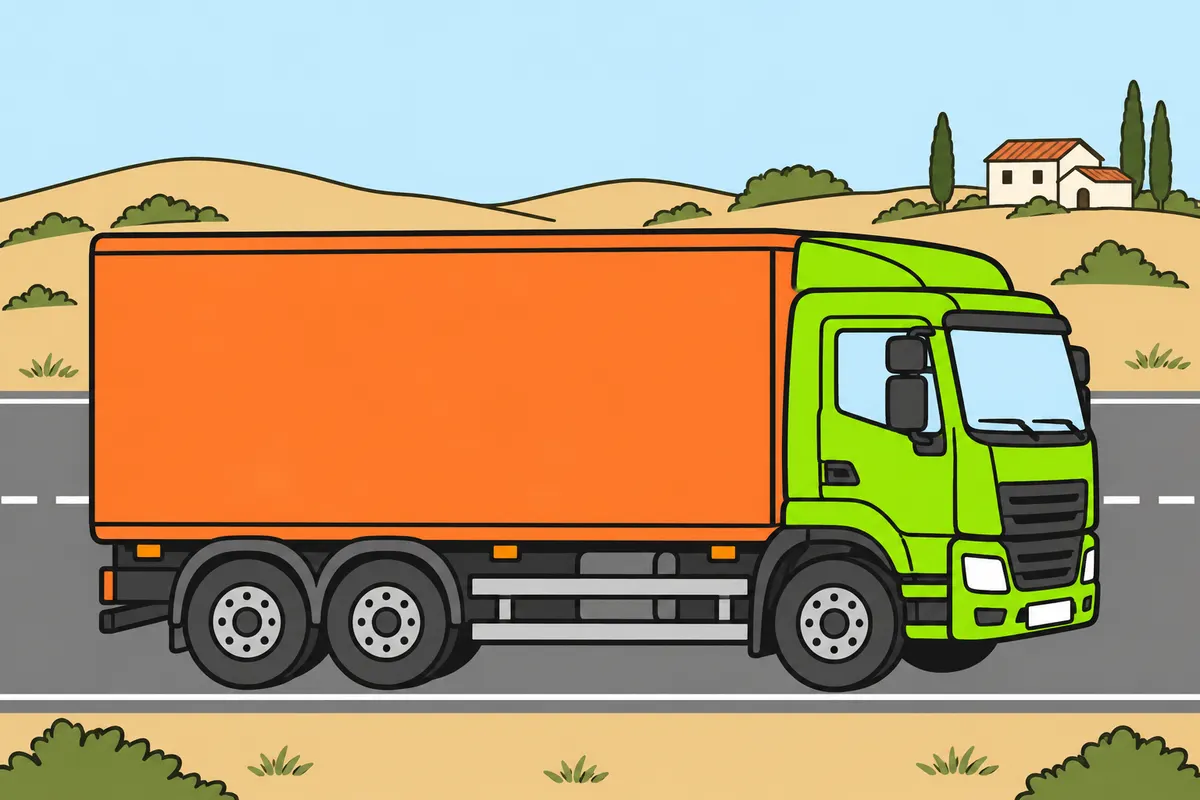 Module 1Lorry licences and types of transportYou learn which vehicles and trailers you can drive with C1 and C, the age at which you can obtain these categories and how they relate to the CAP (Certificate of Professional Competence). You master the tests, medical fitness, validity and renewal, and distinguish public transport from private transport.30 min · RecommendedRead
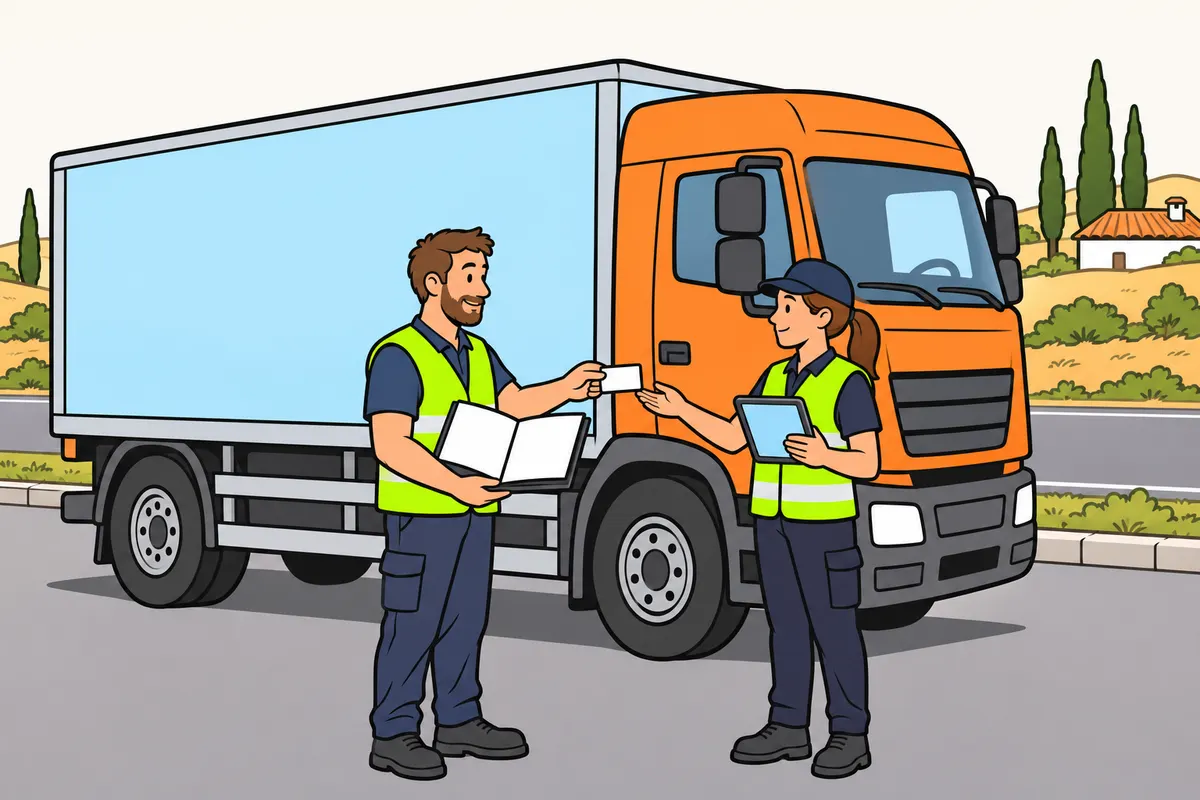 Module 2Professional transport documentationYou check the documents for yourself, your lorry and the consignment, ITV (vehicle roadworthiness test) intervals and the authorisations required for professional transport. You distinguish between CAP (Certificate of Professional Competence), the tachograph card, the consignment note and the digital control document, and know what to present at an inspection and when you can be prevented from continuing your journey.36 minRead
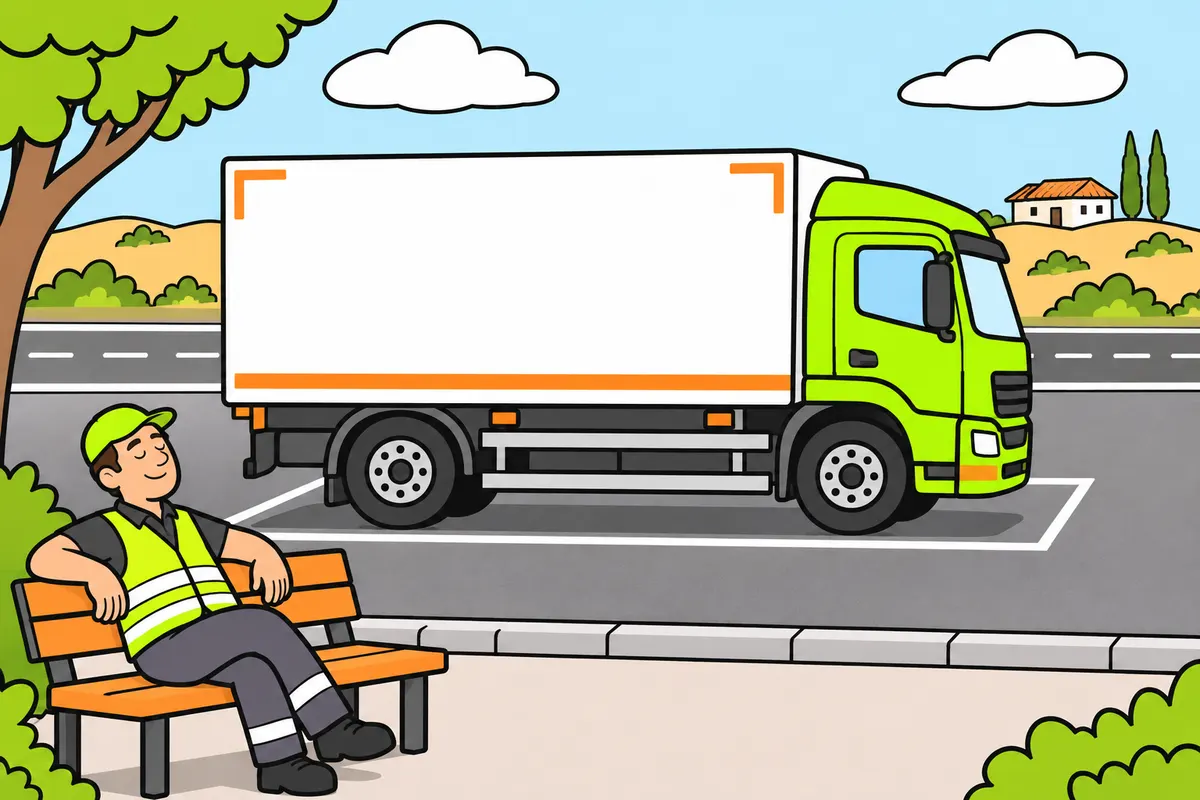 Module 3Driving, breaks and rest periodsYou learn to calculate your driving, working and presence time limits and fit breaks and daily and weekly rest periods into lorry operations. You work through examples and learn the conditions for multi-manning, ferry or train journeys and the applicable exceptions.35 minRead
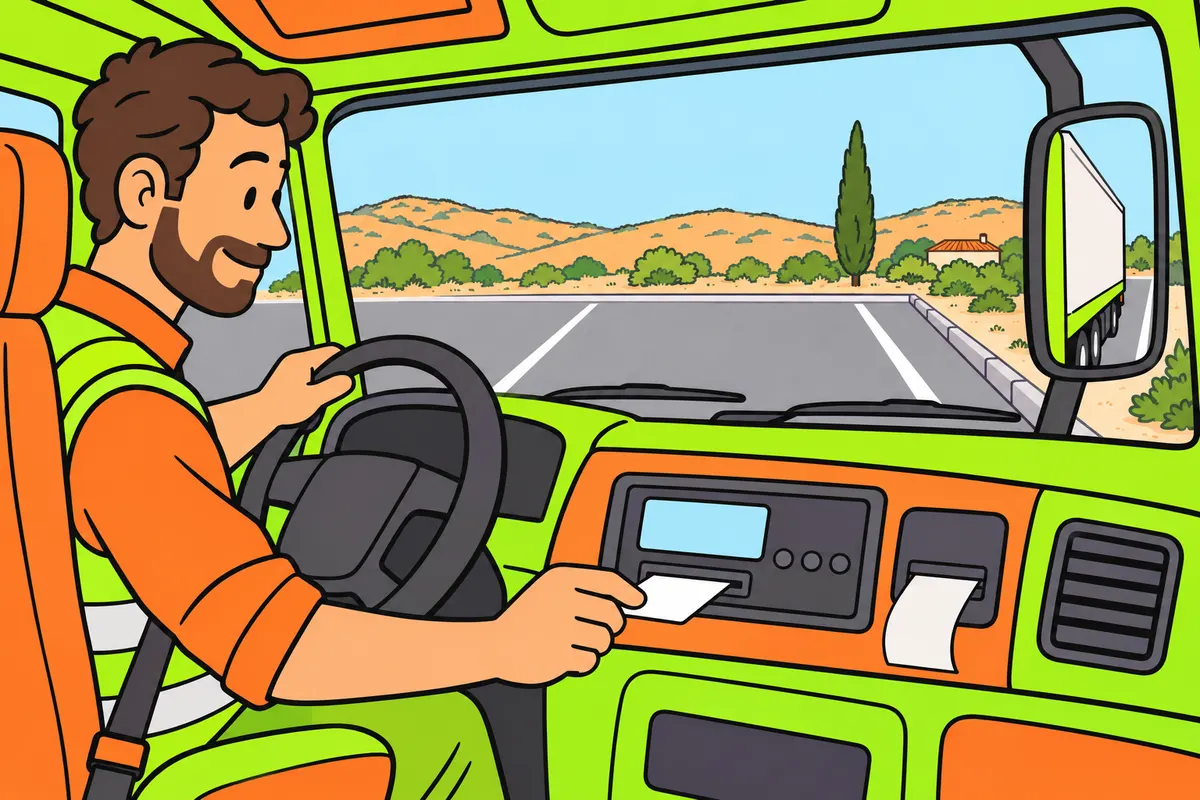 Module 4The tachograph and its recordsYou learn to use analogue, digital and smart v2 tachographs, identify their cards and record all your activities without gaps. You distinguish between inspection, download and retention periods, deal with incidents and recognise prohibitions, penalties and exemptions.30 minRead
 Module 5The driver’s conditionYou learn to apply the alcohol limits for lorries and the requirements for alcohol and drug testing, and to distinguish fines, penalty points and criminal offences. You recognise how rest, health, medicines, emotions and distractions affect you, and decide when you must stop driving.35 minRead
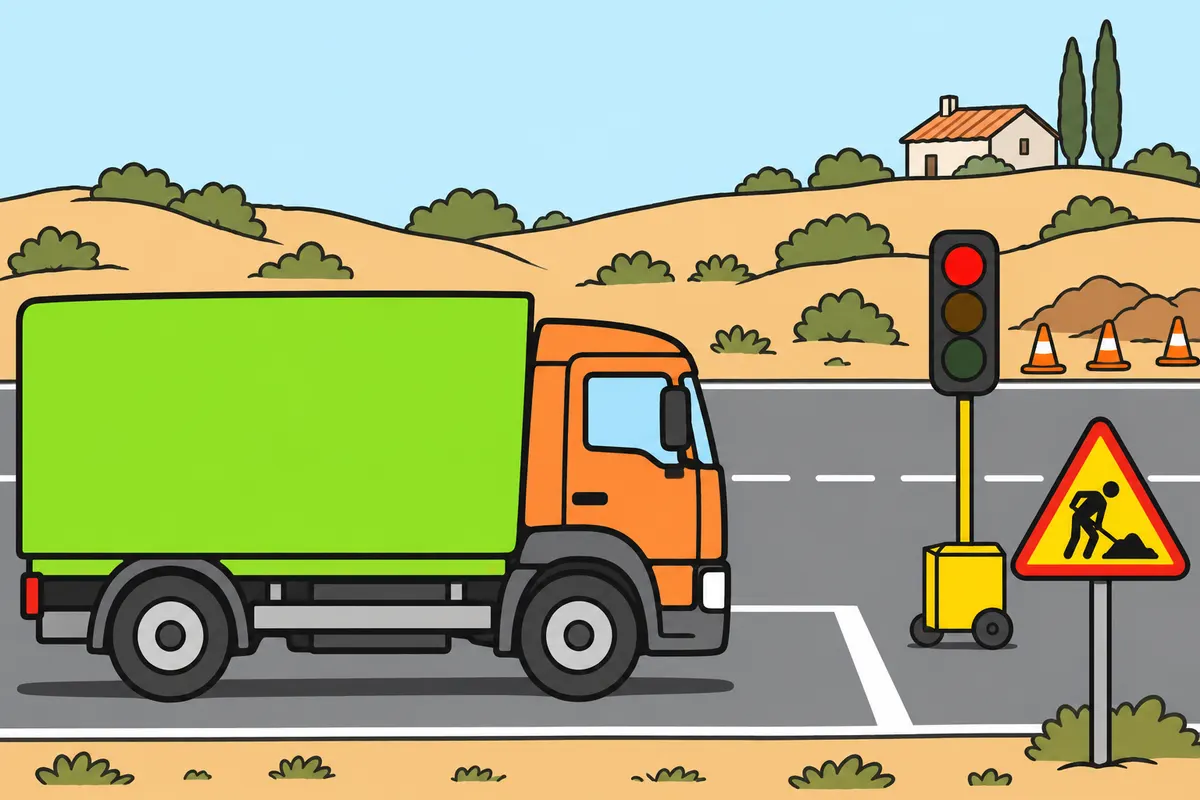 Module 6Signs and their hierarchy for lorriesYou learn to apply the hierarchy of signs and interpret traffic officers’ signals, roadworks signs, traffic lights, upright signs and road markings. You distinguish the restrictions on goods vehicles, MMA (maximum authorised mass), actual mass and dimensions that determine where you can drive your lorry.36 minRead
 Module 7Speed and safe following distancesYou learn to choose your lorry’s speed on each type of road and adjust it to the load, visibility and grip. You distinguish between reaction, braking and stopping distances, and apply minimum speeds, the 50-metre gap and tunnel following distances.32 minRead
 Module 8Manoeuvres with a lorryYou learn to join traffic, change lanes, overtake, turn and reverse your lorry while respecting priorities, prohibitions and safety margins. You distinguish between the different types of immobilisation and know how to signal and secure your vehicle.40 minRead
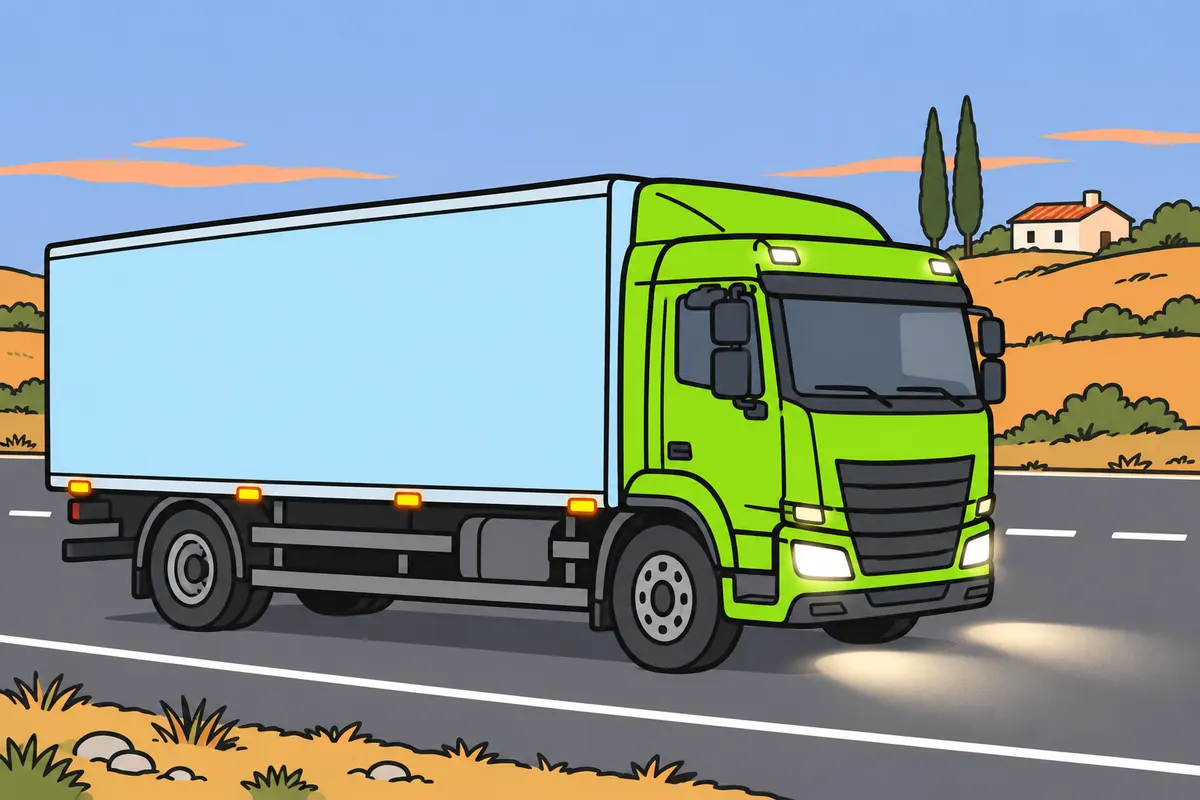 Module 9Lorry lights and signalsYou learn to choose your lorry’s lighting according to the road, visibility and its situation, avoiding dazzle and correctly signalling manoeuvres and immobilisation. You master the thresholds for side-marker lamps and end-outline marker lamps, the connected V-16, and lorry plates and markings.40 minRead
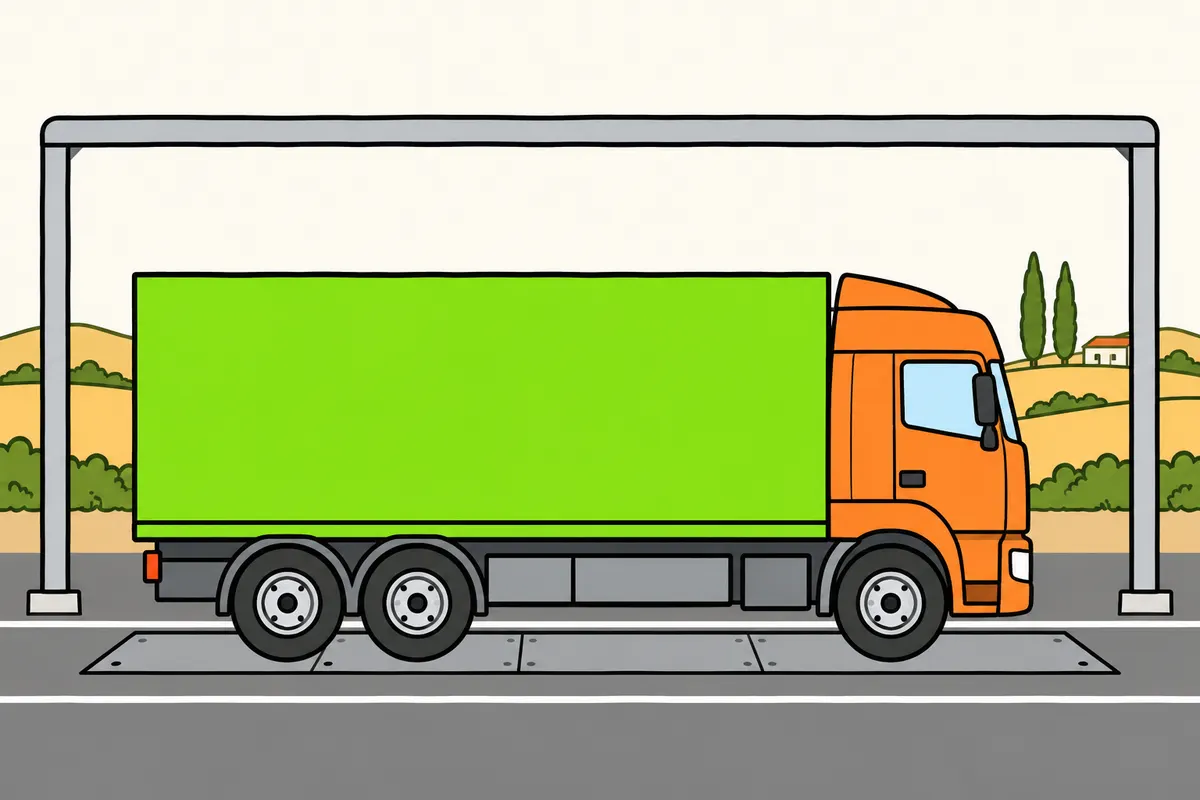 Module 10Lorry dimensions and massesYou learn to distinguish actual, authorised and technically permissible masses and apply the maximum limits for lorries, their axles and goods vehicle combinations. You answer questions on dimensions, overhangs, turning circles, special transport operations and access restriction signs, always checking the conditions of each exception. You learn which vehicles must have a speed limiter, its settings, exemptions and checks.32 minRead
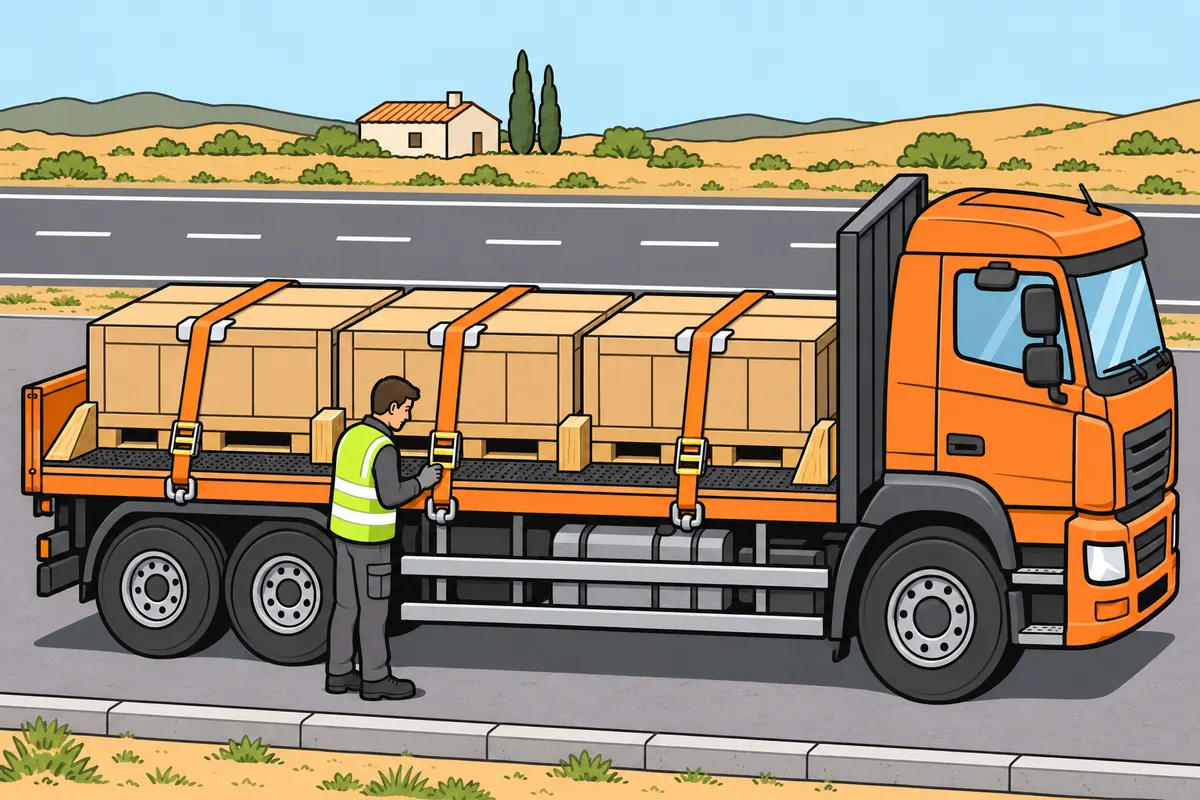 Module 11Load stowage and safetyYou learn to position, distribute and secure goods on your lorry and check their safety during the journey and deliveries. You can answer category C questions on lashings, stability, tankers, loading and unloading, projecting loads and V-20 markings without confusing a correctly marked load with one that is authorised and properly secured.32 minRead
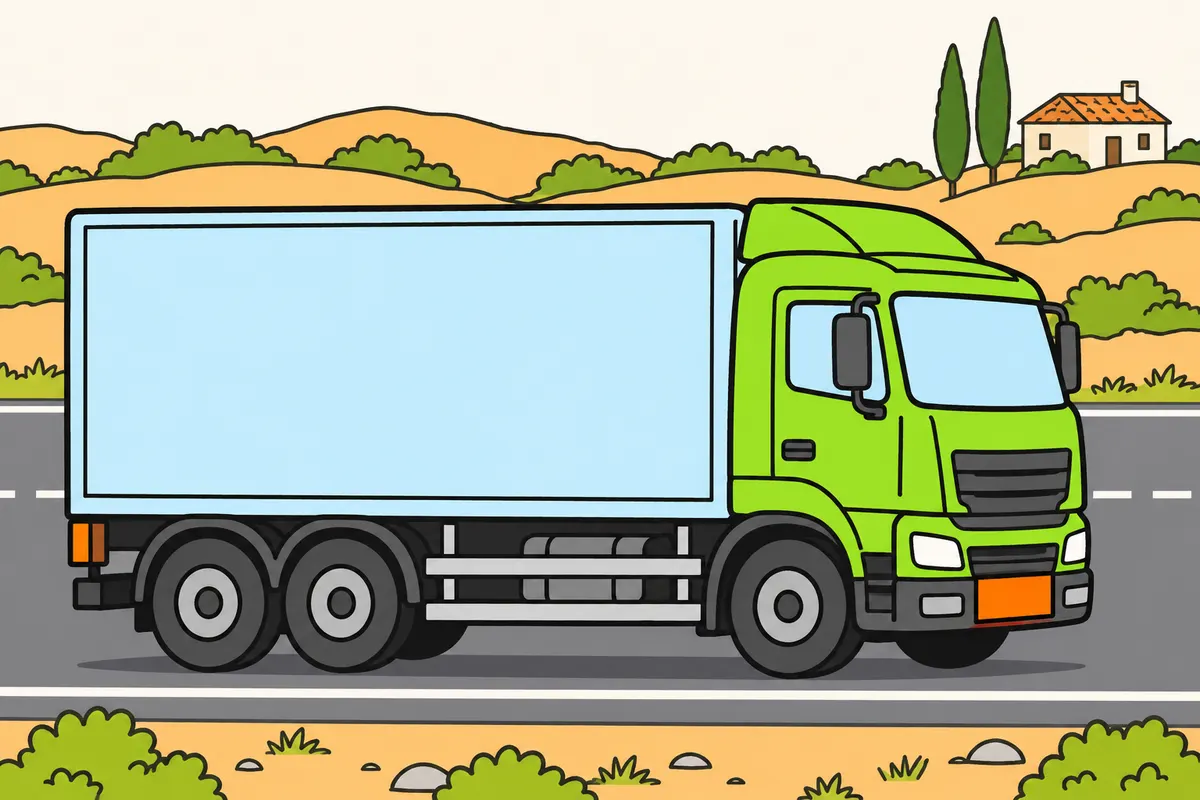 Module 12Dangerous goods: ADR basicsYou learn to recognise the classes of dangerous goods, interpret their signs and markings, and distinguish your category C licence from ADR authorisation. You can answer questions on documents, restrictions, tunnels and initial action in an incident without confusing these basics with the separate ADR course.30 minRead
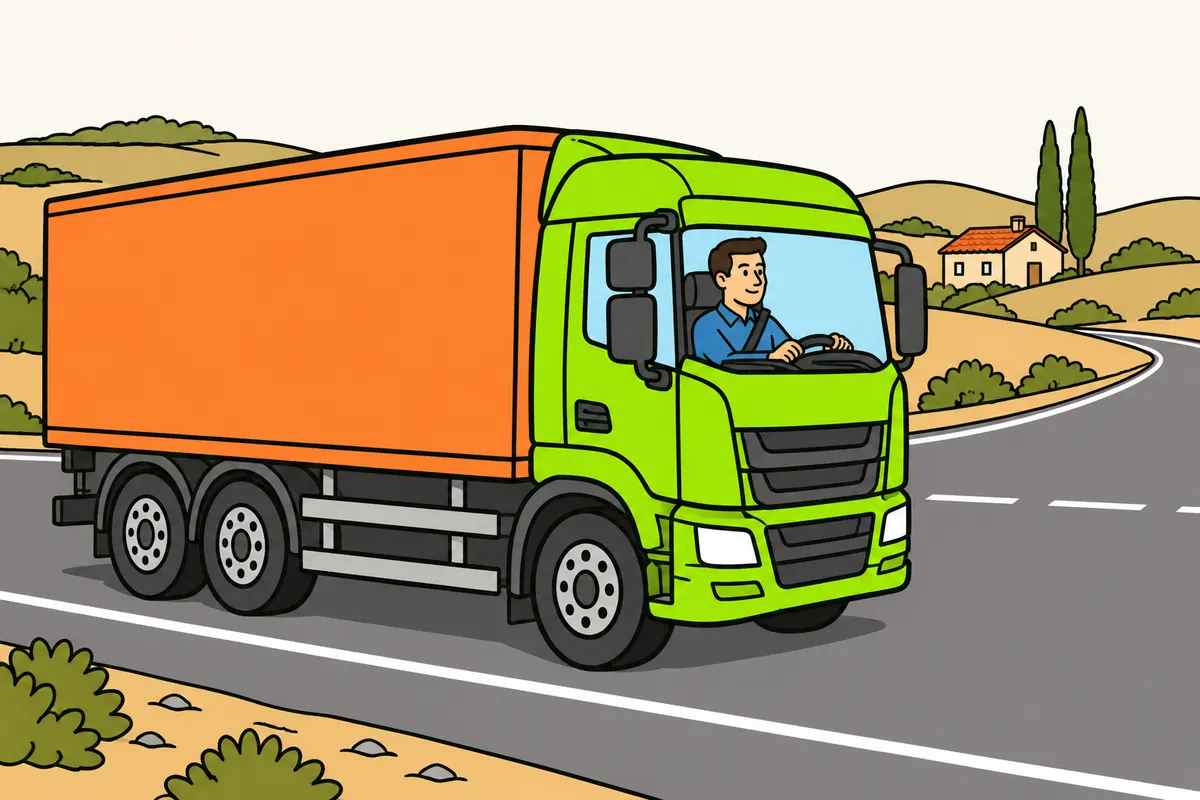 Module 13Safe lorry drivingYou learn to observe from a high cab, monitor blind spots and anticipate the space your lorry sweeps through when turning and reversing. You practise choosing safety margins, using engine braking and retarders on descents, and responding to wind, poor visibility and immobilisation, distinguishing legal duties from technical recommendations for the exam.35 minRead
 Module 14Lorry brakes and retardersYou learn to use the lorry’s brakes and retarders, interpret the air circuit and its warnings, and prevent overheating on descents. You also learn about the accelerator, load-dependent control and the braking requirements for the light trailer you can tow with category C.30 minRead
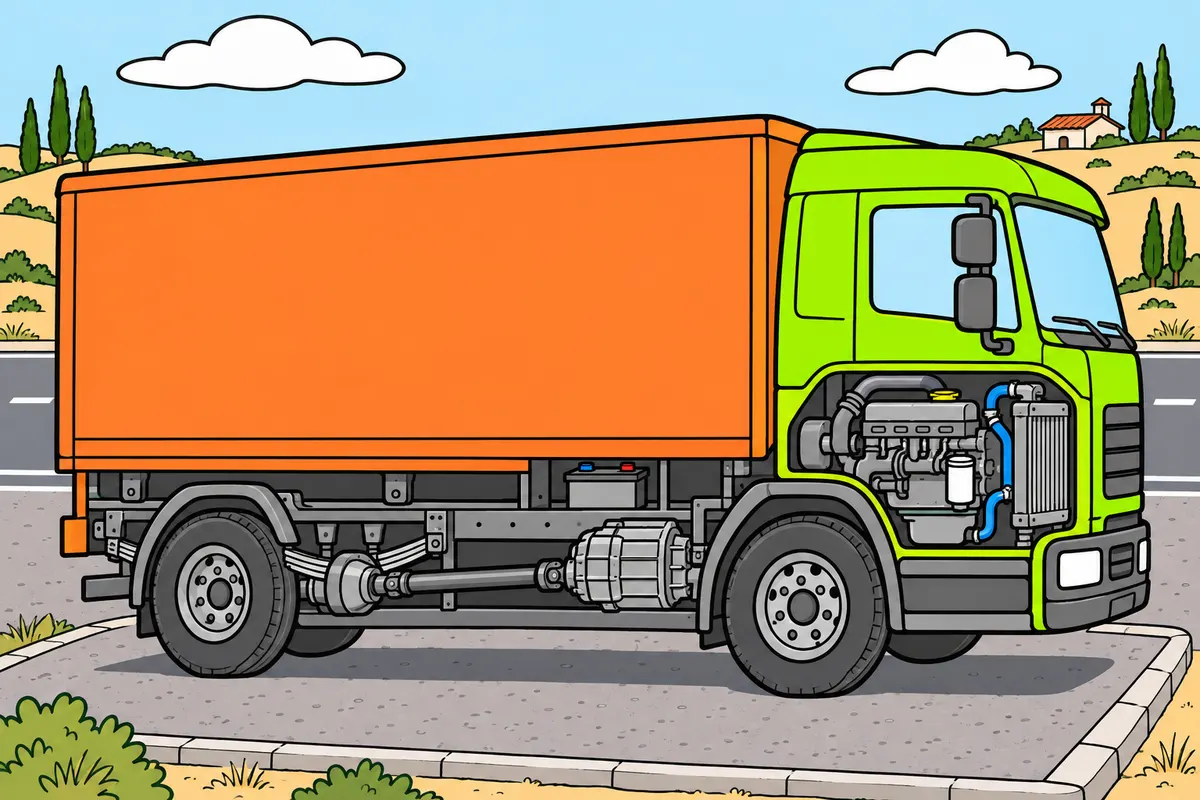 Module 15Lorry mechanicsYou learn how the diesel engine and its fuel supply, lubrication and cooling circuits work, along with the transmission, suspension, steering, electrical system and starting system. You relate each component to its function and to signs of faults, following your lorry's specifications.22 minRead
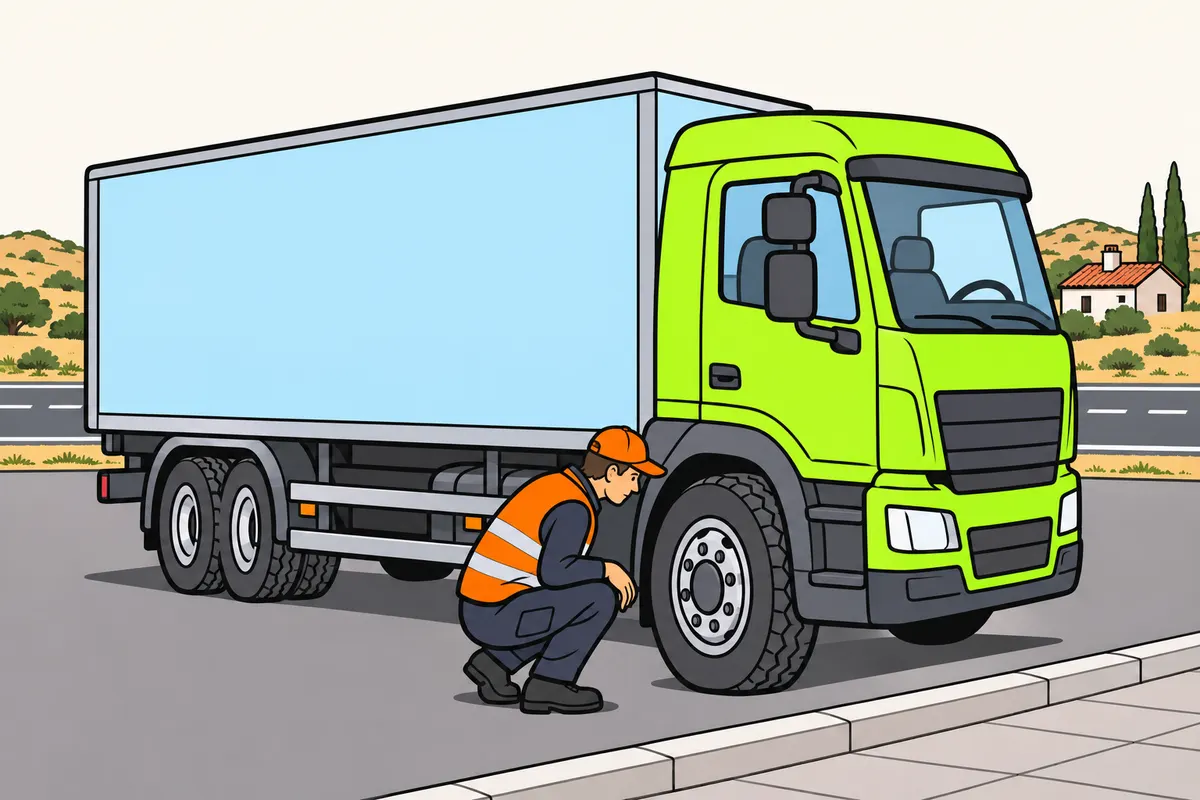 Module 16Lorry maintenance and checksYou learn to check your lorry before setting off, interpret its warnings and distinguish simple maintenance from a fault that requires you to immobilise it. You master the specific points about tyres, twin wheels, air brakes and preparation for the ITV (vehicle roadworthiness test) covered in the category C licence exam, and how to act safely if a fault occurs on the road.40 minRead
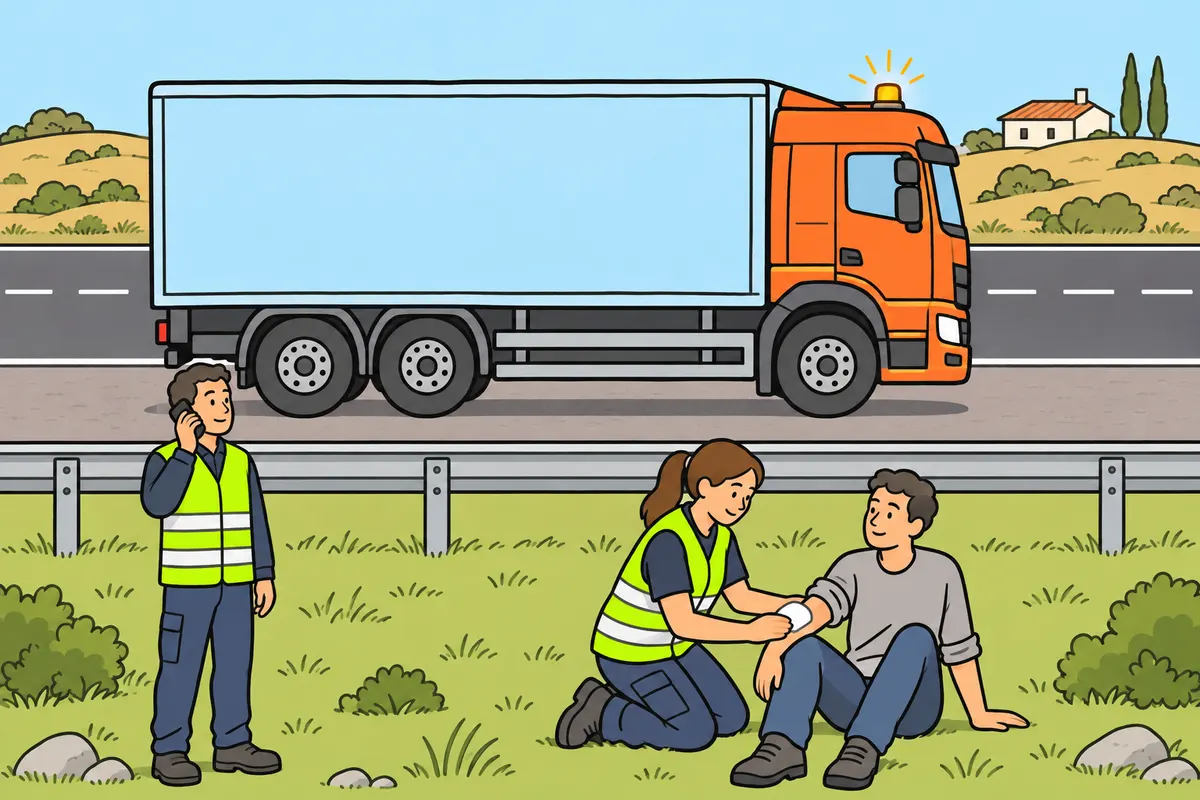 Module 17Accidents, breakdowns and first aidYou learn to secure the scene when your lorry is immobilised, call 112 and provide help without worsening injuries. You master the connected V-16, high-visibility vest, fire extinguishers and the differences between breakdowns, fires and traffic queues in tunnels, as well as your duties to help and identify yourself.32 minRead
 Module 18Defensive and efficient lorry drivingYou learn to observe, anticipate and maintain space to drive your lorry safely and use its energy without unnecessary acceleration or braking. You master gear selection, the economical engine speed range, the influence of tyres, load and aerodynamics, and questions on environmental badges, ZBE (low-emission zones) and noise.32 minRead