
LCM Licence - Reduced Mobility Vehicle
Theory
15 theory modules for the exam, about 8 hours of reading, in the order we recommend.
0 of 15 modules read
Start with module 1: Definitions for driving with an LCM licence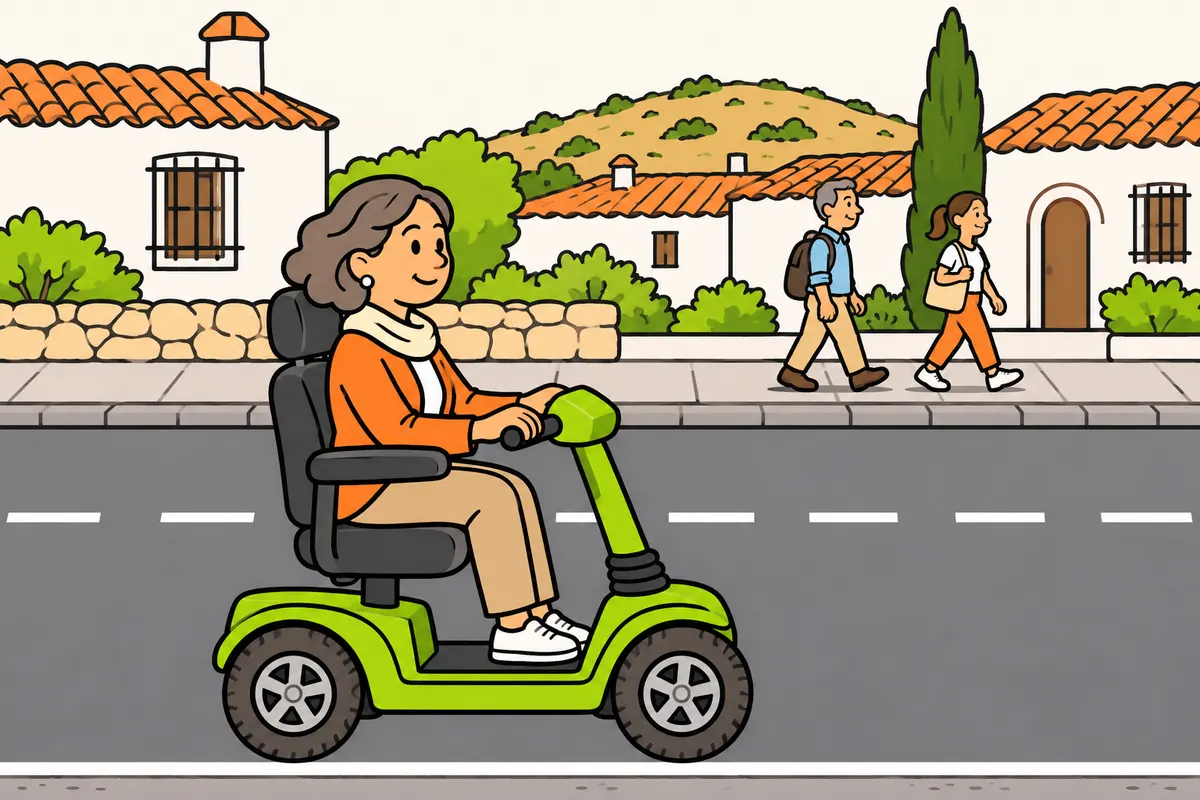 Module 1Definitions for driving with an LCM licenceYou learn to distinguish the parts and types of roads, the vehicle you can drive with an LCM licence and the masses used to describe it. You also identify road users and distinguish compulsory stopping, brief stopping, parking, overtaking and junctions so that you can interpret exam questions accurately.30 min · RecommendedRead
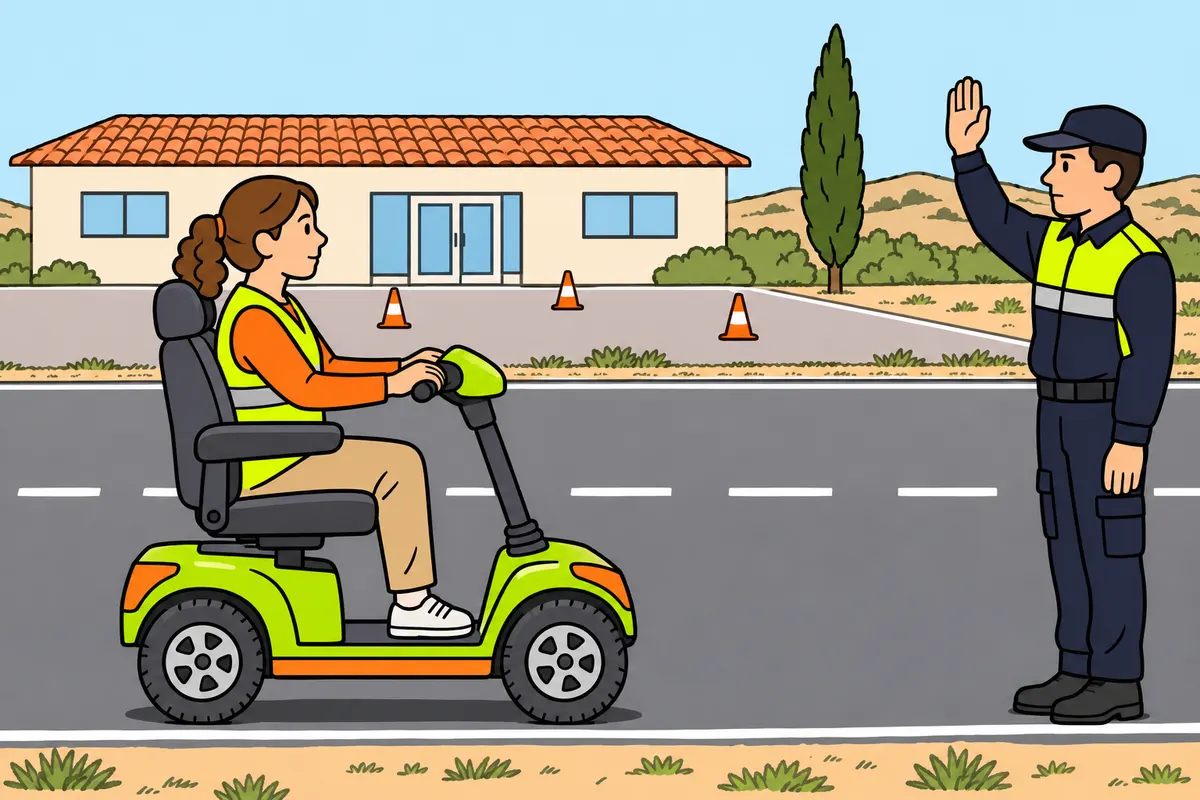 Module 2LCM licence, the test and obeying signsYou learn what you can drive with an LCM licence, the ages and requirements for obtaining it and the tests you must pass. You prepare for test attempts, time limits and marking, and learn the basic rules for obeying signs and officers.22 minRead
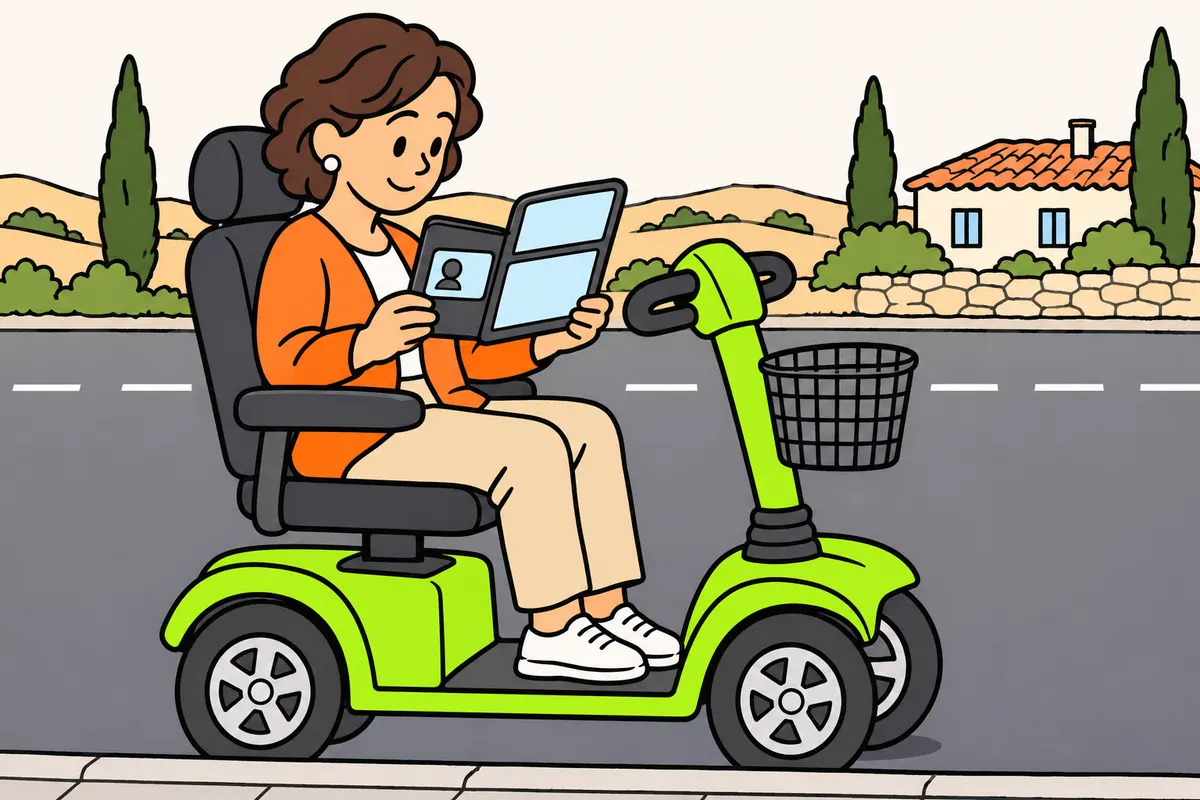 Module 3Driver and vehicle documentationYou learn how to check your LCM licence, its restrictions and its renewal, and how to distinguish the documents relating to your vehicle. You learn how to answer questions about ITV (vehicle roadworthiness test), insurance, changes of details and duplicate documents without automatically applying the rules for a passenger car to a vehicle for people with reduced mobility.32 minRead
 Module 4The LCM licence points systemYou learn how many points you start with, how you can reach 15 and which offences reduce your balance when you drive with an LCM licence. You learn to distinguish partial points recovery from loss of licence validity, choose the right course and remember the waiting periods and test you need to drive again.30 minRead
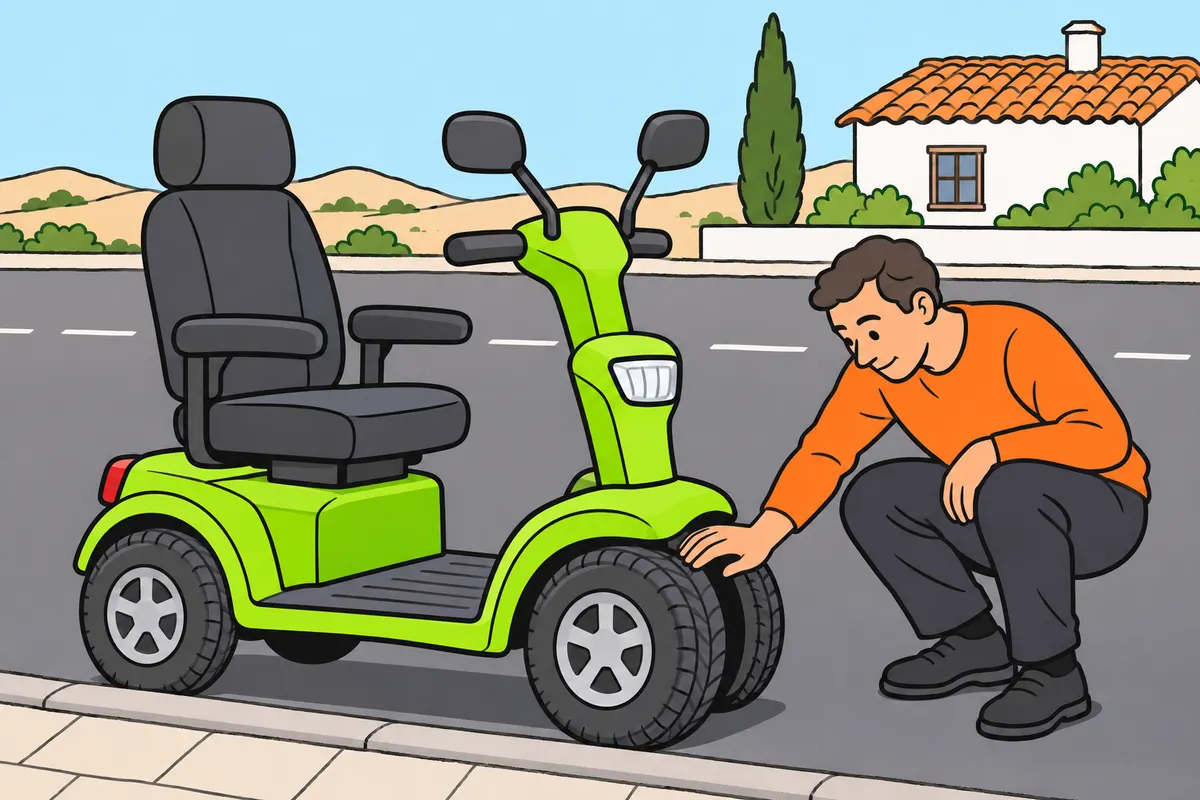 Module 5Your vehicle: characteristics and maintenanceYou learn to identify a vehicle for people with reduced mobility, its technical limits and the seats you can use. You get to know its controls, lights and mirrors, and practise a systematic inspection to detect defects that may appear in exam questions.30 minRead
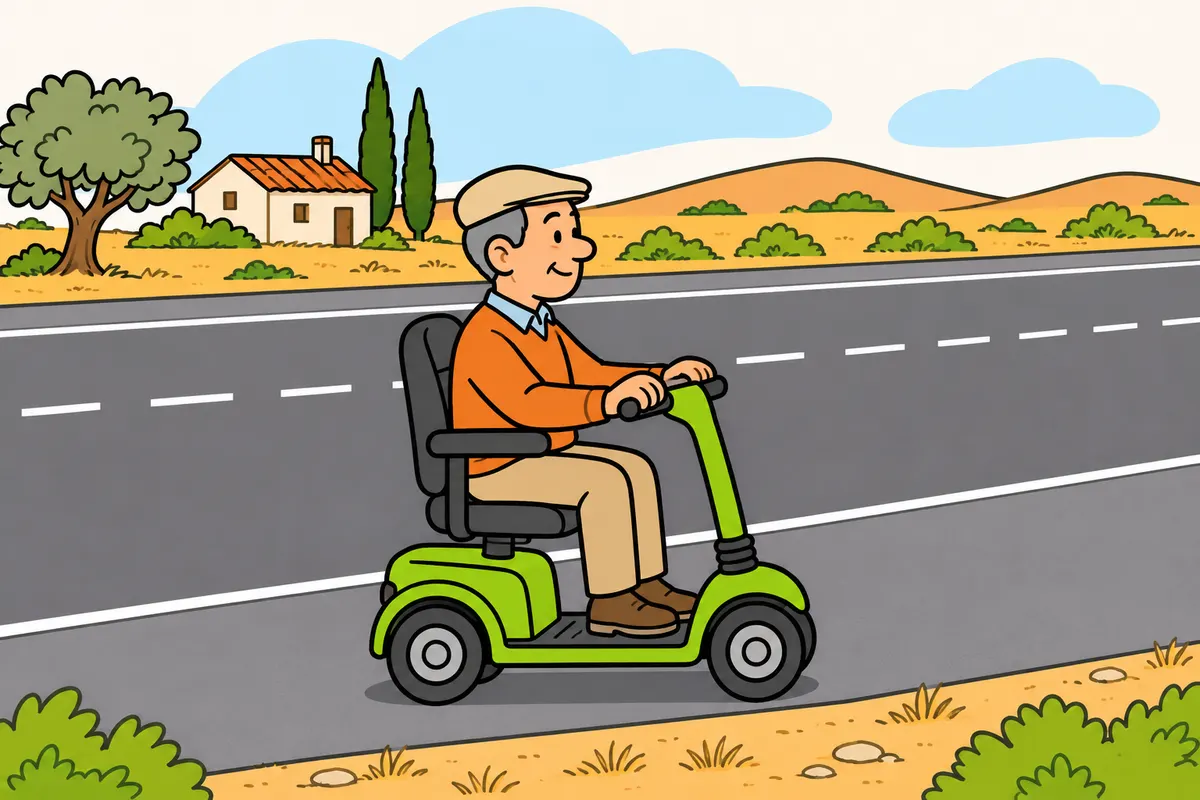 Module 6Where you must driveYou learn to choose the part of the road intended for your LCM vehicle and recognise the access points and lanes you cannot use. You master the rules on the arcén (hard shoulder), directions of travel, road markings and tunnels to answer exam questions without applying passenger-car rules to your vehicle.30 minRead
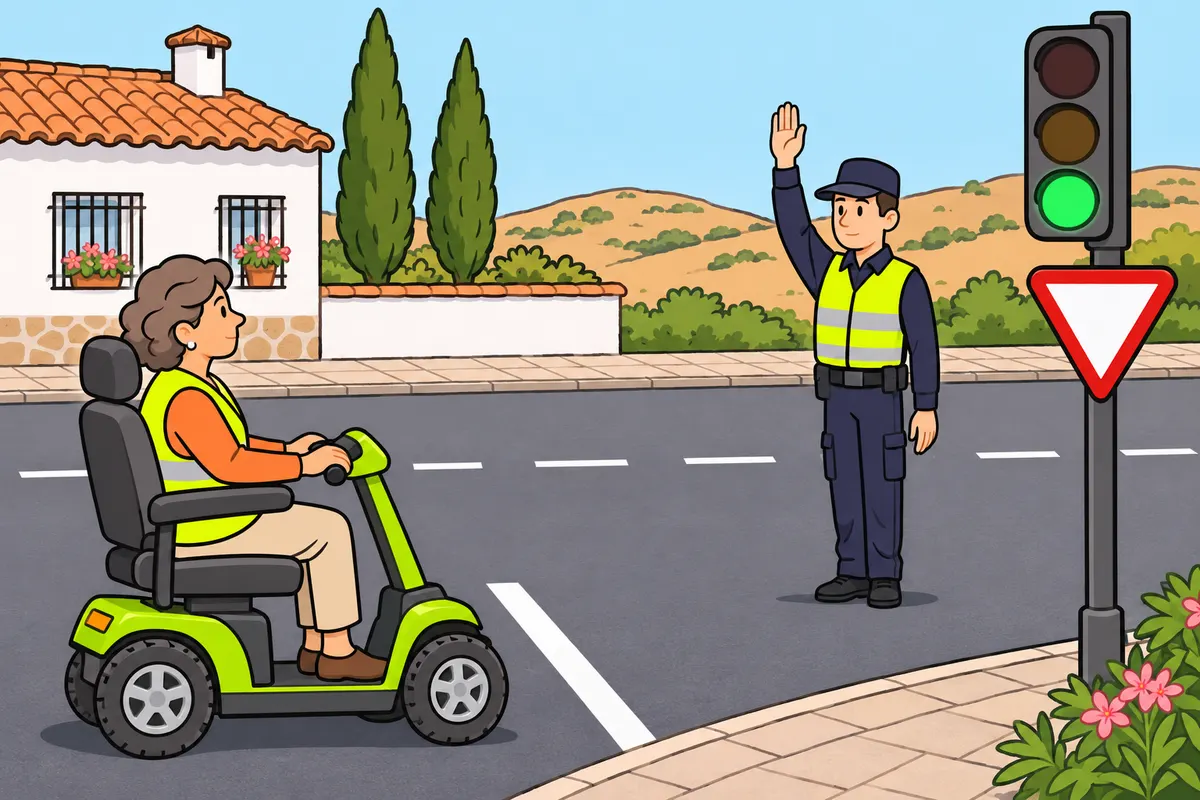 Module 7Traffic signs and their hierarchyYou learn to recognise officers’ instructions, temporary signs, traffic lights, upright signs and road markings that apply to your LCM vehicle. You resolve conflicting instructions and distinguish permission to proceed from permission to enter, paying particular attention to prohibitions for vehicles for people with reduced mobility.40 minRead
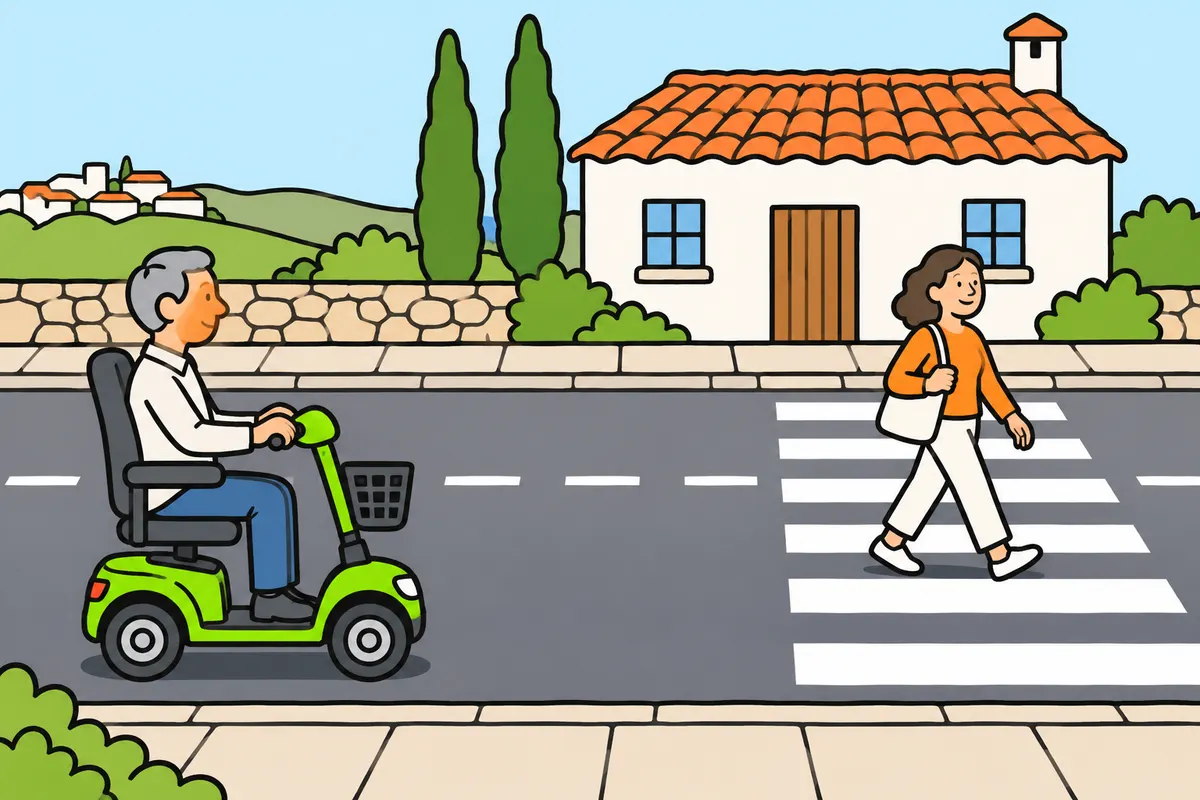 Module 8Priority and right of wayYou learn to decide who must go first at junctions, roundabouts, narrow sections, gradients and special crossings when you drive your LCM vehicle. You practise giving way safely and recognising the priority of emergency vehicles, pedestrians and cyclists, distinguishing the exceptions that commonly appear in the test.32 minRead
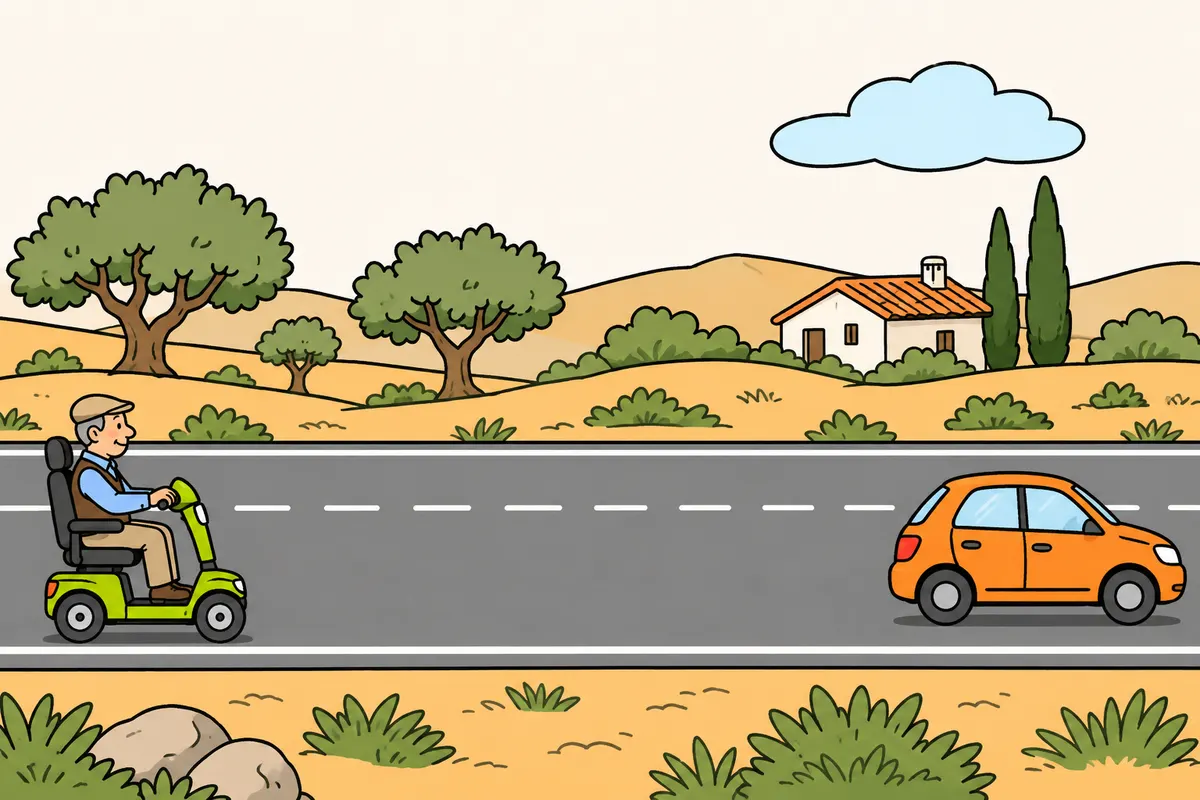 Module 9Speed and safe following distancesYou learn to combine the limits for your LCM vehicle with those for each road and to reduce speed whenever safety requires it. You distinguish reaction, braking and stopping, and apply safe following distances, the rules for allowing overtaking and the special tunnel intervals in exam questions.32 minRead
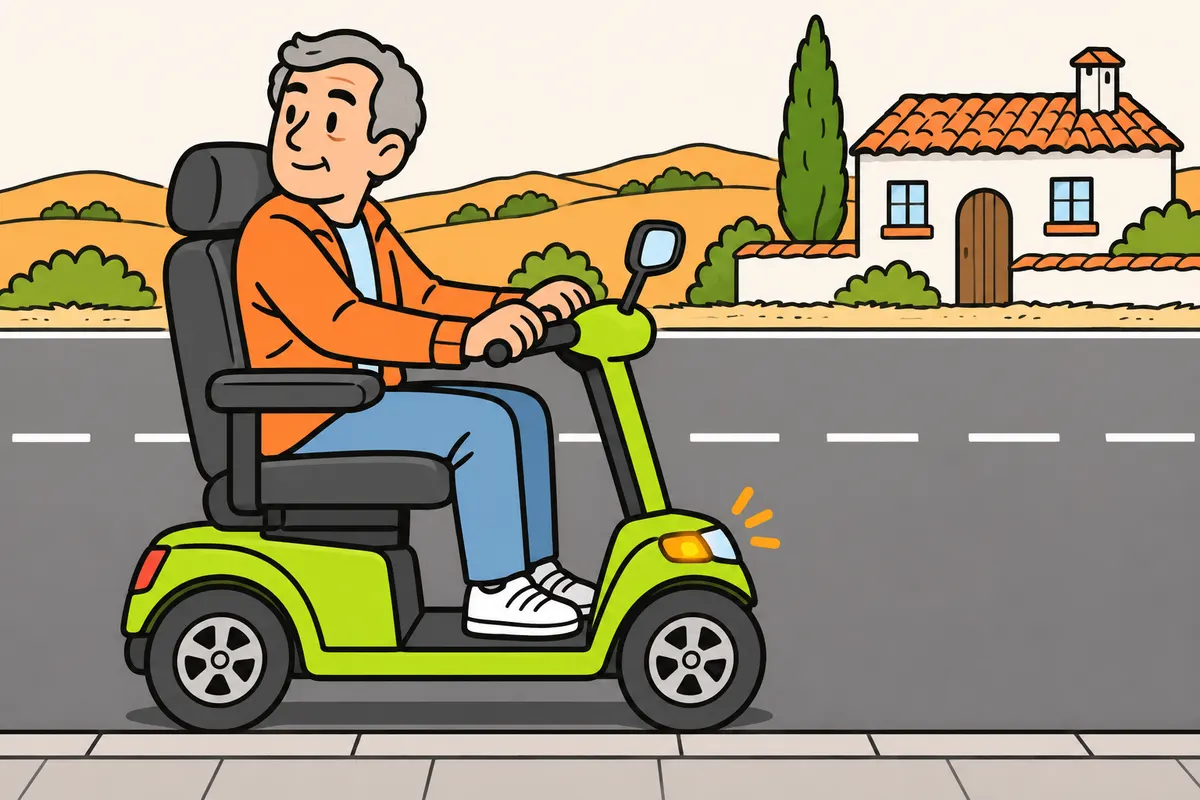 Module 10Manoeuvres with your LCM vehicleYou learn to observe, signal and carry out joining traffic, sideways movements, overtaking, turns and reversing with your LCM vehicle. You learn to choose where to stop or park and how to secure your vehicle when immobilised, distinguishing general rules from specific conditions that may appear in your test.32 minRead
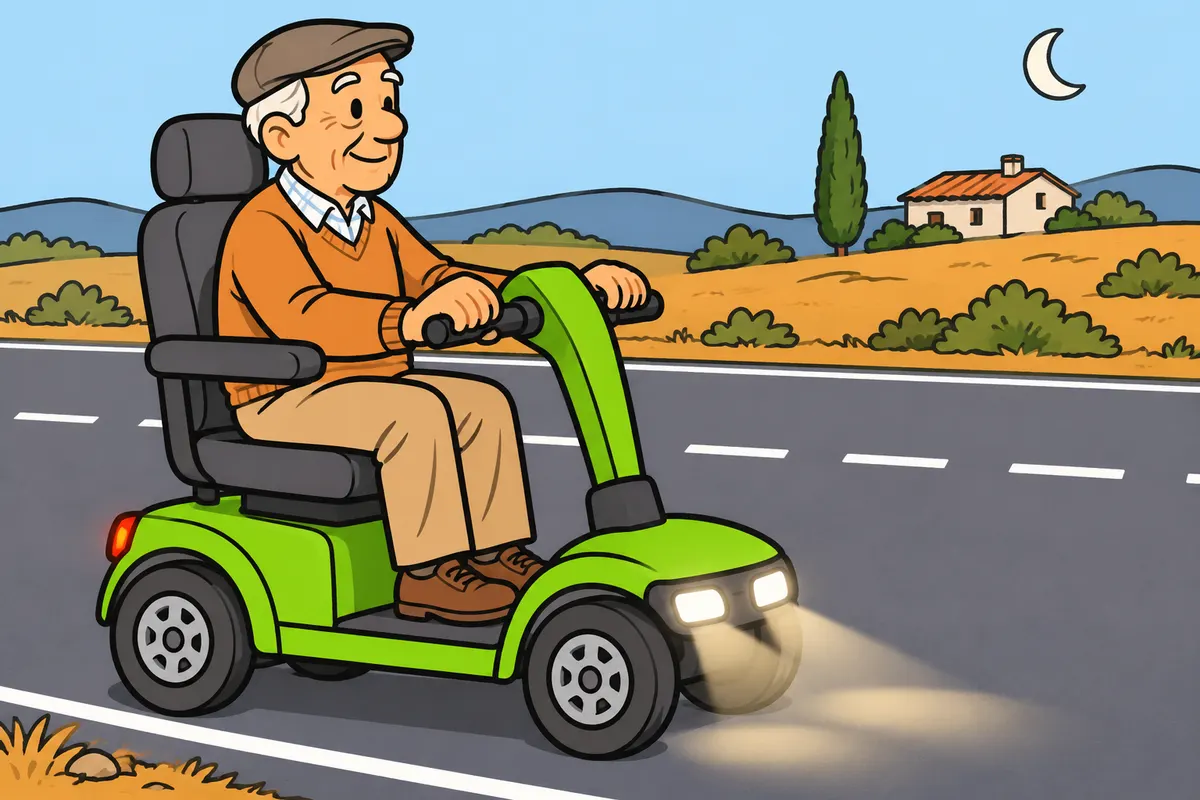 Module 11LCM vehicle lights and signallingYou learn to choose the lights for your LCM vehicle at night, in tunnels and in poor visibility, and to signal manoeuvres and warn others when your vehicle is immobilised without dazzling them. You distinguish the technical equipment requirements aligned with those for three-wheeled mopeds and the vehicle plates and stickers that may apply to you, an essential distinction for answering exam questions without automatically applying passenger-car rules.23 minRead
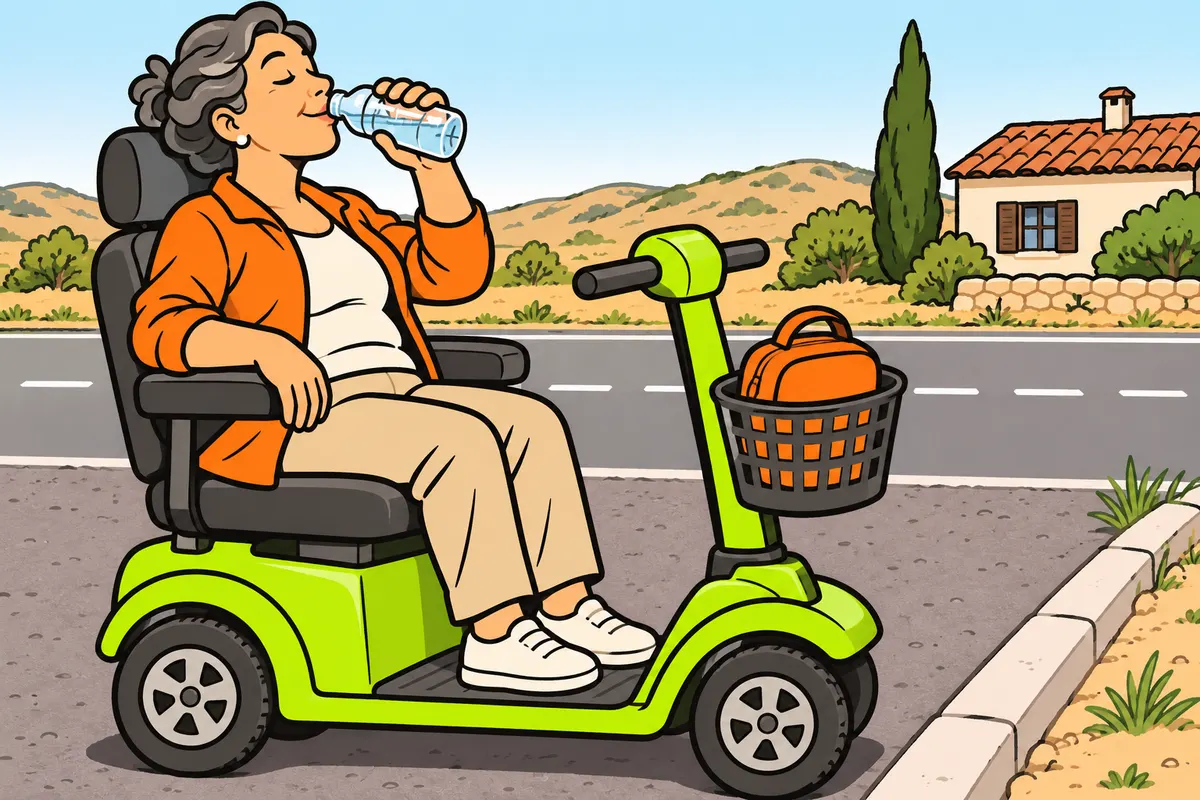 Module 12Driver fitnessYou learn to recognise when alcohol, drugs, medication, fatigue or your health prevent you from driving a vehicle for people with reduced mobility safely. You master the applicable limits, especially zero alcohol if you are under 18, testing procedures and the rules on attention and phones that may appear in your LCM test.32 minRead
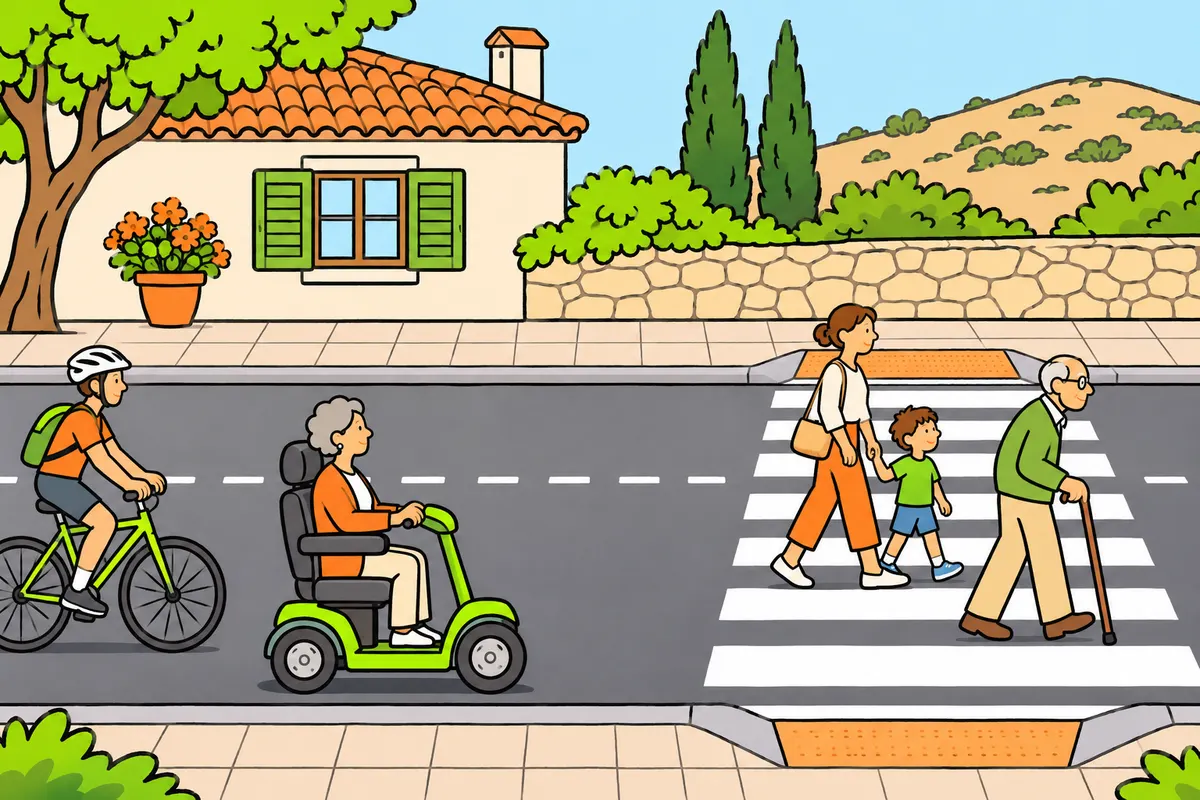 Module 13Sharing the road with vulnerable usersYou learn to share the road with pedestrians, cyclists, VMP (personal mobility vehicle) users, motorcyclists and horse riders, paying particular attention to children, older people and people with reduced mobility. You distinguish the priorities, crossings and safety margins that apply to the vehicle you drive with your LCM licence, so you can answer exam questions without confusing it with a wheelchair or a VMP.32 minRead
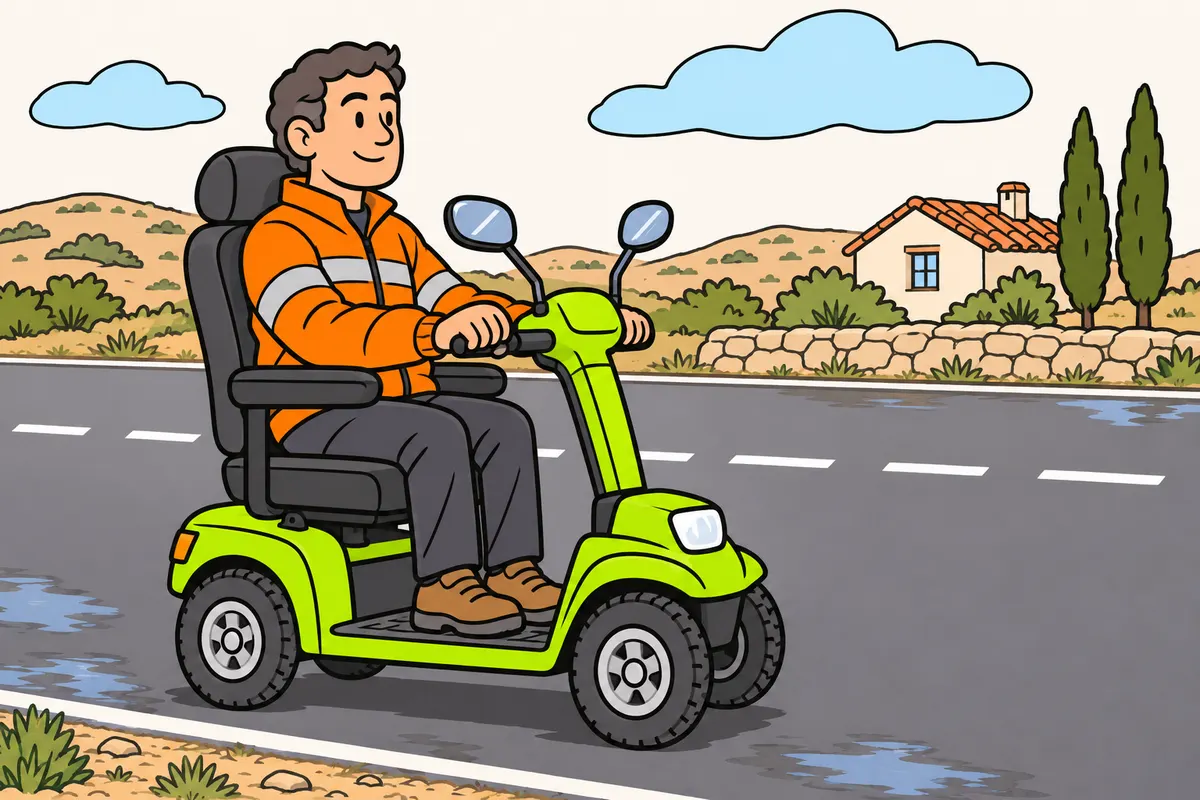 Module 14Drive safely and make yourself visibleYou learn how to prepare your vehicle for people with reduced mobility, assess your fitness and stay attentive throughout your journey. You learn to adapt your speed and safety margins to the road surface, weather and visibility, with particular attention to helping other drivers see you in time and to common sources of confusion in the LCM test.34 minRead
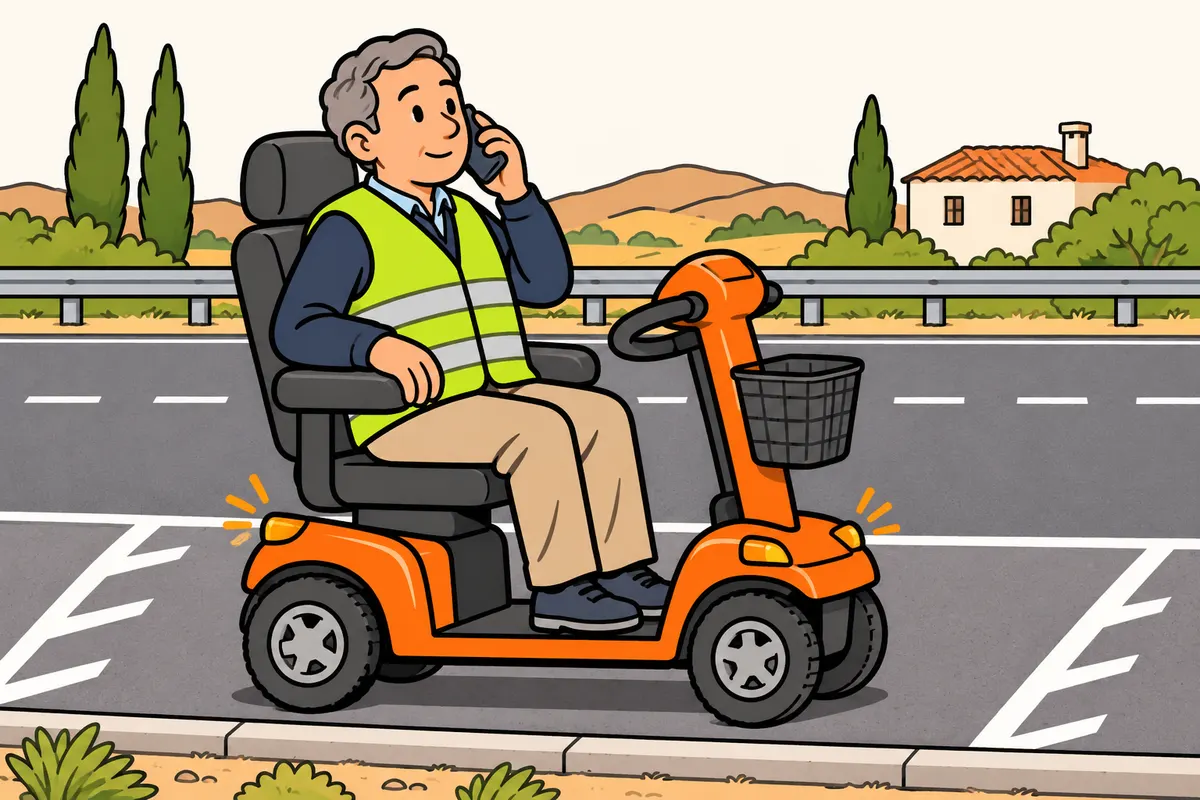 Module 15Accidents and breakdownsYou learn how to make the scene safe when a vehicle is immobilised, alert 112 and give assistance without worsening injuries. You distinguish the rules applicable to your LCM vehicle, the use of the connected V-16 and exam answers on helmets, first aid and emergencies in tunnels.30 minRead