
AM Licence - Moped
Theory
18 theory modules for the exam, about 10 hours of reading, in the order we recommend.
0 of 18 modules read
Start with module 1: Essential definitions for AM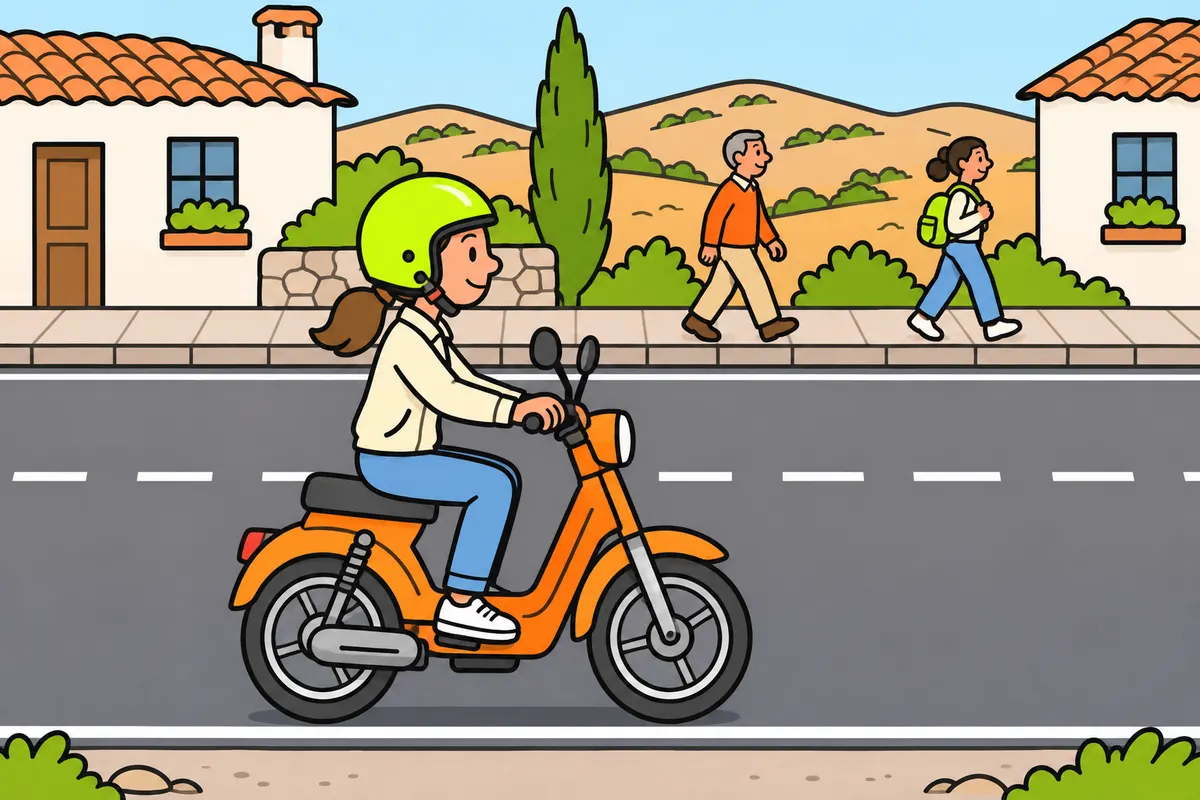 Module 1Essential definitions for AMYou learn to distinguish the parts and types of roads, the vehicle categories you can drive with AM and the people involved in road traffic. You also master vehicle masses and the differences between compulsory stopping, voluntary stopping, parking and overtaking so that you can interpret exam questions precisely.35 min · RecommendedRead
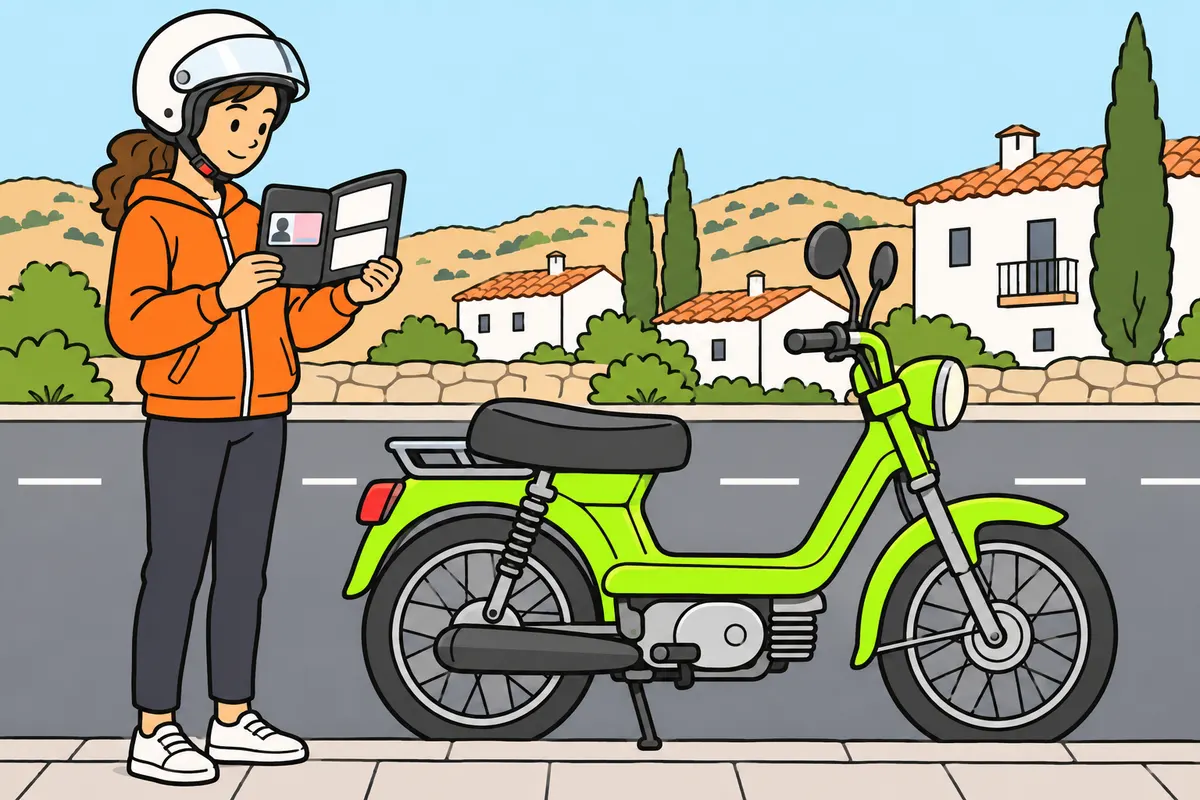 Module 2AM licence and documentationYou learn what your AM licence entitles you to drive, how to keep it valid and which documents you must carry when driving a moped or light quadricycle. You distinguish compulsory insurance, ITV (vehicle roadworthiness test) schedules and the procedures for buying or selling a vehicle, changing your address or losing documents, so you can answer exam questions accurately.30 minRead
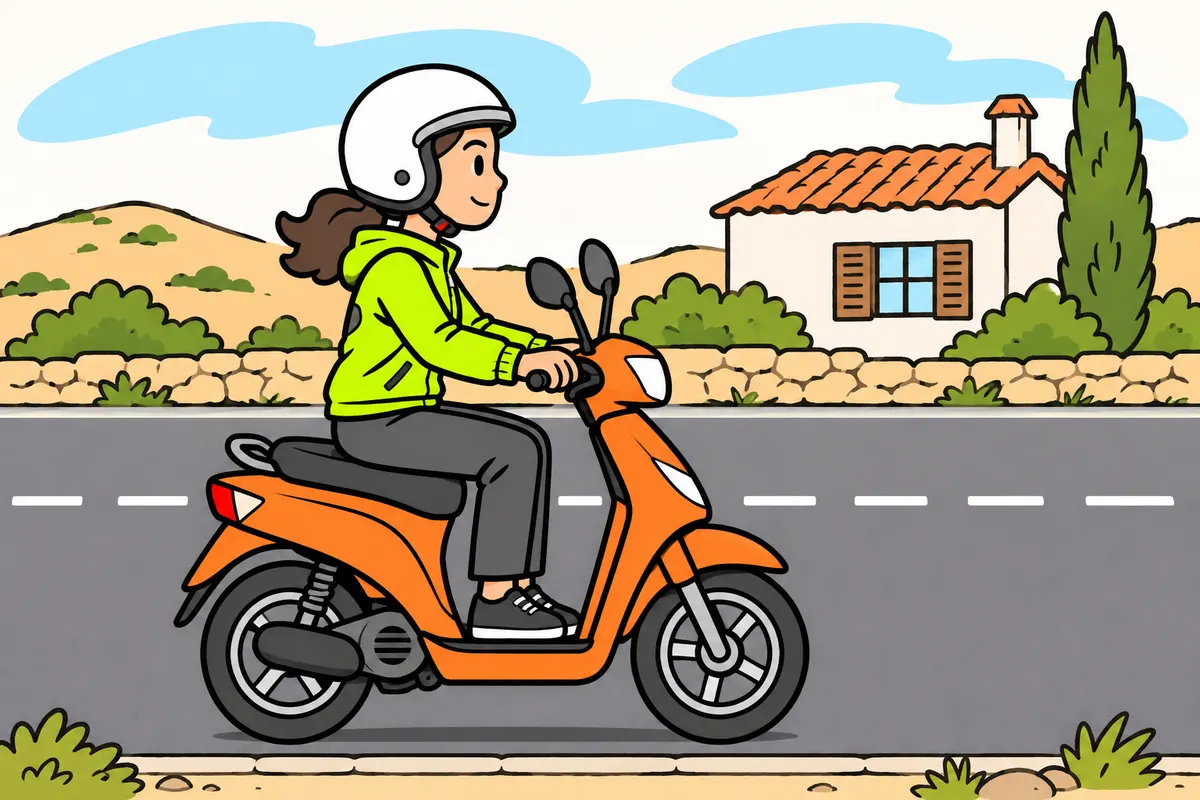 Module 3The points-based driving licenceYou learn how your points balance works with an AM licence, which offences reduce it and how you can restore or increase it up to 15. You distinguish between deductions, courses and waiting periods before you can drive again after your licence becomes invalid, paying particular attention to figures that can be confused in the exam.30 minRead
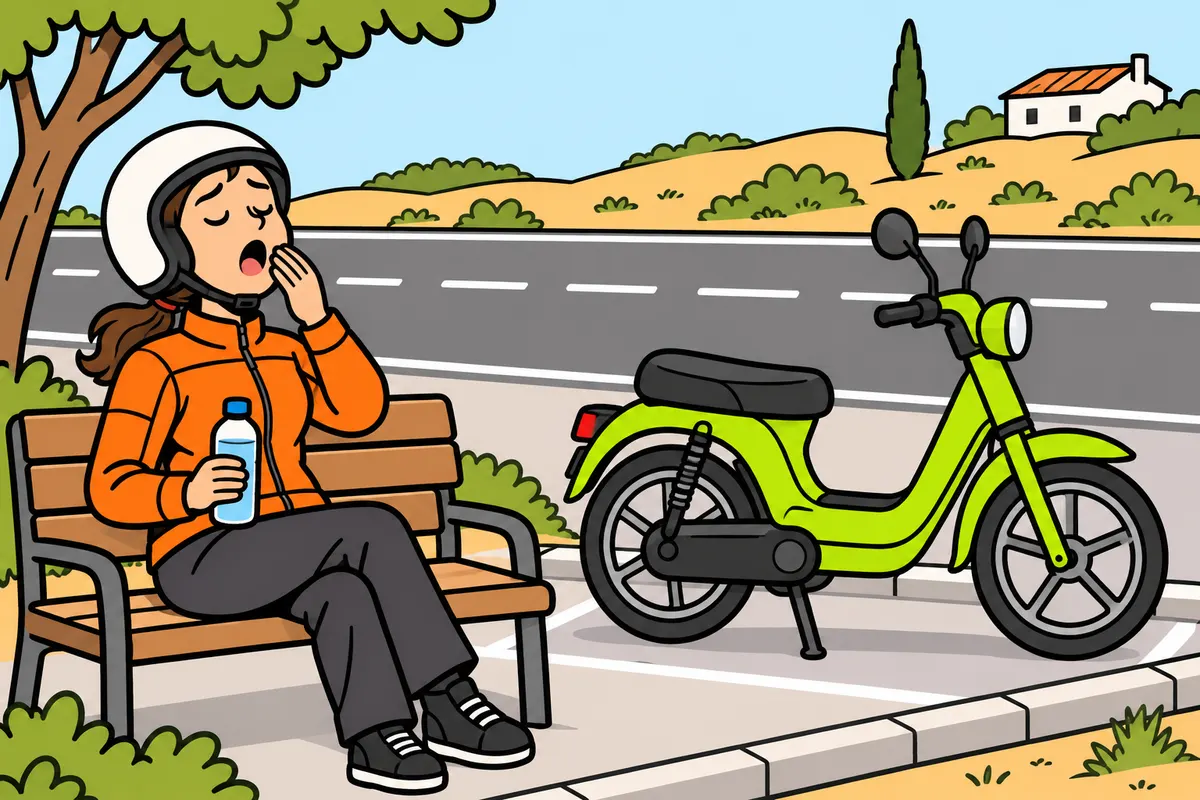 Module 4Your fitness to driveYou learn to decide whether you are fit to drive your moped or light quadricycle and to recognise the effects of alcohol, drugs, medication, tiredness and emotions. You distinguish the applicable limits, compulsory tests and prohibited distractions so that you can answer exam questions without confusing safety advice with a legal rule.30 minRead
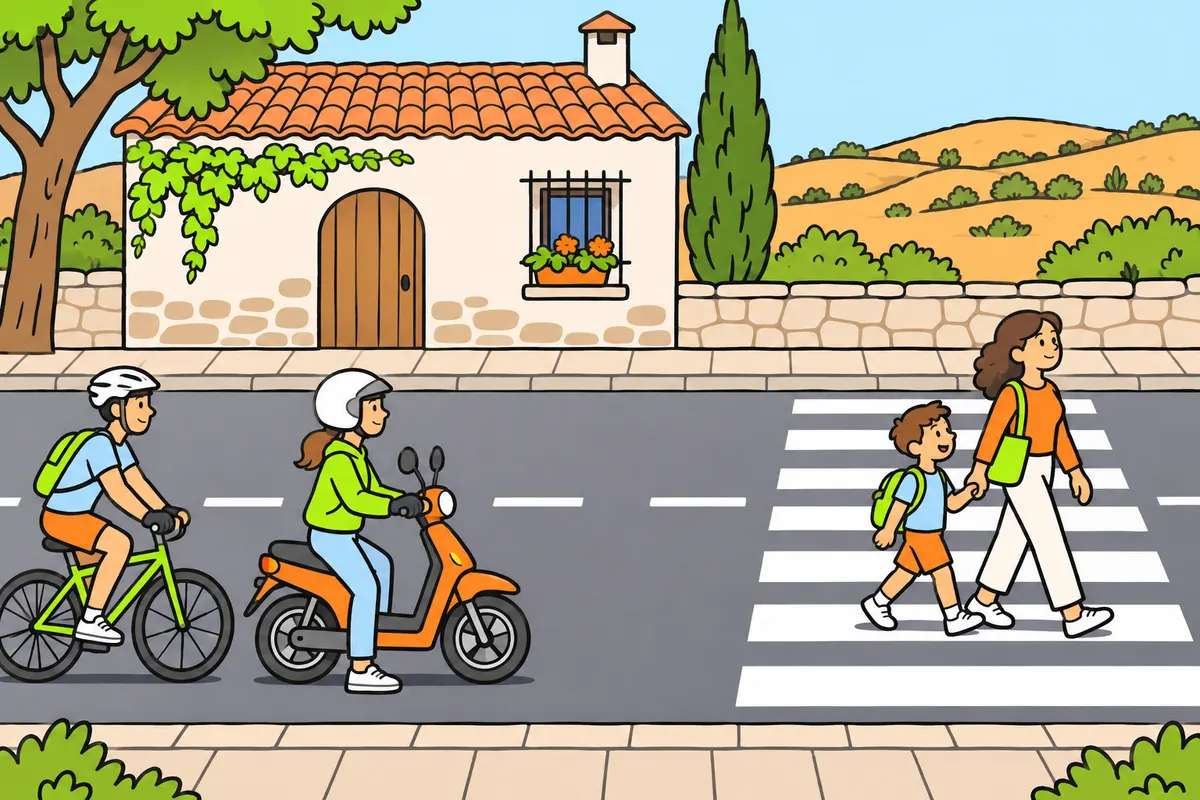 Module 5Pedestrians and vulnerable road usersYou learn how to protect pedestrians, cyclists, VMP (personal mobility vehicle) users and horse riders when riding your moped, and when you must give way to them or wait before overtaking. You also learn about your own status as a vulnerable road user and the rules on where to walk and how to remain visible when pushing a two-wheeled moped.28 minRead
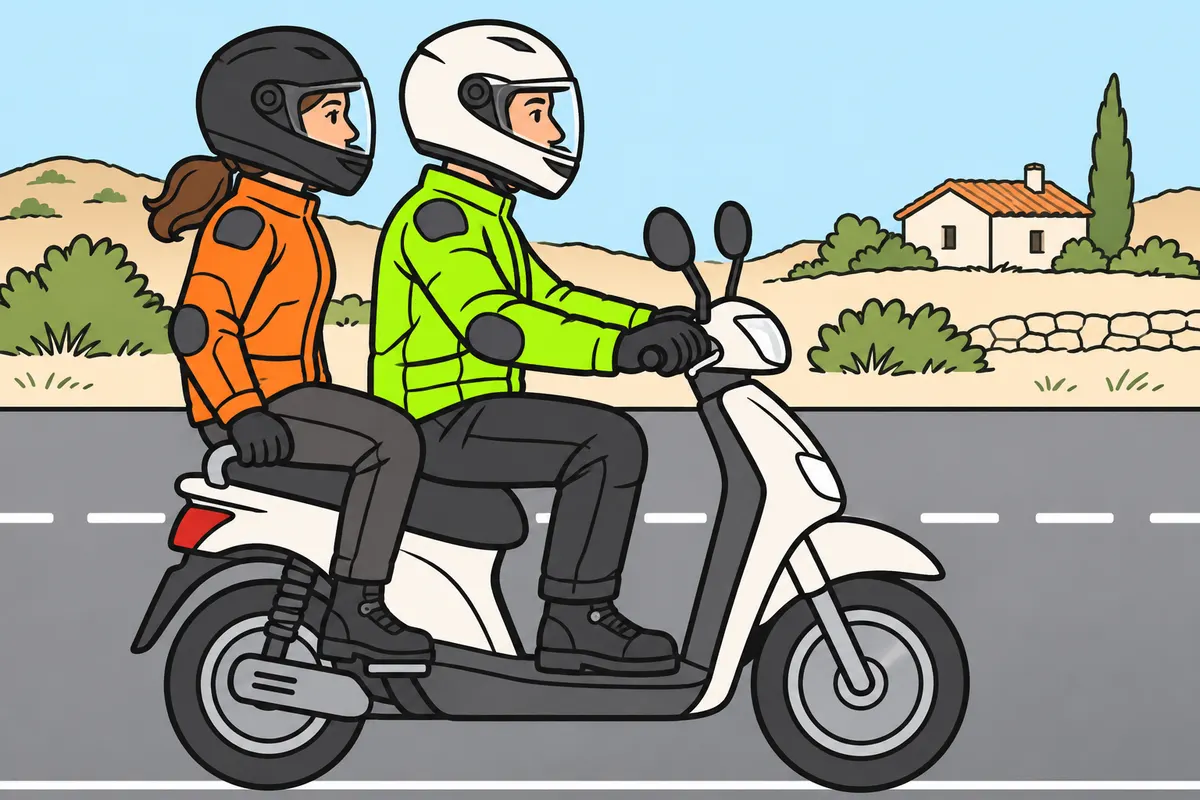 Module 6Protective equipment for moped ridersYou learn what protection you must wear when riding or travelling on a moped and how to choose, fit and maintain each item. You distinguish the requirements for helmets, gloves and footwear from recommendations on clothing, boots, visibility and airbags, including exemptions and the equipment for the AM practical test.30 minRead
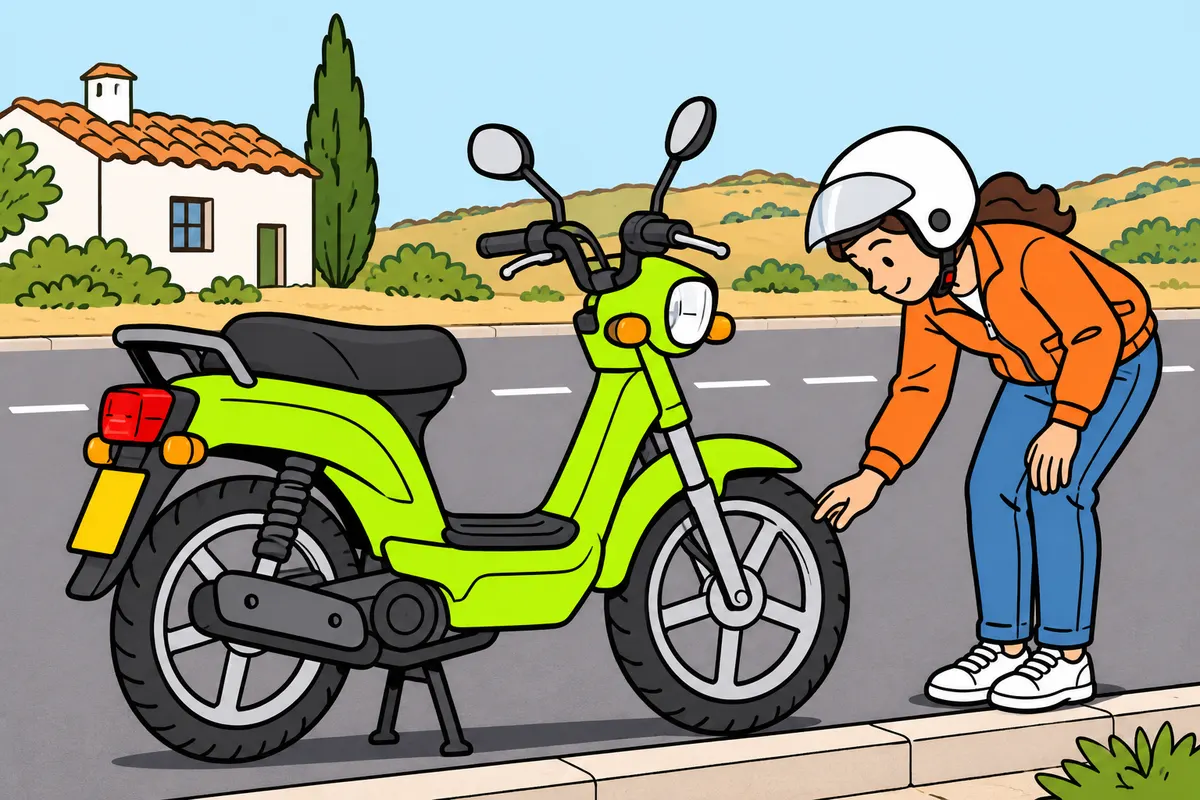 Module 7The moped and its equipmentYou learn to identify your moped or light quadricycle and its technical limits, recognise its registration plate, lights, mirrors and controls, and check its safety components. You can distinguish AM-specific rules from those for passenger cars and carry out maintenance in accordance with your obligations and the manufacturer’s recommendations.30 minRead
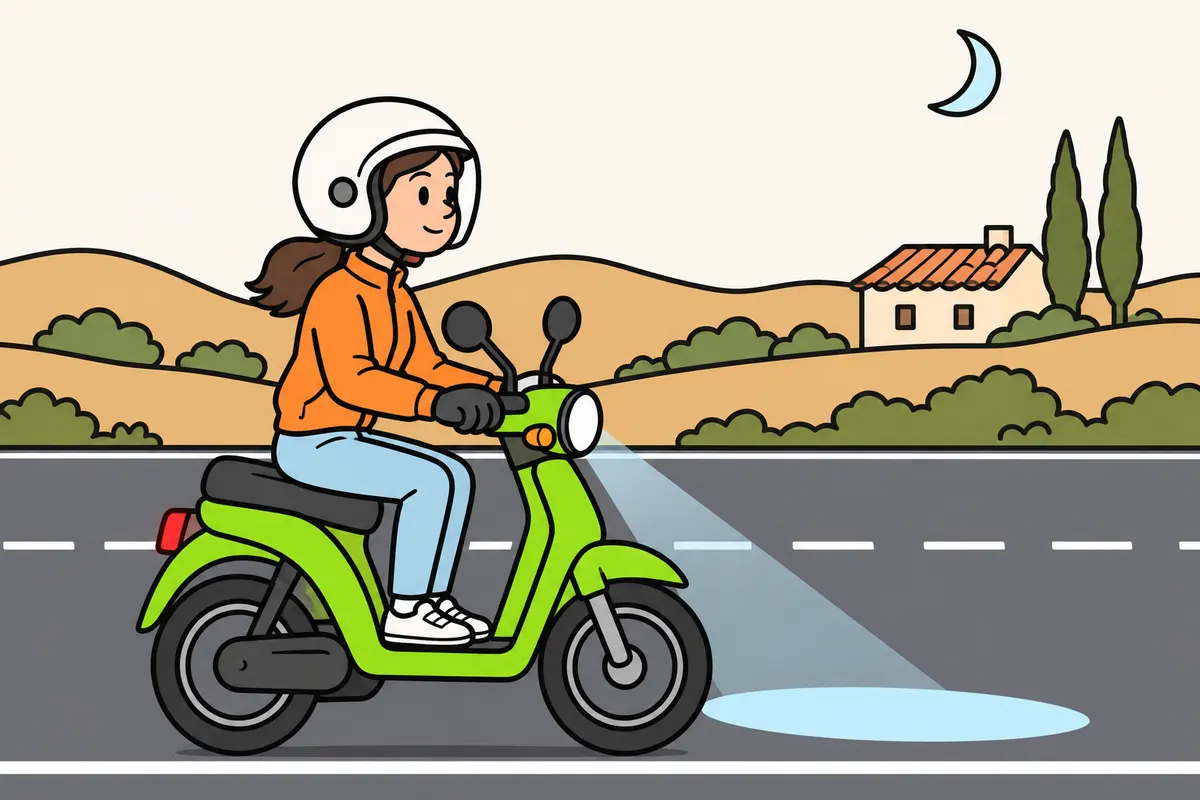 Module 8Moped lights and signalsYou learn to choose the lights on your moped or light quadricycle according to the light, visibility and situation, and to signal your manoeuvres without dazzling others. You distinguish AM equipment from that of a motorcycle or car, and recognise vehicle plates and signs to answer exam questions.27 minRead
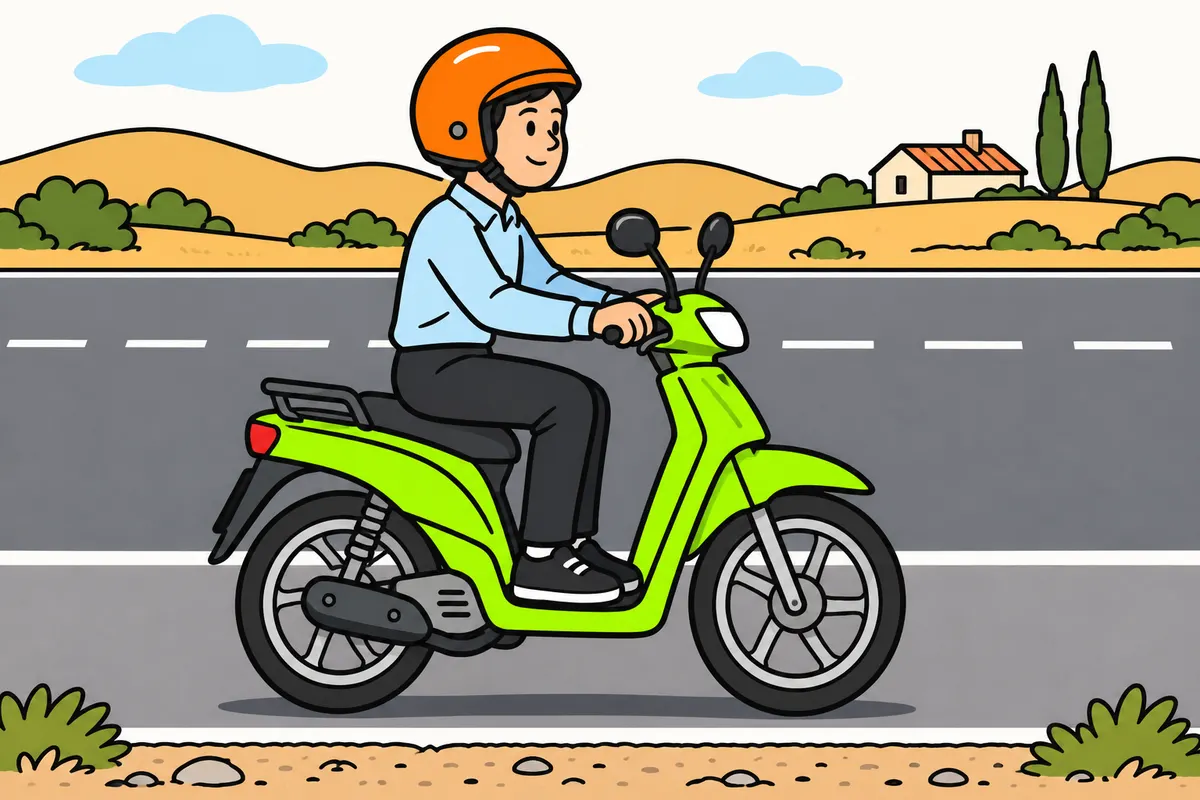 Module 9Using the road with a mopedYou learn how to choose where to ride a moped or drive a light quadricycle, when you must use the arcén (hard shoulder) and which roads and lanes you are prohibited from using. You can interpret markings, traffic directions and special lanes and answer questions about tunnels without applying passenger-car rules to your AM vehicle.38 minRead
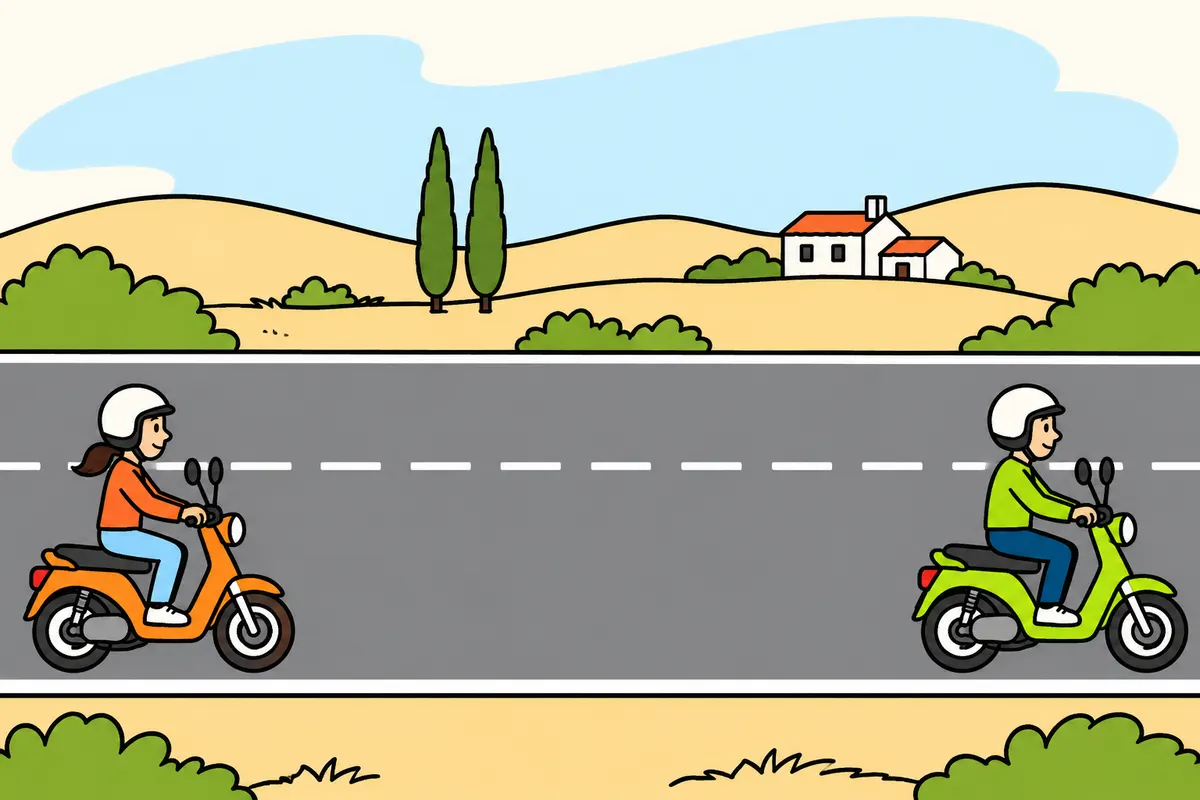 Module 10Speed and safe following distancesYou learn to apply the speed limits for mopeds and light quadricycles on each type of road, and to slow down when safety requires it. You understand reaction, braking and stopping distances, the separation between vehicles and the special rules for long vehicles and tunnels.32 minRead
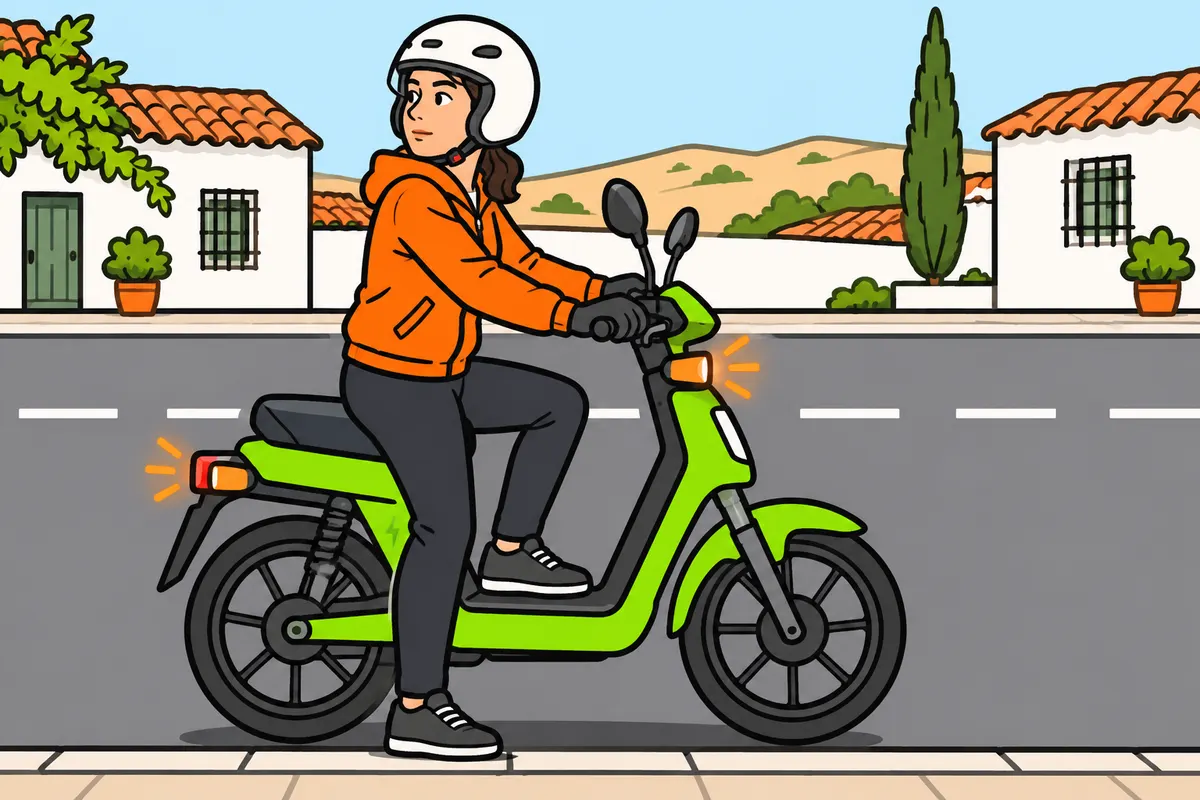 Module 11Moped manoeuvresYou learn to join traffic, move sideways, overtake, turn and bring your moped or light quadricycle to a standstill safely, using the correct signals. You master the road positions, prohibitions, exceptions and figures you need to distinguish in the AM exam, especially the rules specific to two-wheeled mopeds.38 minRead
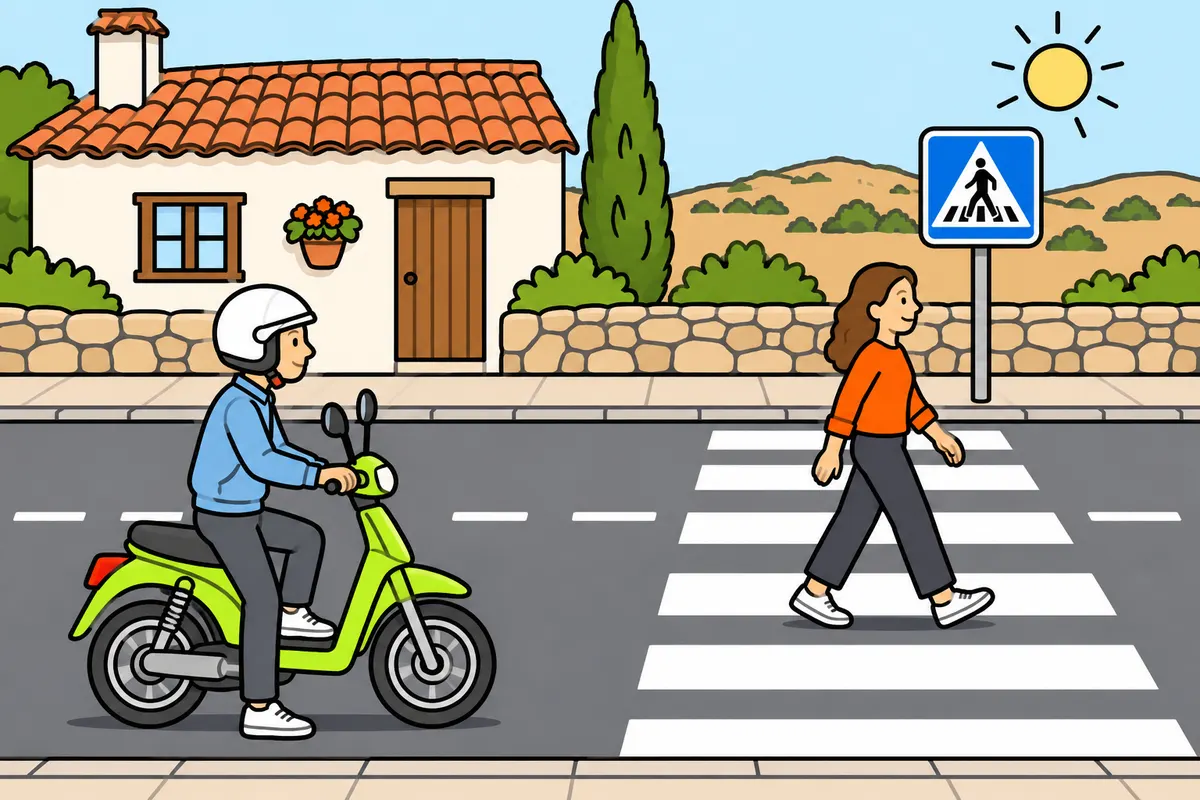 Module 12Right of wayYou learn to decide who goes first at junctions, roundabouts, narrow sections and railway crossings, and how to respond to emergency vehicles. You practise the exceptions most often confused in the AM exam and pedestrian and cyclist priority so that you can handle each situation safely.30 minRead
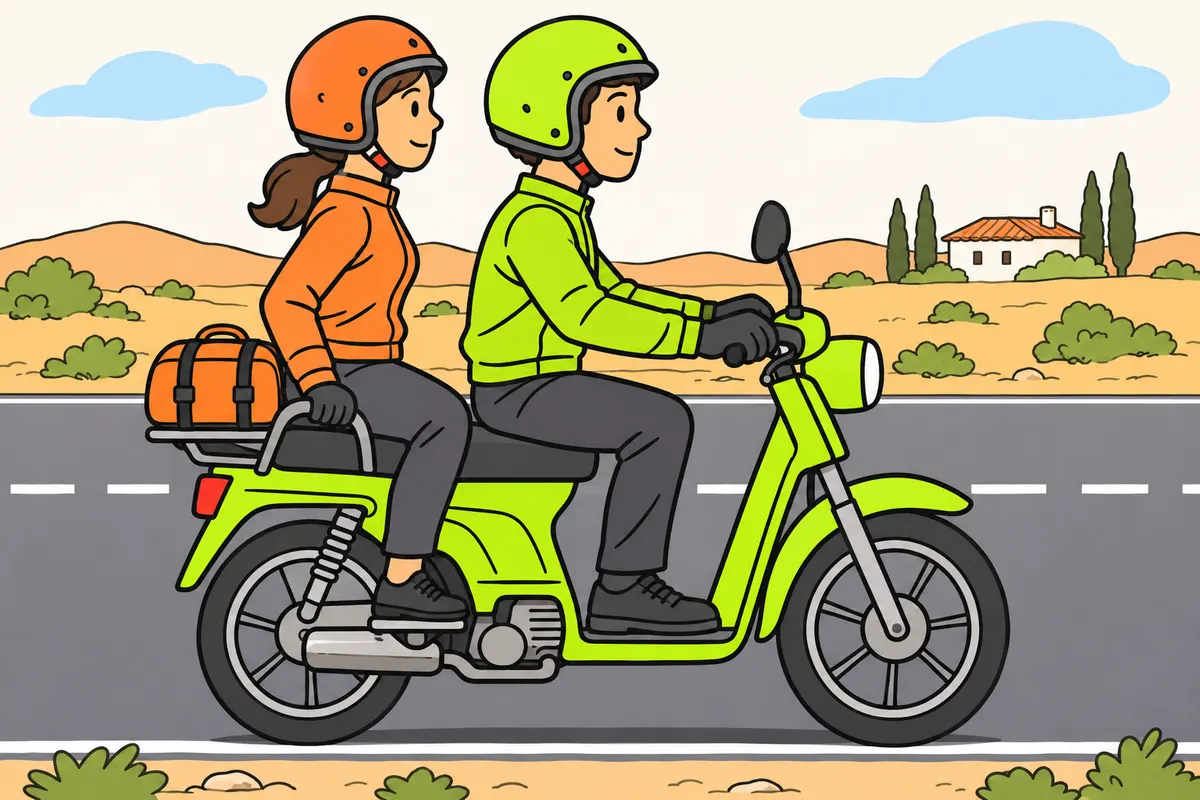 Module 13Passengers and loads on a mopedYou learn to check who can accompany you on your moped and how to carry luggage without compromising control. You answer questions about children, seats, masses, projections, the V-20 panel and trailers, distinguishing narrow mopeds from light quadricycles.20 minRead
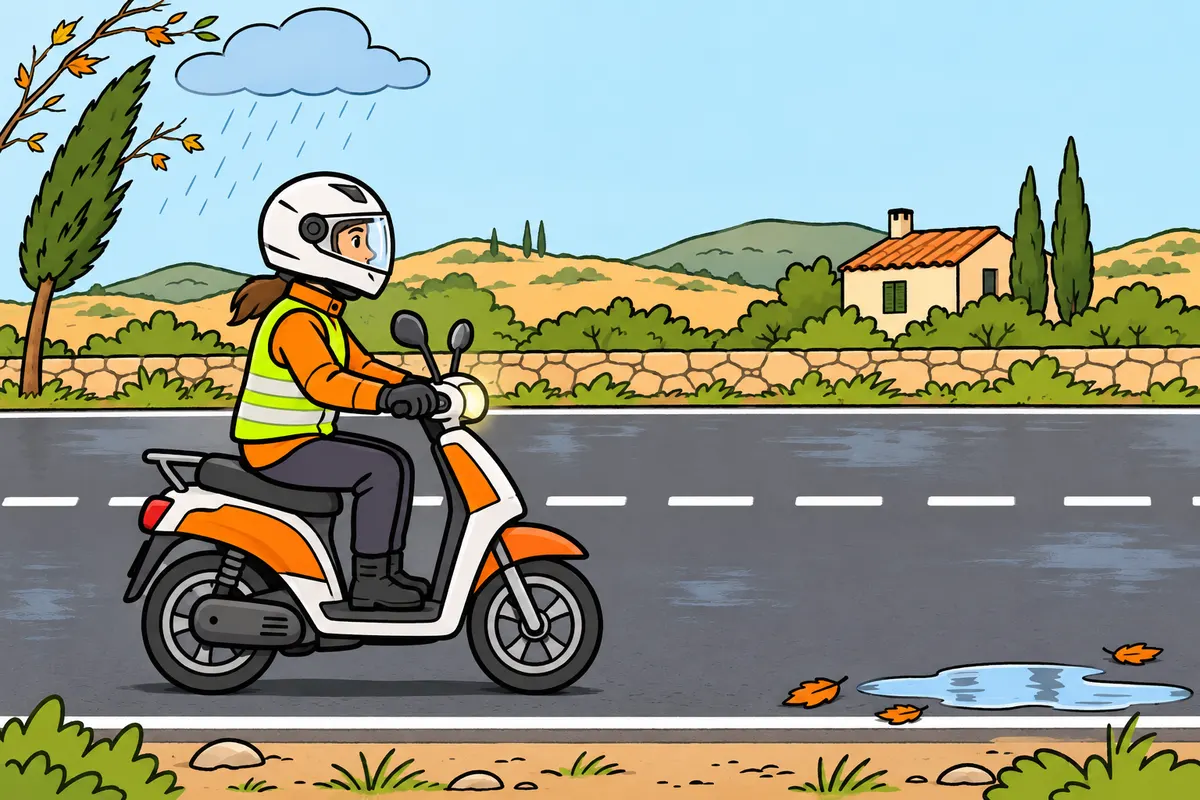 Module 14Risk factors when riding a mopedYou learn to recognise risks involving visibility, road surfaces, weather, speed, group riding, tunnels, other road users’ inexperience and fatigue on your moped or light quadricycle. You can choose measures to reduce each danger and distinguish legal obligations from safety advice in the exam.30 minRead
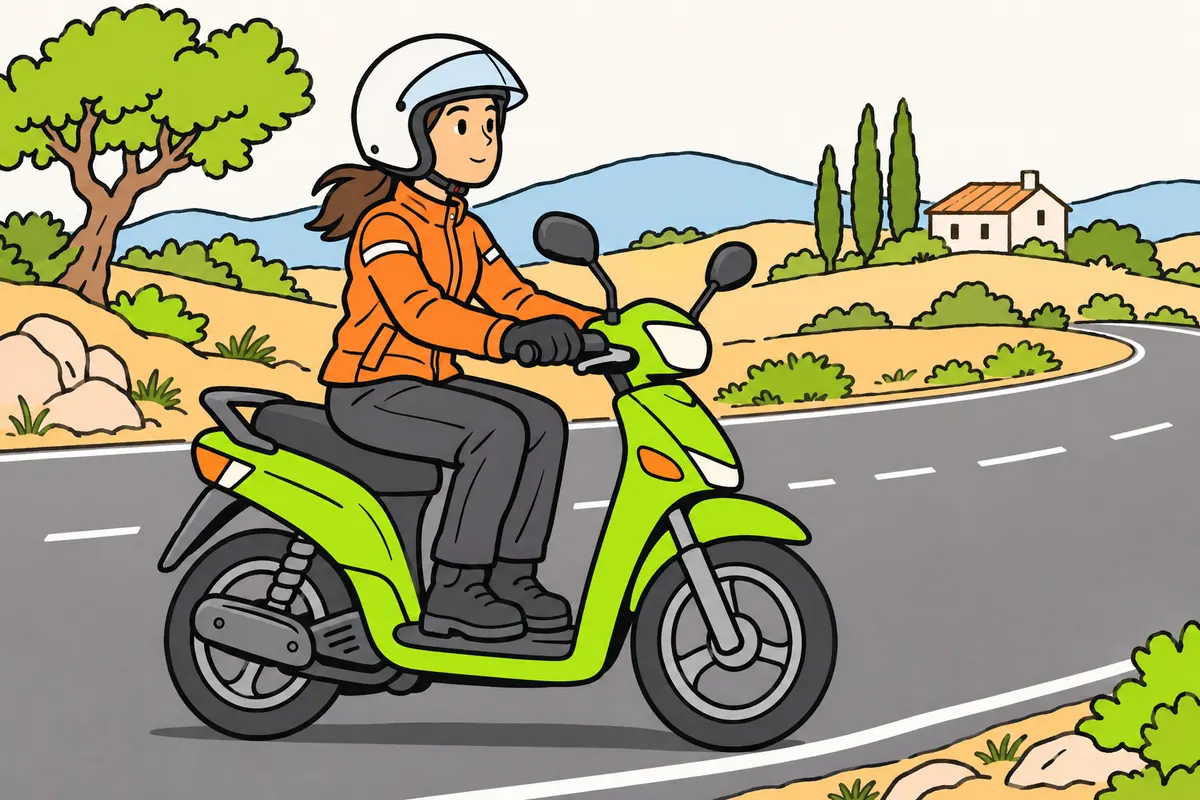 Module 15Moped riding techniquesYou learn how to position your body, operate the controls and coordinate moving off, braking, bends and slow manoeuvres on your moped. You learn to adapt your technique to a passenger, choose a lawful road position, assess overtaking and recognise the AM practical manoeuvres, including distinctions that may appear in the exam.35 minRead
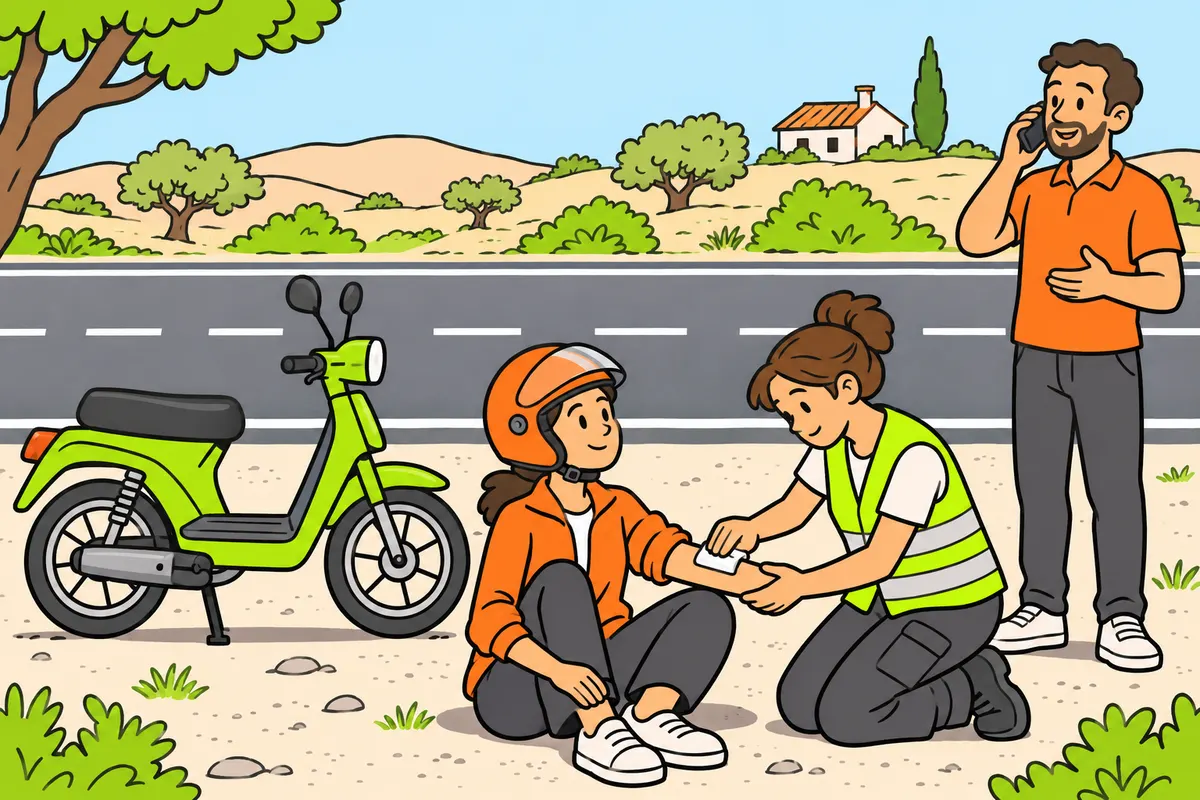 Module 16Accidents, breakdowns and first aidYou learn how to make the scene of a moped accident or breakdown safe, call 112 and provide help without making injuries worse. You distinguish the V-16, visibility and assistance obligations that apply to AM, and answer questions about helmets, breathing, bleeding, burns and tunnels.30 minRead
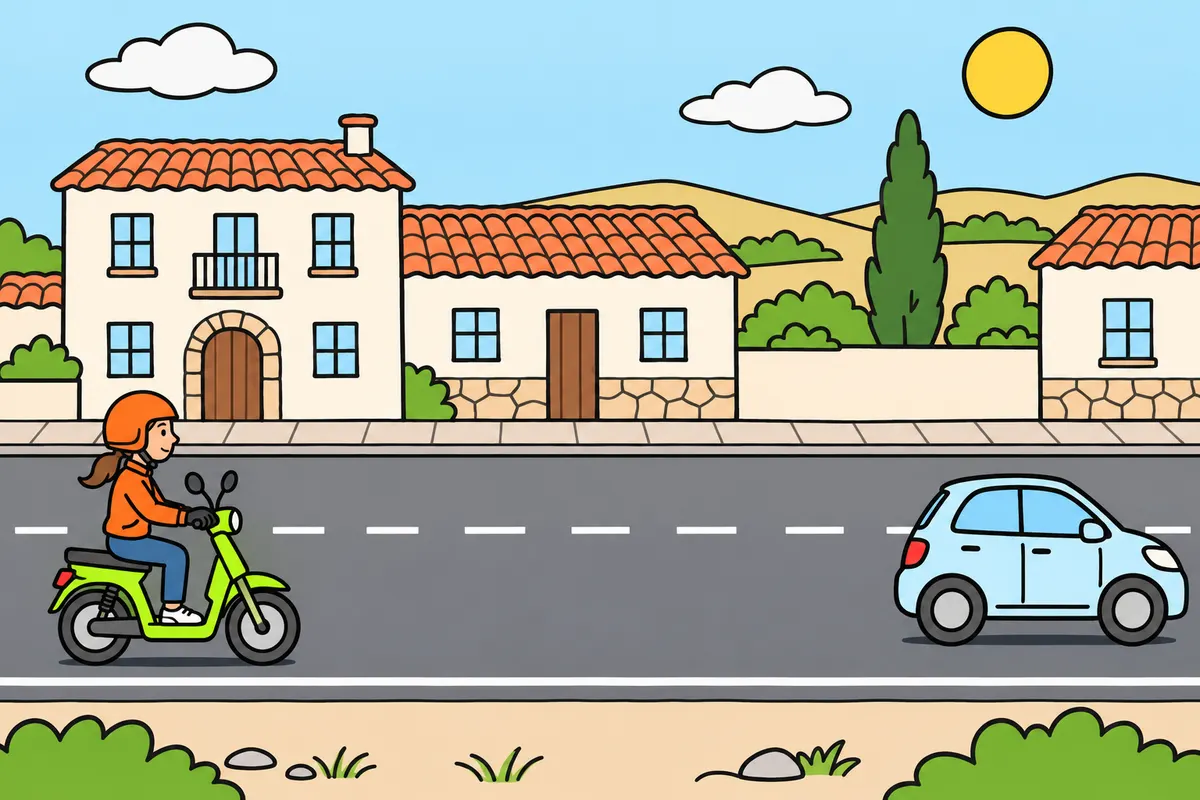 Module 17Defensive and efficient drivingYou learn to observe, anticipate mistakes and leave space to drive your moped or light quadricycle safely. You learn to reduce consumption, emissions and noise, use the transmission and tyre pressures correctly, and interpret environmental badges and ZBE (low-emission zone) restrictions. In the exam, you distinguish legal obligations from economy advice that depends on each vehicle.35 minRead
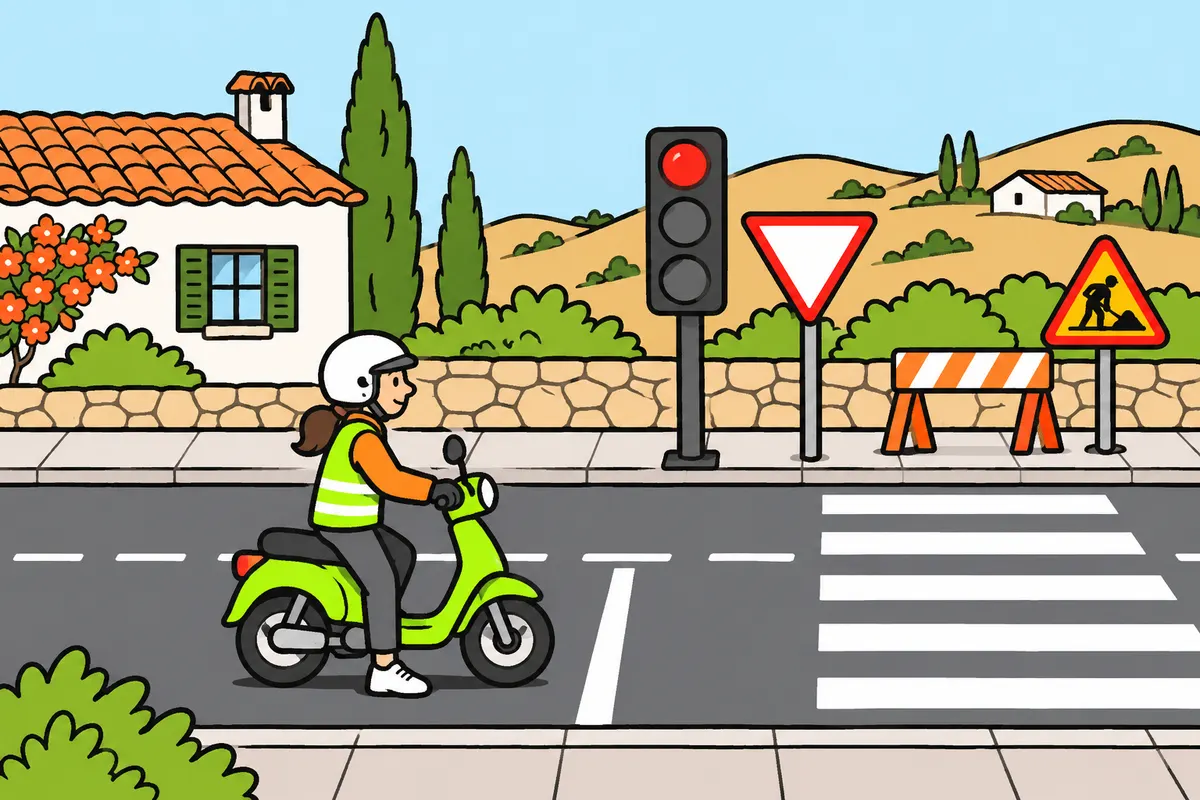 Module 18Traffic signs and their hierarchyYou learn to recognise traffic officers’ instructions, temporary signs, traffic lights, upright signs and road markings that regulate your moped or light quadricycle. You can resolve conflicts between them and distinguish the codes and messages in the official catalogue that matter most for the AM exam.45 minRead