Right of way
Day 5 is about right of way. Today you practise it exclusively: intersections, roundabouts with arrows, yield vs stop, pedestrians at marked crossings, and priority vehicles. Review mistake explanations before repeating the session.
Right of way: work through the situation first
Concentrate on who goes first in the situations presented. It covers priority vehicles and pedestrians at marked crossings, as well as intersections, yield and stop, and roundabouts showing arrows. Use each explanation to understand the situation you have just answered, rather than moving straight to another question when you are unsure why your choice was wrong.
Right of way is a fixed part of the plan for everyone. The session is not selected from your diagnostic answers. If that earlier practice revealed difficulty in another subject, you can choose some extra topic revision yourself. For today’s questions, review the priority explanations first and then return to the right of way test for further practice.
Before you begin or try again
- Read the explanation for every missed answer and check which part of your reasoning needs another look before moving on.
- Take your time over the wording and the answer choices; give yourself room to understand the question before answering.
- Only repeat the session after reviewing your mistakes, returning to the explanations whenever a point still feels unclear to you.
After reviewing this session
What the syllabus says about right of way
According to the traffic rules lesson, the general priority-to-the-right rule gives way to signs, traffic lights, officers, roundabouts, regulated crossings and special cases. At an unregulated junction, apply the exceptions first: a vehicle on a paved road has priority over one arriving from an unpaved road, and whoever enters a roundabout yields to traffic already in it.
The method it proposes is ordered: find the signalling first, then look at each vehicle's path and position, and check for any vulnerable road user. Remember two nuances. Yielding does not always mean stopping, but it does mean not forcing the other driver to brake hard. And having priority does not remove the duty of care towards pedestrians and cyclists. An indicator, for its part, gives you no priority.
Two errors recur on this topic. One is confusing the general priority-to-the-right rule with roundabout priority, which belongs to whoever is already in the roundabout. The other is applying the right-hand rule at a level crossing or when joining a motorway, where the specific rule for that road prevails.
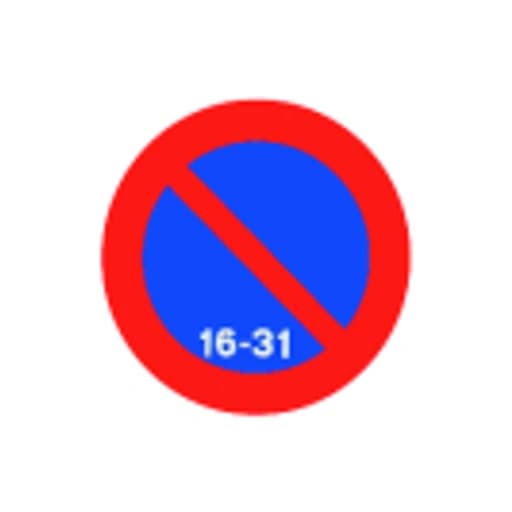
This sign prohibits...