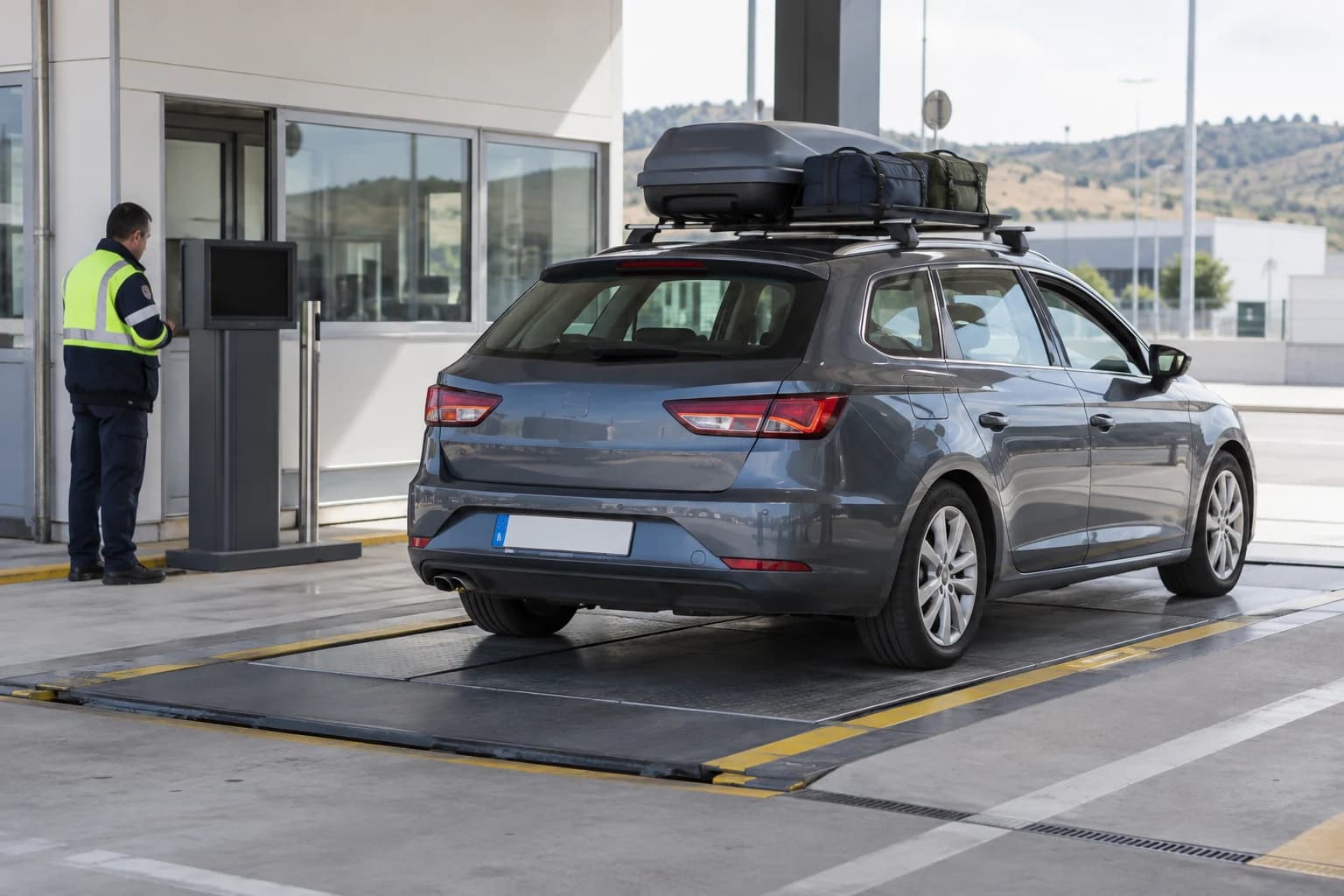
Correct answer
No.
No. The total mass of the vehicle in use, including the vehicle itself, people and load, must not exceed its authorised maximum mass. Applicable technical and axle limits also apply; carrying no passengers does not permit exceeding that mass.
Practice more B licence questions
A 3-minute quick test with exam-style questions. Free, no signup.
All options
Only if no passengers are carried, apart from the driver.
No.
Yes.
Editorial status: editorially approved. This status does not certify legal review. Report a correction
Share this question
Keep studying
Related questions
- Is it permitted for a car's load to protrude from the sides?
- Does the distribution of the load in a vehicle affect fuel consumption?
- A motorcycle is authorised to carry a passenger. An eight-year-old wears an approved helmet, sits astride the passenger seat behind the rider and rests both feet on the footrests. May an adult authorised by the child’s parent or guardian carry them?
- By day in normal visibility, a car carries a rear-projecting load that does not span the full rear width. Must the driver mark it?
- When carrying luggage on a motorcycle, in addition to respecting authorised mass and dimensions, how should it be positioned and secured?
- A well-designed and maintained independent suspension can improve...