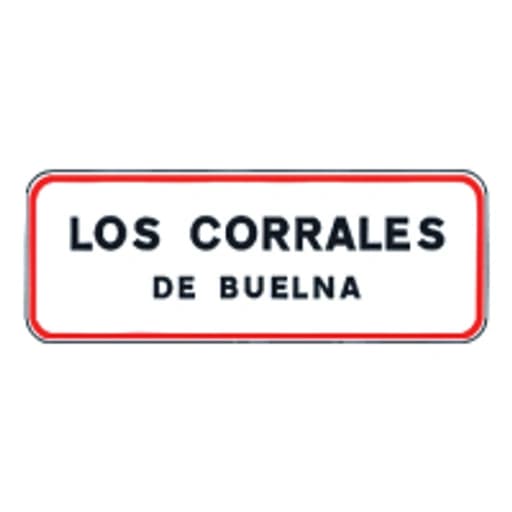
Correct answer
The town’s name and the start of built-up-area traffic rules.
S-500 identifies the town and the point from which built-up-area traffic rules apply. This image contains no speed figure: it does not by itself impose a single limit on every street. Limits depend on road type and signs. If an S-500 includes a speed, it applies to that road from that point; other roads in the town may have different limits.
Practice more B licence questions
A 3-minute quick test with exam-style questions. Free, no signup.
All options
The end of the built-up area and its traffic rules.
The town’s name and the start of built-up-area traffic rules.
A single unchanging maximum speed for every street.
Editorial status: editorially approved. This status does not certify legal review. Report a correction
Keep studying
DGT test in English: free practice
Exam-style questions in English, no signup. You can also sit the official exam in English.
All Spanish traffic signs and their meanings
Full DGT catalogue: warning, regulatory and information signs.
Sign S-500: entry into a built-up area
What this sign means, its category and its shape.
Related questions
- If initial speed increases while other conditions remain comparable, braking distance…
- At a properly signposted junction where you have no priority and visibility is practically zero, how must you adapt speed?
- A lane sign shows the number 70 in blue circles with white numerals above two lanes. What speed do those circles indicate for those lanes?
- If you are forced to drive with a temporary-use or emergency spare wheel, you must bear in mind...
- Once an overtake has begun, a danger arises for the vehicle being overtaken. If the overtaking driver is not abandoning the manoeuvre, must the overtaken driver reduce speed?
- What does this sign indicate?