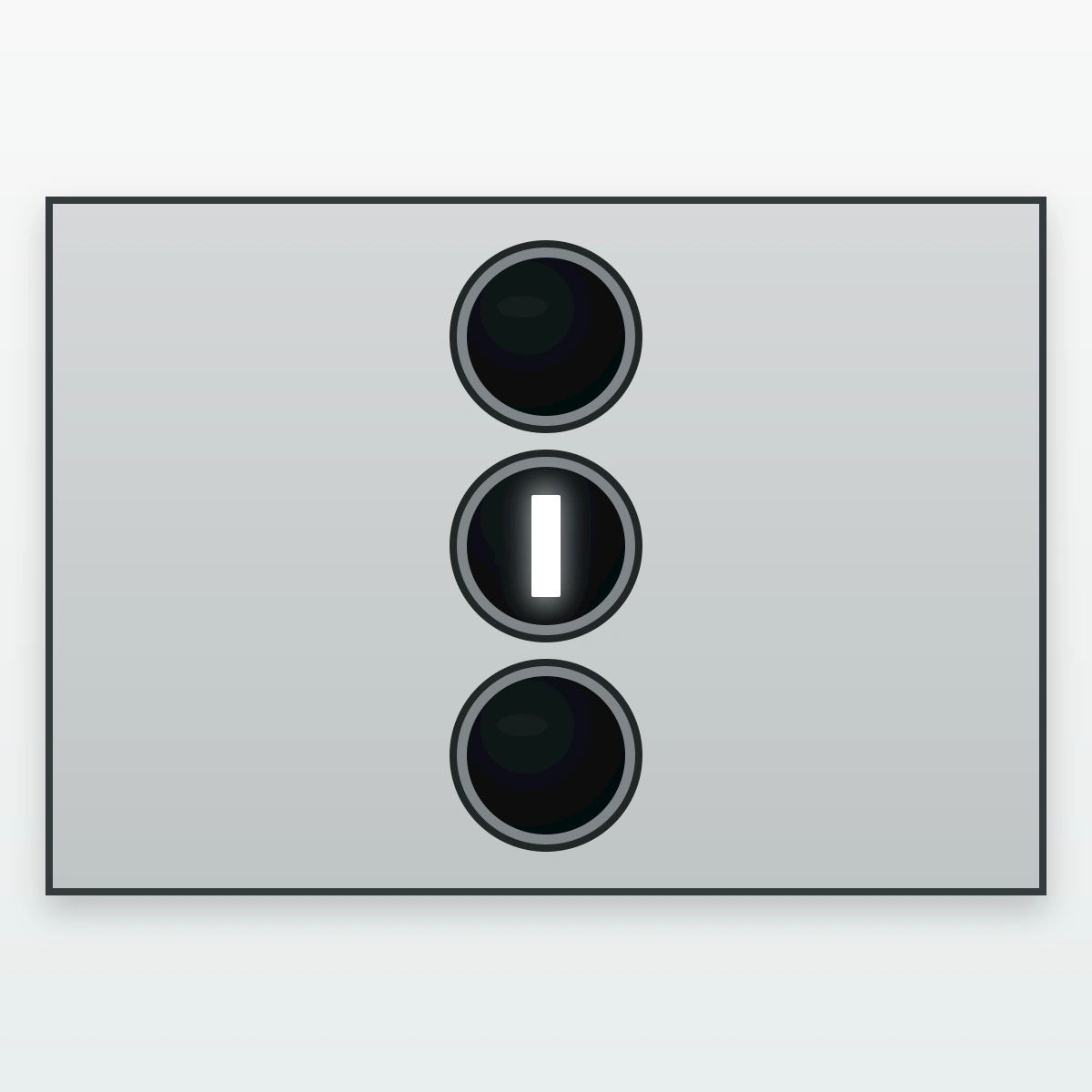
Correct answer
Vehicles travelling in that reserved lane.
Where a lane is reserved for buses or for buses, taxis and other vehicles, these signals apply only to vehicles travelling in that lane. A bus in a separate ordinary lane is not covered simply because it is a bus. Without such a reserved lane, they apply to trams and regular-service buses. A steady vertical bar permits straight-ahead travel; a flashing vertical or oblique bar requires stopping as for a steady amber light.
Practice more D licence questions
A self-check with exam-style questions on Traffic signs. Free, no signup.
All options
Vehicles travelling in that reserved lane.
Every bus on the road, including those travelling in separate ordinary lanes.
Only trams, never buses in that lane.
Editorial status: editorially approved. This status does not certify legal review. Report a correction
Keep studying
Glossary terms in this question
Related questions
- Outside a built-up area, on a dual carriageway with three ordinary lanes in your direction and no exceptional signs, you drive a 10-metre bus towing a light trailer. May you use the furthest-left lane?
- For a 22,000 kg maximum-authorised-mass articulated bus not intending to overtake, in which situation do the regulations require at least 150 metres clearance or a minimum six-second interval?
- Outside a built-up area, on a road with one lane in each direction, a bus intends to overtake a moped. May it leave less than 1.50 m lateral clearance?
- If, for emergency reasons, you are obliged to drive your bus along a dual carriageway at an abnormally reduced speed, what must you do?
- If you are driving a bus and are involved in an accident, and other people involved request your identification, are you obliged to provide it?
- If a traffic officer is directing traffic while you drive a D1 or D bus, you must: